Propagation
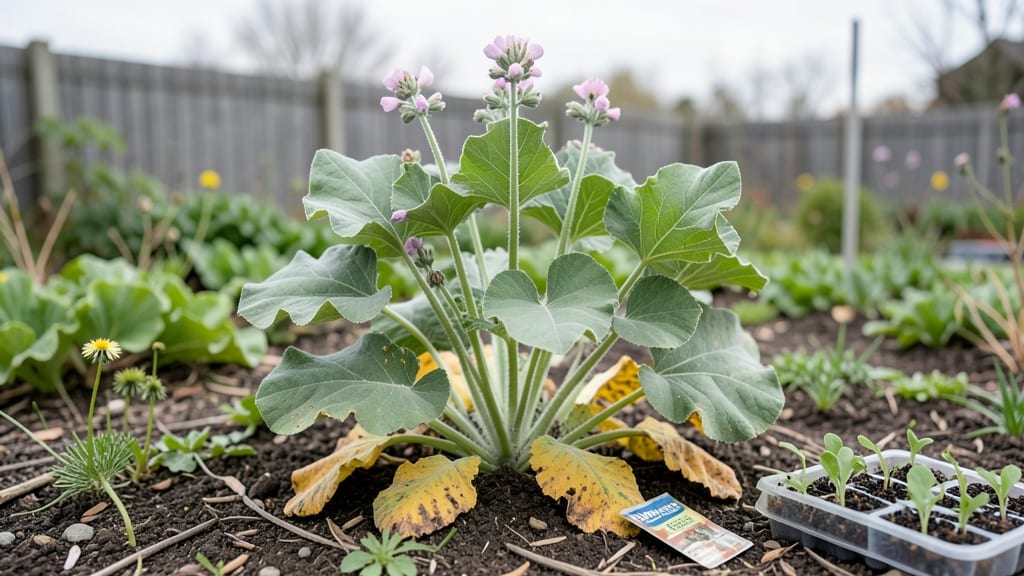
Growing Althaea officinalis from seeds unlocks a plant with velvety leaves and medicinal magic—if you crack the germination code first. 🌱 I’ve struggled with these stubborn seeds until I discovered the trick: soaking them overnight in lukewarm water before planting.
Without this step, they’ll sit there like sleepy puppies, refusing to sprout.
The secret to success lies in patience and the right conditions: a warm spot (70–75°F), moist but not soggy soil, and indirect light until the first true leaves appear. Most beginners rush the process, but these seeds need time—sometimes up to three weeks—before breaking through the surface.
Once they do, you’ll have sturdy seedlings ready for transplanting in just 4–6 weeks.
By summer, you’ll be harvesting leaves for teas or admiring the plant’s silvery foliage, which thrives in well-draining soil and partial shade. The stems grow surprisingly fast—up to 2 feet in a season—if you keep the soil consistently moist but not waterlogged.
The real payoff? A hardy perennial that comes back year after year with minimal fuss.
Fair warning: Overwatering is the #1 killer of young Althaea officinalis. These plants prefer their roots damp but not drowning, so a 5-gallon container with drainage holes works wonders if your soil drains poorly.
Once established, they’re nearly indestructible—just don’t expect instant results. Think of it as growing a slow-burning garden treasure.
📚 In This Guide
- What you need
- Instructions
- Tips and common mistakes
- Wrapping up and next steps
What you need
- ● Althea officinalis seeds – 10–20 seeds (fresh or stored properly for best results).
- ● Seed-starting mix – 1–2 gallons of sterile, well-draining potting soil (or a mix of 50% peat moss + 50% perlite).
- ● Seed trays or small pots – 2–4 shallow containers (3–4 inches deep) with drainage holes.
- ● Spray bottle – For gentle watering (avoid over-saturating the soil!).
- ● Plastic wrap or humidity dome – To create a mini greenhouse effect.
- ● Grow lights or sunny windowsill – A bright spot with indirect light (6+ hours/day).
- ○ Heating mat (70–75°F) – Speeds up germination (optional but highly recommended for slow germinators).
- ● pH meter – Ideal soil pH: 6.0–7.0 (marshmallow prefers slightly acidic to neutral).
- ● Fertilizer (diluted) – A balanced 10-10-10 or seaweed-based fertilizer for post-germination care.
- ● Twine or labels – To mark trays and track seedling progress.
Step-by-step instructions for germinating Althea officinalis seeds
Here's the method I've perfected to coax these stubborn seeds into strong, leafy growth in just weeks.
🌱 Step 1: Pre-Treat Seeds for Faster Germination
Althea officinalis seeds have tough outer coats that resist water absorption. To break dormancy, soak them in lukewarm water for 48 hours, changing the water every 12 hours. This softens the seed coat and jumpstarts germination. Place them in a small jar with a loose lid and set it in a warm spot—you'll see tiny cracks appear within 24-36 hours.
Don't skip this step. Skipping the soak means waiting 4-6 weeks for germination instead of 7-14 days. Once the seeds look slightly swollen and the outer shell splits, they're ready to plant. Drain them well before moving to soil.
💧 Step 2: Plant in Light, Well-Draining Soil Mix
Fill 4-inch diameter pots with a blend of 50% peat-based seed-starting mix and 50% perlite—this ensures excellent drainage, which Althea officinalis seedlings crave. Press the soil down lightly to create a firm surface, then plant the pre-treated seeds ¼ inch deep, spacing them 1 inch apart.
Cover the pots with clear plastic wrap to retain humidity and warmth. Place them in a spot with indirect light—direct sun at this stage will scorch the delicate seedlings. Keep the soil consistently moist but never soggy; water from the bottom by placing pots in a shallow tray of water for 10 minutes every 2-3 days.
☀️ Step 3: Provide Gradual Light Exposure
Once seedlings emerge (usually 7-14 days after planting), remove the plastic wrap immediately to prevent fungal growth. Move them to a location with bright, indirect light for the first 7 days. You'll notice the seedlings stretch toward any light source—this is normal, but too much direct sun causes yellowing.
After 7 days, gradually introduce 2-3 hours of morning sun daily, increasing by 1 hour every 2 days until they tolerate 6 hours of filtered sunlight. Avoid harsh afternoon rays until they're 4-6 inches tall. Strong seedlings will have deep green leaves and thick stems—anything leggy needs more light.
✂️ Step 4: Thin and Transplant for Stronger Growth
When seedlings reach 2-3 inches tall and show 2-3 sets of true leaves, thin the weakest seedlings, leaving only the strongest 1 plant per pot. Use clean scissors to snip at soil level rather than pulling to avoid disturbing roots. This reduces competition and encourages robust stem development.
After thinning, transplant the remaining seedlings into 6-inch pots with fresh potting mix. Handle the roots gently—Althea officinalis is sensitive to root disturbance. Water thoroughly after transplanting and place in partial shade for 3-5 days to help them recover.
🌿 Step 5: Maintain Ideal Conditions for Rapid Growth
Keep the soil consistently moist but well-drained, watering when the top ½ inch feels dry. Althea officinalis thrives in 60-70°F temperatures and 50-60% humidity. If your home runs drier, mist the leaves lightly in the morning to simulate a humid environment.
Fertilize lightly with a balanced liquid fertilizer (10-10-10) diluted to ¼ strength every 4 weeks once seedlings are established. You'll see vigorous new growth within 2-3 weeks of consistent care. Avoid over-fertilizing—this causes weak, floppy stems that can't support the plant's weight.
Tips & tricks for germinating Althea officinalis seeds
Here's what I've learned after years of coaxing these finicky seeds into thriving plants—these tricks cut germination time in half and build stronger stems from the start.
The Soak Secret: That 48-hour soak in lukewarm water isn't just about softening the seed coat—it's also a hydration test. If your seeds float after 24 hours, they're likely non-viable. Discard those immediately and focus on the ones that sink. The 12-hour water changes prevent bacterial growth in the stagnant water, which can rot seeds before they even sprout. I keep the jar in my seedling heat mat at 70°F for maximum efficiency.
Soil Science: The 50/50 peat-perlite mix isn't just about drainage—it's about creating an oxygen-rich environment. Pack the soil too tightly and you'll suffocate those delicate roots. Press just enough to create a firm surface, then use your finger to make small holes for planting. The ¼-inch depth is critical: too shallow and seeds dry out; too deep and they struggle to push through. I like to use a pencil to make planting holes for consistent depth.
Light Transition Strategy: That gradual light introduction in Step 3 is where most people go wrong. The first 7 days of indirect light help seedlings develop sturdy stems before they encounter direct sunlight. I use a grow light on a timer for 12 hours daily during this phase. When increasing sunlight, I only add 1 hour every 2 days—rushing this step causes those telltale leggy seedlings that collapse under their own weight. Watch for leaves that cup upward rather than stretch toward light.
Transplanting Wisdom: The 3-5 days of partial shade after transplanting is non-negotiable. Althea officinalis seedlings go into shock when moved, and direct light during recovery stresses them further. I cover my newly transplanted pots with a sheer curtain for the first 48 hours, then gradually remove it over the remaining days. The key is to maintain that 60-70°F range—any cooler and growth stalls; any hotter and roots burn.
Pro Tips for Althea Officinalis Seeds
- Here's what I've learned after years of coaxing these finicky seeds into thriving plants—these tricks cut germination time in half and build stronger stems from the start.
- The Soak Secret: That 48-hour soak in lukewarm water isn't just about softening the seed coat—it's also a hydration test.
- Soil Science: The 50/50 peat-perlite mix isn't just about drainage—it's about creating an oxygen-rich environment.
Frequently asked questions
How long do Althaea officinalis seeds take to germinate?
Patience is key! These seeds typically sprout in 2–4 weeks under ideal conditions (warmth, moisture, and indirect light). If you’ve waited longer, gently check for rot—sometimes they need a little coaxing. Pro tip: Soak seeds overnight before planting to speed things up!
Can I grow Althaea officinalis indoors year-round?
Start seeds indoors 8–10 weeks before your last frost for a head start. Use a sunny windowsill or grow lights (12+ hours/day) to mimic spring conditions. Just ensure pots have drainage—these plants hate soggy roots. Move outdoors after hardening off (acclimate gradually to avoid shock).
What if my seeds won’t sprout? Troubleshooting tips?
Try these fixes if germination stalls:
- Check moisture: Keep soil consistently damp (not waterlogged). Mist lightly daily.
- Test temperature: Ideal range is 65–75°F (18–24°C). A heat mat helps if your home runs cool.
- Scratch the seed coat: Use fine sandpaper to nick the shell—this mimics natural wear and boosts water absorption.
- Hibiscus syriacus (Rose of Sharon): Hardy, fast-growing, and drought-tolerant.
- Lavatera trimestris (Tree Mallow): Similar foliage with showy flowers; thrives in heat.
- Malva sylvestris (Common Mallow): Edible leaves and easy germination (great for beginners!).
Fresh seeds? Althaea officinalis seeds lose viability quickly. Store-bought seeds are best; avoid “heirloom” claims unless sourced recently.
Still no luck? They may need stratification (cold treatment)—try refrigerating moist seeds for 4–6 weeks before replanting.Are there alternatives to Althaea officinalis seeds for similar stems?
If you love the Althaea look but want options, try:
When’s the best time to transplant seedlings outdoors?
Wait until nighttime temps stay above 50°F (10°C) and all frost risk has passed. Harden off seedlings 1–2 weeks beforehand by gradually exposing them to outdoor conditions (start with 1 hour/day, then increase). Plant in full sun to partial shade with well-draining soil—Althaea officinalis rewards patience with 3–5 foot stems in just a few months!
Wrapping up and next steps
Althea officinalis seeds may seem finicky, but with the right patience and technique, you’ll unlock lush, resilient stems in just weeks! 🌱 The key lies in stratification, moisture control, and warmth—simple steps that turn tiny seeds into thriving plants.
Whether you’re a seasoned gardener or a curious beginner, this method makes propagation feel like a breeze.
Ready to grow your green thumb? Start by gathering your supplies, then dive in—your garden (and future blooms) will thank you! Review the checklist one last time, and let the magic of Althea officinalis unfold.