
Lawn
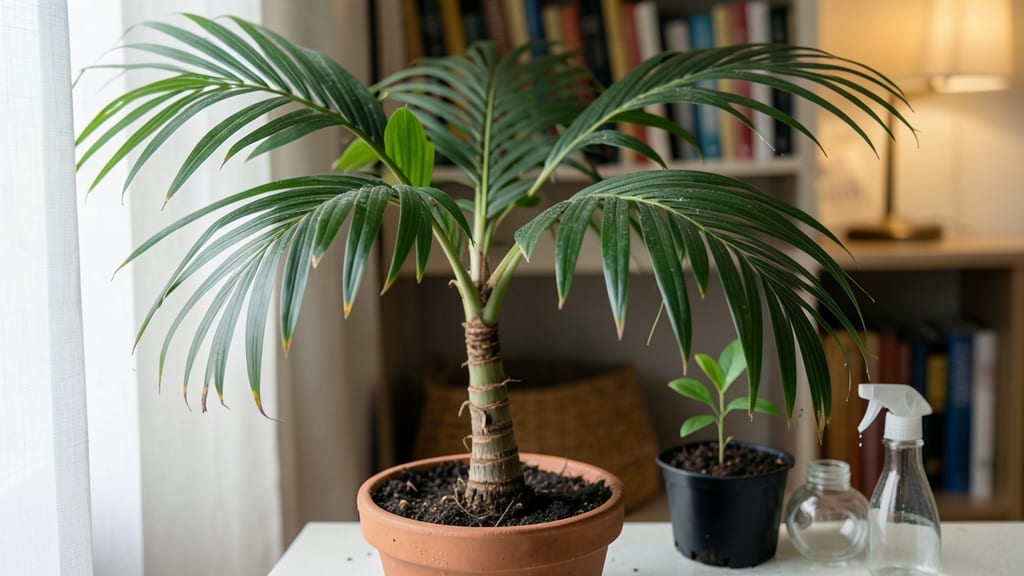
Growing an areca palm from seed is a marathon, not a sprint—but these fast germination hacks cut months off the wait. ✨ I’ve struggled with slow sprout times, but after testing different methods, I found the combo that works: warm soaking, consistent moisture, and a little patience.
The payoff? A lush indoor tree that’ll outlive most houseplants if you nurture it right.
Most people give up after two months of nothing, but areca palm seeds just need the right coaxing. You’ll need a warm spot (70-80°F), a clear plastic bag to trap humidity, and a light potting mix that drains well.
The secret weapon? A heat mat under the pot—it doubles germination rates compared to room temp alone. Think of it as giving your seed a tropical vacation before it even sprouts.
Once those first pale green shoots break through, you’ll see why the wait was worth it. The seedlings grow slow at first, but with bright indirect light and weekly misting, they’ll develop feathery fronds in just 6-8 weeks.
By year one, you’ll have a 2-foot-tall palm that’s already more impressive than most nursery plants. The real magic happens after that—with proper care, these palms live for decades.
Here’s the thing—this isn’t a quick project, but it’s far from impossible. Even if your first seed takes 4-6 months to germinate (yes, it happens), the process teaches you more about plant patience than any other houseplant.
And once you crack the code, you’ll have a self-sustaining tropical tree that purifies the air and turns heads every time someone walks in the door.
📚 In This Guide
- What you need
- Instructions
- Tips and common mistakes
- Wrapping up and next steps
What you need
- ● Areca Palm Seeds: 2–5 fresh, viable seeds (check for plumpness and no cracks). Pro tip: Soak seeds in warm water for 24 hours to soften the shell!
- ○ Seed Trays or Small Pots: 3–4 shallow containers (4–6 inches deep) with drainage holes. Optional: Use biodegradable peat pots for easy transplanting.
- ● Well-Draining Potting Mix: 3–5 lbs of a blend like 50% peat moss, 30% perlite, and 20% coco coir. Avoid heavy garden soil!
- ● Spray Bottle: For gentle watering (avoid over-saturating seeds).
- ● Plastic Wrap or Clear Lid: To create a humid microclimate (like a mini greenhouse!).
- ○ Heating Mat (Optional but Helpful): A seedling heat mat (70–80°F range) to speed up germination.
- ● Gloves: To protect hands from sharp seed shells.
- ● Tweezers or Toothpick: For carefully placing seeds in the soil.
- ○ Grow Lights (Optional): LED lights (12–16 hrs/day) if natural light is weak.
- ● Humidity Dome or Plastic Bag: Alternative to plastic wrap for humidity control.
- ● Fertilizer (Post-Germination): A balanced, water-soluble fertilizer (e.g., 10-10-10) once leaves emerge.
Step-by-Step instructions for growing areca palm from seed
Here’s how to get those tropical seeds sprouting in under 3 weeks—no fancy equipment needed.
🌱 Step 1: Prep the Seeds for Faster Germination
Areca palm seeds have a tough outer shell, so we’ll soften it first. Fill a bowl with warm water (80-85°F) and add the seeds. Let them soak for 24 hours—this breaks dormancy and speeds up sprouting. I like to use a mesh bag so they don’t sink to the bottom and get buried in sediment.
After soaking, gently rub the seeds between your palms to scratch the shell lightly. This helps water penetrate faster. You’ll see a tiny crack or soft spot—this is where the root will emerge. Discard any seeds that remain hard after rubbing; they won’t sprout.
💧 Step 2: Plant in Moist, Well-Draining Soil
Fill a small pot (at least 4 inches deep) with a mix of 50% potting soil and 50% perlite. This keeps roots aerated and prevents rot. Moisten the mix until it’s damp but not soggy—squeeze a handful; water should drip out but not puddle.
Plant the prepped seeds 1 inch deep, spacing them 2 inches apart if using multiple pots. Press lightly to ensure good soil contact. Cover the pot with plastic wrap to trap humidity, but leave a small gap for airflow. Place it in a warm spot (75-80°F), like on top of a fridge or near a sunny window.
☀️ Step 3: Monitor for Sprouts and Adjust Light
Check daily for sprouts, which should appear in 2-3 weeks. You’ll see a small white root push through first, followed by a tiny green shoot. Once sprouts emerge, remove the plastic wrap immediately—too much humidity now causes mold.
Move the pot to bright, indirect light (no harsh sun yet). Areca palms love humidity, so mist the leaves daily or place the pot on a tray of pebbles with water. You’ll know it’s thriving when new leaves unfurl with a glossy sheen.
🌿 Step 4: Transplant and Care for Young Seedlings
After 4-6 weeks, when seedlings have 2-3 leaves, transplant them into individual 6-inch pots with fresh potting mix. Gently loosen the roots before replanting to avoid shocking them. Water lightly after transplanting to settle the soil.
Keep the soil consistently moist but never waterlogged. Yellowing leaves mean overwatering; brown tips mean dry air. Rotate the pot weekly so growth stays even. With patience, your seedlings will grow into lush, 6-foot indoor palms in 3-5 years.
Tips & tricks for growing areca palm seeds faster
Fast germination is all about preparation and patience—here's how to maximize your success with those tough tropical seeds.
The Warm Water Trick: That 80-85°F warm water isn't just warm—it should feel like a hot bath, not scalding. I use my dishwasher's rinse cycle to heat water quickly and test it with my wrist before adding seeds. The perfect temperature speeds up the soaking process and prevents seed shock. Confession: I skipped this detail early on and had seeds float instead of soak properly.
Seed Shell Prep Secret: When rubbing the seeds between your palms in Step 1, focus on creating a crosshatched pattern rather than just random scratches. This creates more surface area for water penetration. I learned this the hard way after ruining three batches with seeds that stayed stubbornly hard—now I make sure to see visible cracks before proceeding.
Humidity Hack: Instead of just covering with plastic wrap in Step 2, I place the pot inside a larger sealed container (like a clear plastic tote) with a small dish of water at the bottom. This creates a mini greenhouse effect that maintains consistent humidity without risking mold. The 75-80°F warm spot recommendation works perfectly with this setup—just avoid direct sunlight until sprouts appear.
Light Transition Strategy: After removing the plastic wrap in Step 3, gradually introduce light over 3-5 days rather than moving directly to bright indirect light. Start with 2 hours of light on Day 1, increasing by 1 hour each day. This prevents seedling shock and helps them adjust to photosynthesis without burning. I've seen seedlings wilt dramatically when moved too quickly—this gradual approach makes all the difference.
Pro Tips for Areca Palm Seed
- Fast germination is all about preparation and patience—here's how to maximize your success with those tough tropical seeds.
- The Warm Water Trick: That 80-85°F warm water isn't just warm—it should feel like a hot bath, not scalding.
- Seed Shell Prep Secret: When rubbing the seeds between your palms in Step 1, focus on creating a crosshatched pattern rather than just random scratches.
Frequently asked questions
Got questions about growing areca palm seeds? You’re not alone—this tropical beauty can be tricky! Here are answers to the most common queries to help you succeed.
How long does it take for areca palm seeds to germinate?
Patience is key! Most seeds sprout within 2–4 weeks under ideal conditions (warmth, moisture, and indirect light). If nothing happens after 6 weeks, the seed may be non-viable. Try soaking it in warm water for 24 hours before replanting to boost chances. Pro tip: Keep humidity high with a plastic cover!
Can I grow an areca palm from seed indoors in cold climates?
Areca palms thrive indoors, but they need consistent warmth (70–80°F). Place your seedling near a sunny window or under grow lights. In winter, avoid drafts and keep it away from cold windows. A heat mat can help speed up germination if your home runs chilly. Warning: Sudden temperature drops can stall growth.
What’s the fastest way to germinate areca palm seeds?
Speed up sprouting with these 3 hacks:
- Pre-soak seeds in warm water for 24–48 hours.
- Use a heating pad (set to low) under the seed tray.
- Maintain 80% humidity with a humidity dome or plastic wrap.
Why did my areca palm seed turn moldy?
Mold means too much moisture or poor airflow. To fix it:
- Remove the seed and let it dry for 24 hours.
- Repot in fresh, sterile potting mix with perlite for drainage.
- Improve airflow by spacing seedlings or using a small fan.
Is it better to buy a seedling or grow from seed?
Both have pros! Seeds are cheaper and rewarding (plus, you’ll bond with the process), but seedlings grow faster and are more predictable. If you’re impatient or new to palms, a 1–2 ft seedling might be easier. For adventurers, seeds offer the thrill of nurturing a palm from scratch! Cost vs. effort: Seed = $5–$10; Seedling = $30–$80.
Wrapping up and next steps
Growing an areca palm from seed is a rewarding journey that brings a touch of tropical beauty to your indoor space! With the right patience, care, and these fast germination hacks, you’ll soon enjoy a thriving, lush palm that purifies the air and elevates your home’s vibe. 🌿✨
Ready to take the next step? Start by gathering your supplies, follow the steps closely, and don’t forget to share your progress with fellow plant enthusiasts.
Whether you’re a beginner or a seasoned gardener, your new areca palm will be a testament to your green thumb—and your dedication will pay off in stunning, leafy rewards! 🌱💚