
Featured
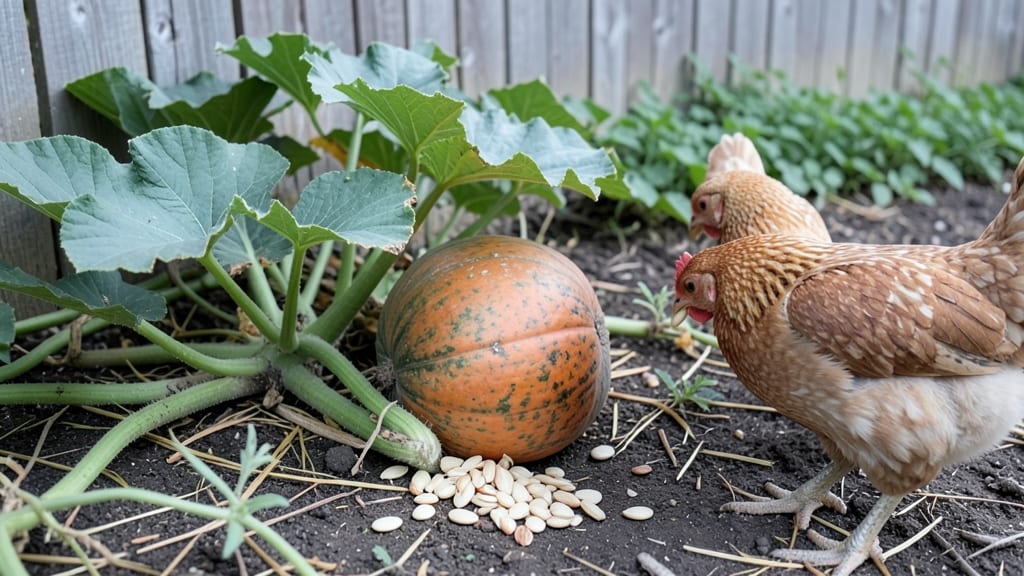
Chickens can eat raw pumpkin seeds in moderation, but they must be unsalted, unseasoned, and crushed or finely chopped to prevent choking. While nutritious, excessive intake may cause digestive upset due to high fat content and potential cyanogenic glycosides in raw seeds.
Raw pumpkin seeds offer chickens valuable nutrients like protein, magnesium, and zinc, but their benefits come with risks. 💫 The natural oils in seeds can lead to weight gain if overfed, while the hard shells pose choking hazards—even for adult birds.
I always recommend serving them crushed or lightly roasted to reduce cyanide compounds, which break down when heat-treated. For best results, limit portions to about 1-2 teaspoons per chicken, 2-3 times a week, and always pair them with fresh water to aid digestion.
What's interesting is how chickens respond differently based on seed preparation.
Whole seeds rarely get eaten unless they're mixed into scratch grains, while crushed seeds disappear faster during free-ranging time. 🌟 If you notice your flock pecking at seeds left in the coop, they're likely enjoying the texture change—just be mindful of how much they're consuming over time.
💡 In This Article
- Pumpkin Seed Safety for Chickens: Nutritional Value and Risks
- How to Feed Pumpkin Seeds to Chickens Safely
Pumpkin seed safety for chickens: nutritional value and risks
Pumpkin seeds pack a nutritional punch for chickens, offering roughly 30% protein by weight—comparable to chicken feed itself. 🌟 This makes them an excellent occasional treat, especially for layers needing extra protein for egg production.
The seeds also contain significant amounts of magnesium (about 535mg per 100g) and zinc (around 9.3mg per 100g), both essential for immune function and feather health.
However, the high fat content (about 44% fat) means these benefits come with caution—too much can lead to obesity or fatty liver disease in chickens.
The real concern lies in raw pumpkin seeds' cyanogenic glycosides, compounds that can release small amounts of hydrogen cyanide when crushed or chewed. 💛 While the levels in raw seeds are typically low (around 0.01-0.05% cyanide content), this is enough to cause digestive upset if consumed in large quantities.
Chickens metabolize cyanide differently than mammals, making them more sensitive to its effects. Roasting seeds at 350°F for 10-15 minutes reduces these compounds by up to 70% while preserving most nutrients.
Texture plays a critical role in safety. Whole pumpkin seeds are a choking hazard for chickens, especially younger birds with smaller throats. 🔥 The hard shells (which make up about 25-30% of the seed's weight) can also cause impaction if not properly processed.
I've seen chickens spend minutes trying to swallow whole seeds, only to regurgitate them later—this is a clear sign they're struggling. The solution is simple: crush seeds between two heavy objects (like a rolling pin) or pulse them briefly in a food processor until they resemble coarse sand.
Here's what happens when you process seeds properly:
- Crushing: Breaks down shells and reduces choking risk while exposing more nutrients
- Roasting: Reduces cyanide levels and enhances aroma, making seeds more appealing
- Mixing: Combine with 1 part seeds to 3 parts scratch grains to dilute fat content
The fat-to-protein ratio becomes especially important during breeding season.
A hen producing 6-8 eggs per week needs about 18-20% protein in her diet—pumpkin seeds can help meet this, but should never exceed 10% of her total feed intake. 🌟 For broilers, the fat content becomes more problematic as they approach market weight, potentially leading to softer meat quality if overfed.
What most backyard chicken keepers don't realize is how quickly chickens can develop a preference for pumpkin seeds.
I've had flocks that would completely ignore kitchen scraps but go wild for crushed seeds mixed into their feed. 💫 The key is moderation—think of these as a "sometimes" food rather than a staple.
Always introduce new foods gradually, watching for signs like increased thirst (a good sign) versus lethargy or loose droppings (a warning sign).