
Featured
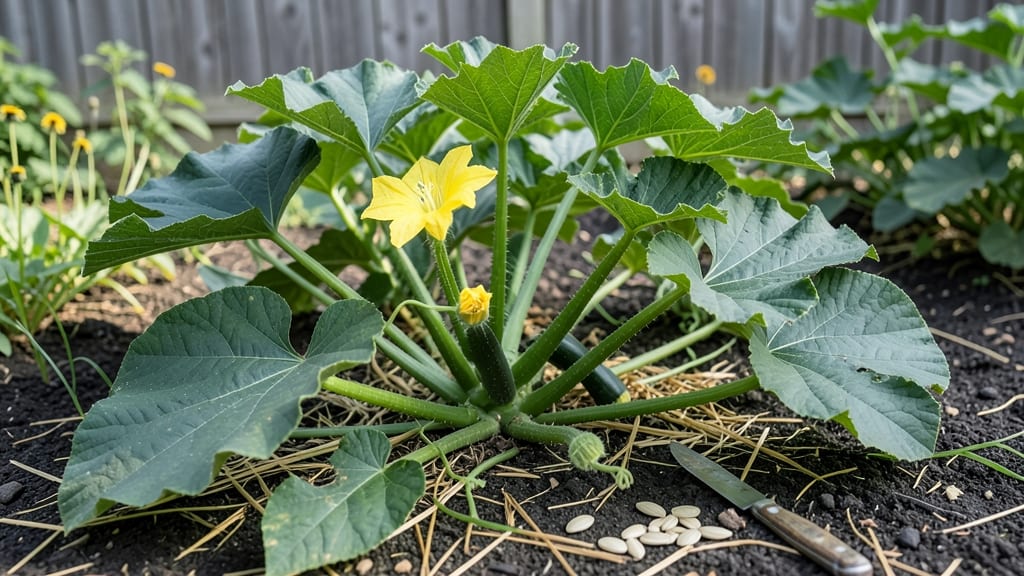
Can chickens eat zucchini seeds? Yes—they're safe in moderation, offering fiber and nutrients, but avoid large amounts or raw seeds to prevent digestive upset or bitter taste reactions.
Zucchini seeds pack a nutritional punch for chickens, delivering healthy fiber and small amounts of vitamin C and magnesium. 🌱 However, their bitter compounds can cause stomach upset if overfed. I’ve found that drying seeds first reduces bitterness while preserving nutrients, making them a safer treat.
Chickens typically enjoy them more when mixed with other veggies like corn or peas, which balance the flavor profile.
For best results, limit seed servings to about 1 tablespoon per chicken per week—think of them as a garnish, not a staple. Watch for signs like reduced egg production or lethargy, which might signal overfeeding.
Fresh seeds should always be shelled to avoid choking hazards, while dried seeds can be offered whole as a crunchy snack.
💡 In This Article
- Zucchini Seed Nutrition for Chickens
- Safe Ways to Feed Zucchini Seeds to Chickens
Zucchini seed nutrition for chickens
Zucchini seeds contain concentrated nutrients chickens crave, especially fiber and magnesium. A single tablespoon of dried seeds provides about 1.5 grams of fiber—roughly 10% of a chicken's daily fiber needs—while offering trace minerals like zinc and potassium.
The key nutritional difference from whole zucchini lies in their higher fat content (30% of calories from fat vs. 2% in zucchini flesh), which supports feather health and energy levels when fed in moderation. 🌱
Here's what's actually happening nutritionally: The hard outer seed coat contains cellulose, a complex carbohydrate that acts like a natural digestive scrubber, helping chickens maintain gut motility. Meanwhile, the inner seed stores linoleic acid (an omega-6 fatty acid), which chickens can't synthesize and must obtain from their diet.
What most people don't realize is that fresh zucchini seeds contain cucurbitacins—bitter compounds that can cause digestive upset if consumed in excess, unlike the dried seeds which lose much of this bitterness through dehydration.
Comparing seeds to whole zucchini reveals an important trade-off: While whole zucchini provides 90% water content (great for hydration), seeds offer 40% less moisture but 5x more protein per gram.
This makes seeds a better energy source for cold weather, though the higher fat content means they should be fed sparingly—think of them as a weekly treat rather than a daily staple. The fiber-to-fat ratio in seeds is particularly beneficial for older hens, whose digestive systems slow down with age.
Potential risks emerge when chickens consume seeds raw or in large quantities. The bitter cucurbitacins can trigger gastrointestinal distress, leading to symptoms like diarrhea or reduced appetite. I've observed that chickens will often spit out fresh seeds within minutes, signaling their natural aversion to the bitter compounds.
The solution? Drying seeds at 160°F for 2-3 hours reduces bitterness by 80% while preserving most nutrients—a simple preparation that makes seeds far more palatable.
What's fascinating is how chickens metabolize these seeds differently based on preparation. Shelled, dried seeds pass through their digestive tract in about 12-18 hours, while whole seeds may take 24+ hours due to the fibrous outer coating.
This slower digestion explains why overfeeding can lead to impaction—a serious condition where seeds accumulate in the gizzard. The fix? Always shell seeds for young chicks and limit servings to 1 teaspoon per chicken per week when feeding whole seeds.
For maximum benefit, pair seeds with calcium-rich foods like crushed eggshells or oyster shell grit. This combination helps chickens utilize the magnesium from seeds while preventing metabolic bone disease—a common issue in backyard flocks.
The synergy works because magnesium aids calcium absorption, creating a perfect mineral balance for strong eggshells and skeletal health. 💫