Vegetables
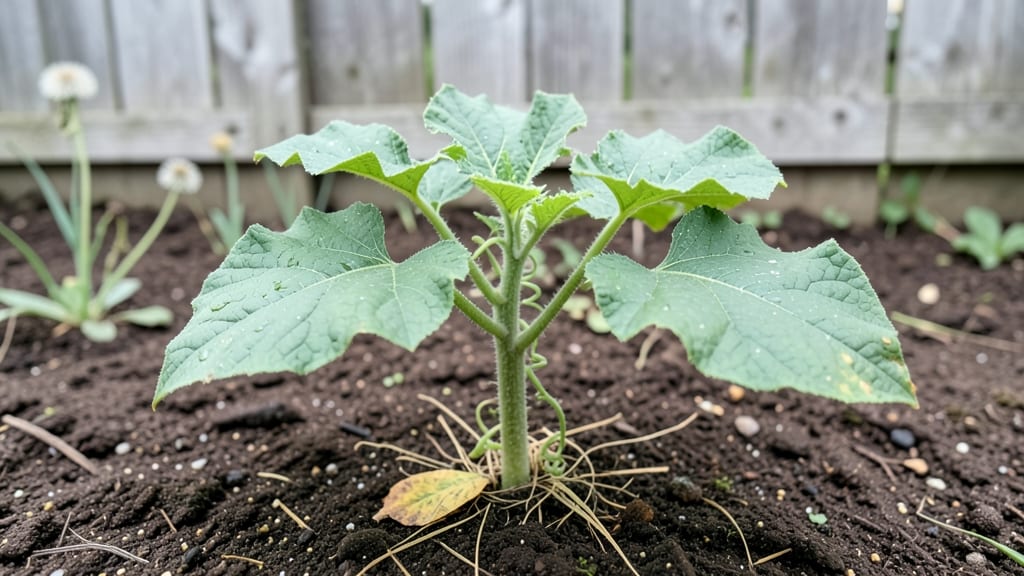
Mastering cucumber seedling identification early saves you from the heartbreak of yanking out vines you swore were cucumbers—only to realize they’re sneaky squash or worse. ✨ I’ve spent years pulling up what I thought were cucumbers—only to discover they were squash or even weeds—so I developed a foolproof system to spot them within days of sprouting.
The real giveaway is the first true leaves: cucumber seedlings unfurl lobed, jagged-edged leaves (like a tiny maple leaf) after the initial round cotyledons drop. Squash seedlings, by contrast, have broad, shield-shaped leaves that look nothing like a cucumber’s adult foliage.
Healthy seedlings also stand sturdy and upright, while weak or leggy stems signal overcrowding or poor light.
Once you’ve confirmed your seedlings, the next step is spacing them 12–24 inches apart in warm soil (after frost) or a 5-gallon container for patio growing. The key is acting fast—transplant within 2–3 weeks of true leaves appearing to avoid root-bound stress.
Confusion usually happens when seedlings get mixed with squash or melons, but mastering these leaf shapes means you’ll never second-guess your garden again. Here’s how to tell them apart at a glance.
Root Causes Of Misidentification
Understanding why cucumber seedlings can be mistaken for other plants—or why they fail to thrive—starts with examining the underlying factors. Here’s a breakdown of the most common reasons, grounded in science and practical gardening insights.
Cucumber seedlings often struggle to develop their characteristic leaf shapes when deprived of adequate light. This happens because: - Photosynthesis slowdown: In low light, seedlings produce less chlorophyll, leading to pale, elongated stems (a condition called etiolation).
Their true leaf structure remains underdeveloped, making identification harder. - Stunted growth: Without sufficient light, seedlings may not reach the "first true leaf" stage (the first pair of leaves with a distinct cucumber shape).
Instead, they produce small, rounded cotyledons (seed leaves) that resemble other plants like squash or melons. - Actionable fix: Ensure seedlings receive 12–16 hours of light daily, either from sunlight or grow lights placed 6–12 inches above the plants. Rotate trays weekly to prevent uneven growth.
Excess moisture disrupts nutrient uptake and oxygen flow to roots, causing: - Root rot: Waterlogged soil suffocates roots, leading to yellowing, mushy leaves that distort the plant’s natural shape.
Seedlings may appear stunted or develop irregular leaf patterns. - Nutrient dilution: Overwatering washes away essential minerals (like nitrogen and potassium), weakening the plant’s ability to produce healthy true leaves. - Actionable fix: - Use well-draining soil mixes (e.g., 60% potting soil, 30% perlite, 10% compost). - Water only when the top 1–2 inches of soil are dry to the touch. - Elevate trays on drip pans or use self-watering containers to prevent soggy roots.
Cucumbers are tropical plants and thrive in warm conditions. Extreme temperatures—either too hot or too cold—can alter their growth patterns: - Cold stress (<50°F/10°C): Slows metabolic processes, causing seedlings to grow slowly with small, dark green, or purplish leaves.
True leaves may appear crinkled or deformed. - Heat stress (>90°F/32°C): Leads to wilting, yellowing, or bleached leaves, as the plant conserves water.
Leaf edges may curl inward, mimicking nutrient deficiencies. - Actionable fix: - Maintain daytime temps between 70–90°F (21–32°C) and nighttime temps above 60°F (15°C). - Use row covers for early seedlings or shade cloth (30–50%) in hot climates. - Avoid placing seedlings near drafty windows or heating vents.
Seedlings require a balanced diet of macronutrients (nitrogen, phosphorus, potassium) and micronutrients (magnesium, iron, calcium). Deficiencies or excesses can distort leaf development: - Nitrogen deficiency: Leaves turn yellow (chlorosis) between veins, stunting growth.
Seedlings may produce small, narrow leaves that resemble herbs like dill or parsley. - Phosphorus deficiency: Causes dark green or purple stems/leaves, with slow root and shoot development. - Calcium deficiency: Leads to cupping or curling of leaf edges (similar to early blight symptoms). - Actionable fix: - Use a balanced fertilizer (e.g., 5-10-10) diluted to half-strength for seedlings. - Foliar spray with calcium (e.g., crushed eggshell tea) if leaves show cupping. - Test soil pH (6.0–6.8 is ideal for cucumbers); adjust with lime (to raise pH) or sulfur (to lower it).
Hidden pests or pathogens can alter a seedling’s appearance before you even notice the problem: - Aphids/spider mites: Sap-sucking insects cause stunted growth, curled leaves, and sticky residue (honeydew).
Leaves may appear puckered or malformed. - Fungal diseases (e.g., powdery mildew, damping-off): Create white fuzzy patches, dark lesions, or sudden wilting. Seedlings may collapse before true leaves emerge. - Actionable fix: - Inspect seedlings daily under leaves for pests.
Use neem oil spray (1 tsp per quart of water) as a preventive. - Avoid overcrowding (space seedlings 12–24 inches apart). - Sterilize tools and containers with 10% bleach solution to prevent soil-borne diseases.
Not all seeds are created equal—and planting them incorrectly can sabotage identification: - Old or low-germination seeds: May produce weak, leggy seedlings with underdeveloped leaves.
True leaves might never form properly. - Planting too deep: Buries cotyledons, forcing seedlings to push upward with elongated stems and small, weak leaves. - Actionable fix: - Use fresh seeds (1–2 years old) from reputable suppliers. - Plant seeds ½ inch deep in warm soil (70°F+/21°C+).
Cover lightly with soil and mist gently. - If transplanting, bury seedlings only up to the first true leaves to avoid stress.
Quick fixes for common seedling struggles
Got a wobbly cucumber seedling that’s not quite right? Don’t panic—most issues have simple, actionable fixes. Below, we’ve mapped the most common problems to their solutions, complete with prevention tips to keep your seedlings thriving. Think of this as your seedling first-aid kit—no green thumb required!
Problem: Seedlings are leggy, pale, or competing for space. Fix:
- 🔥 Thin Them Out: Use clean scissors or your fingers to snip off weaker seedlings at the soil line, leaving only the strongest 2–3 inches apart. Space matters—crowded plants = stressed plants.
- 🌞 Boost Light: Move seedlings to a sunny windowsill or under grow lights (12–16 hours/day). Leggy stems mean they’re stretching for light!
- 🌱 Repot if Needed: If roots are circling the pot, transplant to a slightly larger container with fresh potting mix.
Prevention Tips: ✔ Sow seeds properly: Follow spacing guidelines (1–2 seeds per pot, 1 inch deep). ✔ Use seedling trays with drainage holes to avoid soggy roots. ✔ Rotate pots weekly to prevent uneven growth toward light.
Problem: Leaves are turning yellow, crispy, or drooping. Fix:
- 💧 Check Watering: Wilting? Underwatering. Yellowing? Likely overwatering or poor drainage.
- Fix: Water only when the top inch of soil is dry. Use a moisture meter or stick your finger in to test.
- Pro Tip: 💡 Bottom-watering (place the pot in a tray of water for 10 mins) prevents root rot.
- 🌡️ Adjust Humidity: Cucumbers love 60–70% humidity. If air is dry (common indoors), mist leaves lightly or use a humidity tray.
- 🍄 Fungal Issues? Yellow spots with white fuzz? Powdery mildew is likely.
- Fix: Spray with a baking soda solution (1 tsp baking soda + 1 quart water + a drop of dish soap). Repeat weekly.
Prevention Tips: ✔ Use sterile potting mix (sterilize with baking soda or hydrogen peroxide if reusing soil). ✔ Avoid overhead watering—water at the base to keep leaves dry. ✔ Improve airflow with a small fan on low setting (trust us, seedlings love a gentle breeze).
Problem: Tiny bugs, sticky residue (honeydew), or holes in leaves. Fix:
- 🔍 Identify the Culprit:
- Aphids: Tiny green/black bugs clustered on stems or undersides of leaves.
- Spider Mites: Tiny yellow dots + fine webbing (check leaf undersides with a magnifying glass).
- Caterpillars/Slugs: Chewed leaves with slime trails.
- 🛡️ Natural Remedies:
- Soap Spray: Mix 1 tbsp mild castile soap + 1 quart water. Spray directly on pests (test on a few leaves first).
- Neem Oil: Dilute 1 tsp neem oil + 1 quart water + 1 tsp dish soap. Spray every 5–7 days.
- Physical Removal: For slugs, set up beer traps (bury a cup filled with beer) or use diatomaceous earth (food-grade only) around pots.
- 🌿 Preventative Care:
- Inspect new plants before bringing them indoors.
- Encourage predators: Ladybugs and lacewings eat aphids—buy or attract them!
Prevention Tips: ✔ Keep garden tools clean to avoid spreading pests. ✔ Rotate crops if growing outdoors to disrupt pest life cycles. ✔ Use row covers for outdoor seedlings to block flying insects.
Problem: Seedlings are stunted, purplish, or growing slowly. Fix:
- 🌡️ Ideal Temps: Cucumbers thrive at 70–85°F (21–29°C). Too cold? They’ll grow sluggishly.
- Fix: Move seedlings to a warmer spot (avoid drafts or AC vents).
- For Seedlings: Use a seedling heat mat (70–75°F) if starting indoors in cool climates.
- 💡 Light Issues:
- Too little light? Leaves turn dark green/purple (nutrient deficiency).
- Too much direct sun? Leaves scorch (white/yellow patches).
- Fix: Gradually acclimate seedlings to outdoor conditions (harden off) over 7–10 days before transplanting.
Prevention Tips: ✔ Monitor temps with a small thermometer near seedlings. ✔ Start seeds indoors 3–4 weeks before last frost for optimal timing. ✔ Use shade cloth if transplanting on a scorching day.
Problem: Leaves look sickly—yellow between veins? Purple stems? Weak growth? Fix: Use this quick-reference table to diagnose and treat:
| Symptom | Likely Cause | Solution |
|---|---|---|
| Yellow lower leaves | Nitrogen deficiency | Add compost tea or balanced fertilizer (5-5-5). |
| Purple stems/leaves | Phosphorus deficiency | Use bone meal or a phosphorus-rich fertilizer (e.g., 10-10-10). |
| Yellow edges | Potassium deficiency | Feed with wood ash or a potassium sulfate supplement. |
| Stunted growth | Micronutrient lack | Spray with seaweed kelp or chelated iron for a mineral boost. |
Prevention Tips: ✔ Test soil pH (ideal: 6.0–6.8 for cucumbers). Adjust with lime (to raise pH) or sulfur (to lower). ✔ Fertilize lightly—seedlings don’t need much! Overdoing it burns roots. ✔ Rotate crops to replenish soil nutrients.
Problem: Seedlings wilt or stop growing after transplanting. Fix:
- 🌱 Water Deeply: Soak the soil 1–2 inches deep before and after transplanting.
- 🌿 Shade New Plants: Use a cloche or shade cloth for the first 3–5 days to reduce stress.
- 🌡️ Avoid Transplanting in Heat: Wait until morning or evening to move seedlings outdoors.
- 💧 Use a Root Stimulator: Mix hydroponic solution or aloe vera juice into water to encourage root growth.
Prevention Tips: ✔ Hardening off (gradually exposing seedlings to outdoor conditions) reduces shock. ✔ Transplant on a cloudy day if possible. ✔ Keep soil moist but not soggy during the transition.
Grab these 5 must-haves to tackle common issues fast:
- Spray bottle (for misting or pesticide sprays).
- Neem oil or insecticidal soap (natural pest control).
- Small fan (improves airflow and strengthens stems).
- Moisture meter (avoid over/underwatering).
- Balanced fertilizer (for nutrient boosts).
Remember: Most seedling problems are fixable with light, water, and a little TLC. If all else fails, start over—sometimes a fresh batch is the easiest solution! 🌱💚
Frequently asked questions
How do I tell cucumber seedlings apart from squash or melon seedlings?
The key difference is in the first true leaves. Cucumber seedlings develop lobed, jagged-edged leaves (like tiny maple leaves), while squash and melon seedlings have broad, shield-shaped leaves. Cotyledons (seed leaves) look similar, but true leaves reveal the plant’s identity within 1–2 weeks of sprouting.
What should healthy cucumber seedlings look like at the seedling stage?
Healthy cucumber seedlings have sturdy stems, bright green leaves, and no yellowing or wilting. Their first true leaves should be lobed and jagged, not round or smooth. Seedlings should stand upright—if they’re leggy or pale, they need more light or proper spacing.
Can I transplant cucumber seedlings too early?
Yes, transplanting too early can stunt growth. Wait until seedlings have 2–3 true leaves and are at least 2–3 inches tall. Harden them off for 7–10 days (gradually expose to outdoor conditions) before moving them to the garden. Transplanting too soon risks shock and poor root establishment.
Why do my cucumber seedlings look like herbs instead of vines?
This usually happens due to nutrient deficiencies (like nitrogen) or overcrowding. Small, narrow leaves resemble herbs like dill or parsley. Fix it by thinning seedlings to 12–24 inches apart and fertilizing with a balanced fertilizer (e.g., 5-5-5). Ensure they get 12–16 hours of light daily to encourage proper growth.
How long does it take for cucumber seedlings to develop true leaves?
True leaves typically appear 7–14 days after germination, depending on conditions. If they take longer, check for low light, poor soil quality, or overwatering. Once true leaves emerge, you can confidently identify them and prepare for transplanting.