
Propagation
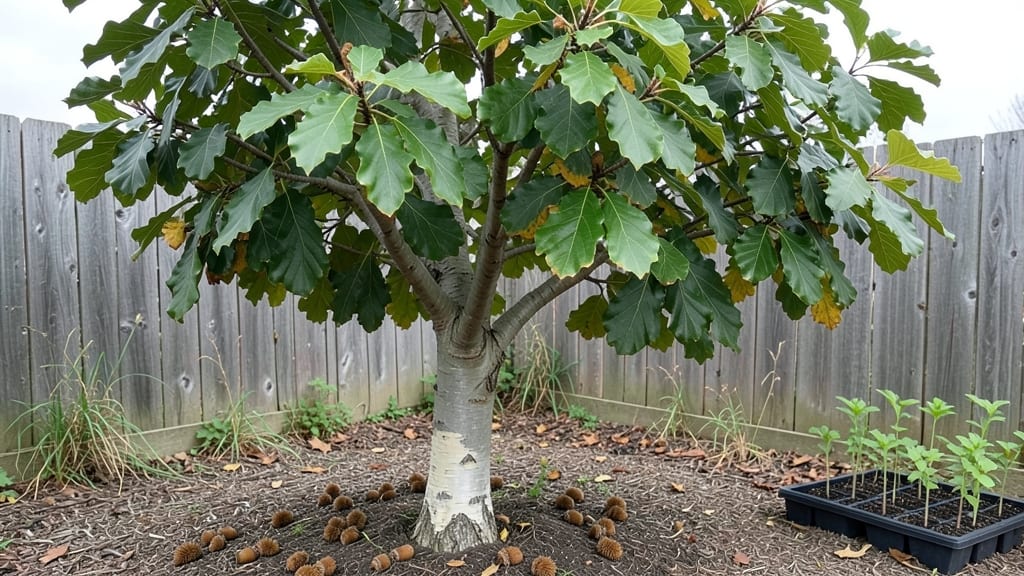
Growing beech trees from Fagus grandifolia seeds starts with patience—these slow-growing giants take years to mature, but the journey begins with a simple step you can do this fall. 🌱 I’ve grown them from seed, and while they’re not as fast as sunflowers, the reward of a towering shade tree with smooth silver bark makes every wait worthwhile.
The trickiest part? Getting those seeds to sprout. Beech seeds need cold stratification—mimicking winter’s chill—to break dormancy. I’ve found the easiest method is planting them fresh in fall, where natural freezing and thawing does the work.
If you’re starting indoors, mix seeds with damp sand in a sealed bag and refrigerate for 3-4 months before planting. Most seeds won’t sprout until the second year, so don’t rush—this is where most beginners give up.
Once they break soil, beech seedlings are surprisingly delicate. Keep them in partial shade at first, watering only when the top inch of soil feels dry. After a year, they’ll start looking like tiny oak saplings, but their leaves stay smooth-edged year-round.
By year 3, you’ll see the classic beech leaf shape—long, oval, and glossy—and that’s when they start growing fast enough to notice.
Here’s the thing about beech trees: they’re built to last. If you plant one now, your great-grandkids might still be enjoying its shade. The key is consistency—don’t let the soil dry out completely, and avoid transplant shock once they’re a few inches tall.
With the right care, you’re not just growing a tree; you’re planting a legacy.
📚 In This Guide
- What you need
- Instructions
- Tips and common mistakes
- Wrapping up and next steps
What you need
- ● Fresh or stored Fagus grandifolia seeds: Quantity: 10–20 seeds (higher germination rates with more seeds)
- ● Specifics: Collect seeds from mature beech trees (green husks turn brown when ripe) or purchase from a reputable supplier.
- ● Growing medium: Quantity: Enough to fill a 4–6 inch (10–15 cm) deep container
- ● Specifics: Well-draining mix of 50% peat moss or coconut coir and 50% perlite or coarse sand (sterilized).
- ● Containers: Quantity: 1–2 seed trays or small pots (with drainage holes)
- ● Specifics: 4–6 inch (10–15 cm) deep containers work best for initial germination.
- ● Misting bottle or spray nozzle: For gentle watering without disturbing seeds.
- ● Plastic wrap or humidity dome: To maintain moisture during germination.
- ○ pH testing kit (optional but helpful): Ideal soil pH for beech seeds is 5.0–6.5.
- ● Label markers: To track seed varieties and planting dates.
- ● Heat mat: Speeds up germination (keep soil at 60–70°F / 15–21°C).
- ● Grow lights or sunny windowsill: Provides consistent light for seedlings (12–14 hours/day).
- ● Fungicide (e.g., hydrogen peroxide 3% solution): Prevents mold during stratification.
- ● Refrigerator or cold stratification setup: If seeds aren’t pre-stratified (see instructions).
- ● Transplanting tools (small trowel, pruners): For moving seedlings outdoors later.
Step-by-step instructions for growing beech trees from seeds
Here's how to nurture beech seedlings into sturdy young trees with patience and precision.
🌱 Step 1: Collect and Stratify the Seeds
Beech seeds need cold stratification to break dormancy. Collect fresh seeds in fall when the spiny husks open naturally. Remove the seeds from their husks and store them in a sealed container with damp peat moss or sand—keep it moist but not soggy. Place the container in the refrigerator for 90-120 days.
Check the seeds monthly. If they feel dry or shriveled, add a few drops of water and mix gently. The stratification mimics winter conditions, tricking the seeds into thinking spring has arrived. This step is non-negotiable—skipping it results in seeds that refuse to sprout.
💧 Step 2: Plant Stratified Seeds in Containers
Fill 4-inch diameter pots with a mix of 50% potting soil and 50% perlite for drainage. Plant 2-3 seeds per pot at a depth of ½ inch, spacing them evenly. Press the soil lightly around them to ensure good contact but don’t compact it.
Water gently until moisture seeps from the drainage holes. Place the pots in a warm, shaded area with 60-65°F temperatures. Germination can take 30-90 days, so patience is key. Cover the pots with plastic wrap to retain humidity, but remove it daily for 10 minutes to prevent mold.
☀️ Step 3: Provide Light and Gradual Outdoor Acclimation
Once seedlings emerge with 2-3 true leaves, move them to a spot with partial shade (60% sunlight). Beech seedlings are sensitive to intense light initially. Use a grow light if natural light is insufficient, keeping it 12 inches above the plants for 12-14 hours daily.
After 4-6 weeks of steady growth, begin hardening them off. Place the pots outside in a sheltered spot for 2 hours daily, gradually increasing exposure over 2 weeks. Watch for wilting—if leaves droop, they’re not ready for longer outdoor time.
🪴 Step 4: Transplant Seedlings to the Ground
Choose a location with well-draining soil and morning sun. Dig a hole twice as wide as the pot but only as deep as the root ball. Gently remove the seedling, loosen the roots if they’re circling, and place it in the hole. Fill around it with soil, pressing lightly to eliminate air pockets.
Water deeply to settle the soil, then mulch with 2 inches of organic mulch (like wood chips) to retain moisture and regulate temperature. Keep the area consistently moist but avoid waterlogging—beech roots rot easily. Transplant in early spring or fall for best survival rates.
✂️ Step 5: Maintain and Protect Young Trees
Water seedlings 1-2 times weekly during dry spells, aiming for 1 inch of water per week. Beech trees are drought-tolerant once established but need consistent moisture as young plants. Fertilize lightly in spring with a balanced 10-10-10 fertilizer to encourage root growth.
Protect young trees from deer and rabbits with a wire mesh cage or repellent. Beech seedlings grow slowly—expect 6-12 inches of height gain per year. Prune only to remove dead or damaged branches; beech trees develop a strong, symmetrical form naturally with minimal intervention.
Tips & tricks for growing beech trees from seeds
These essential tricks will help you navigate the delicate process of growing beech trees from scratch with confidence.
Stratification Success: Don't rush the 90-120 day cold stratification period—this is absolutely critical for breaking dormancy. I've learned the hard way that skipping or shortening this time leads to seeds that simply won't germinate. Place a small dish of water in your refrigerator near the seeds to maintain consistent humidity without overwatering the peat moss.
Container Selection Tip: While 4-inch pots work well, consider using biodegradable pots made from coconut coir or paper. These can be planted directly into the ground when transplanting, reducing root disturbance. Just make sure they have drainage holes to match the instructions. The key is maintaining that perfect 50/50 soil-perlite mix for proper drainage while keeping roots snug.
Germination Patience: The 30-90 day germination window can feel like forever, but beech seeds are notoriously slow starters. Mark your calendar when you plant them and set reminders to check monthly. I've found keeping a small notebook with dates and observations helps track progress—especially when you're waiting this long!
Hardening Off Strategy: When beginning the 2-week hardening process in Step 3, start with just 2 hours of outdoor exposure and gradually increase by 30 minutes each day. Watch for wilting closely—this is your tree's way of saying "not ready yet." I've seen seedlings that were pushed too fast develop brown edges and struggle to recover.
Pro Tips for Fagus Grandifolia Seeds
- These essential tricks will help you navigate the delicate process of growing beech trees from scratch with confidence.
- Stratification Success: Don't rush the 90-120 day cold stratification period—this is absolutely critical for breaking dormancy.
- Container Selection Tip: While 4-inch pots work well, consider using biodegradable pots made from coconut coir or paper.
Frequently asked questions
Got questions about growing Fagus grandifolia from seeds? You’re not alone! Here are answers to the most common queries to help you succeed:
How long does it take for beech tree seeds to germinate?
Fagus grandifolia seeds are notoriously slow to germinate—often taking 6 to 12 months (or even longer) under ideal conditions. Stratification (cold treatment) is key! Plant seeds in fall or pre-chill them in moist sand for 3–6 months before sowing. Patience is a virtue here—think of it as nature’s way of ensuring strong, hardy seedlings!
Do I need to stratify beech seeds, and how?
Yes! Stratification mimics winter’s natural dormancy period. Mix seeds with moist sand or peat moss in a sealed bag, then refrigerate (33–41°F) for 3–6 months. Check moisture weekly—seeds should stay damp but not soggy. Skip this step, and germination rates will plummet. Pro tip: Label your bags!
Can I grow a beech tree from store-bought seeds, or do I need wild-harvested ones?
Store-bought seeds can work, but wild-harvested seeds often have higher viability. If buying, choose reputable nurseries specializing in native trees. Wild seeds (collected fresh from mature trees) may germinate better, but ensure they’re clean, dry, and stored properly (cool, dark place) until planting. Always check seed source freshness!
Why aren’t my beech seeds sprouting after months?
Slow germination is normal, but rule out these issues first: dry seeds (re-moisten and re-stratify), rot (fungus in soggy conditions), or old seeds (beech seeds lose viability over time). If seeds are <2 years old and properly stratified but still dormant, try a warm-cold cycle (alternate fridge and room temp for 2 weeks). Persistence pays off!
What’s the best soil mix for beech tree seedlings?
Seedlings thrive in well-draining, slightly acidic soil (pH 5.0–6.5). Mix 50% peat or compost, 30% perlite/sand, and 20% garden soil for ideal aeration. Avoid heavy clay—beech roots hate waterlogged conditions. Mulch lightly with pine needles or bark to retain moisture and mimic forest floors.
Are there faster-growing alternatives to beech trees?
If you want quicker results, consider fast-growing natives like Quercus (oak) or Betula (birch) species. Beech trees grow at 1–2 feet per year—slow but steady! For instant shade, opt for Paulownia or Leucadendron, though they won’t match beech’s longevity or elegance. Patience rewards with a 200+ year legacy!
Wrapping up and next steps
Growing Fagus grandifolia seeds into majestic beech trees is a rewarding journey that connects you to nature’s timeless beauty. 🌱 With patience, the right conditions, and a little care, you can nurture these resilient trees from scratch—whether for your garden, landscape, or even future generations. Now that you’re armed with knowledge, why not take the first step? Find those fresh seeds, prep your growing space, and let the magic of propagation unfold!
🌟 Next Steps:
- Order seeds from a trusted supplier or forage responsibly if harvesting from mature trees.
- Start small—try growing a few seeds in pots before transplanting outdoors.
- Share your progress with fellow gardening enthusiasts for tips and inspiration!