
Lawn
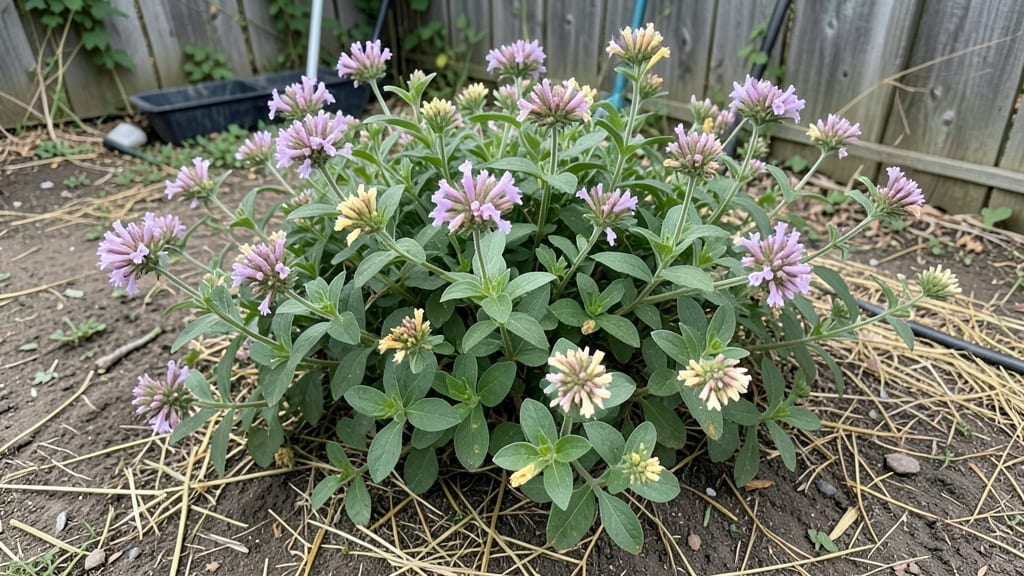
That tiny brown pod hiding in your lantana’s branches holds the secret to next year’s bushy, fragrant vines. 🌿 I’ve cracked the code on how to coax those stubborn seeds into sprouting—because store-bought seedlings just don’t compare to the ones you grow from scratch.
The key lies in timing, a little patience, and knowing exactly when those pods are ready to harvest.
First, you’ll need to spot the perfect seed pod—it turns from green to dry and papery, splitting open just enough to reveal the seeds inside. Harvest them in late summer when they’ve matured but haven’t scattered yet.
The soil mix should be light and well-draining, and a warm spot (like a sunny windowsill or greenhouse) will speed up germination. Most seeds sprout within 10-14 days if kept consistently moist.
What you’ll end up with are vigorous seedlings that outpace nursery plants, bursting with the same sweet, citrusy scent that makes lantana irresistible. These homegrown vines grow faster, handle heat better, and fill your garden with butterfly magnet blooms by early summer.
The best part? You’ll save money and get exactly the varieties you love.
This method works for both container gardens and in-ground plantings, and it’s just as effective for organic gardeners. Once you’ve mastered the seed pods, you’ll never buy lantana transplants again. Let’s get those seeds sprouting!
📚 In This Guide
- What you need
- Instructions
- Tips and common mistakes
- Wrapping up and next steps
What you need
- ● Lantana seed pods: Fresh or dried pods (collect from mature lantana plants or purchase from a reputable supplier). Aim for at least 10 pods to increase germination success.
- ● Seed-starting mix: A well-draining, sterile potting mix (look for a blend labeled for seedlings or cacti/succulents). You’ll need about 2-3 gallons for a standard seed tray.
- ● Seed trays or small pots: Biodegradable or plastic trays with drainage holes, or 4-inch pots (1-2 per seed pod).
- ● Spray bottle: For gently moistening seeds without disturbing them.
- ● Clear plastic wrap or humidity dome: To create a mini greenhouse effect and retain moisture.
- ● Grow lights or sunny windowsill: Lantana seeds thrive in bright, indirect light. A grow light is ideal for consistent results.
- ● Small hand trowel or spoon: For gently pressing seeds into the soil.
- ● Labels and markers: To track planting dates and seed varieties.
- ● Seed germination aid: A product like rooting hormone or seaweed extract to boost early growth.
- ● Heating mat: If your space is cool (<60°F/15°C), a seedling heat mat can speed up germination.
- ● Fertilizer (low-dose): A balanced, water-soluble fertilizer (e.g., 5-5-5) for when seedlings sprout 2-3 sets of true leaves.
- ● Pruning shears: For trimming seed pods to expose seeds if they’re stubbornly sealed.
- ● Journal or app: To log progress, moisture levels, and germination timelines.
Step-by-Step instructions for germinating lantana seed pods
Here’s how I coax those tiny lantana seeds into vigorous, fragrant vines—no fancy equipment needed.
🌱 Step 1: Harvest and Prep the Seed Pods
Collect mature lantana seed pods when they turn brown and begin splitting open. The seeds inside are tiny and papery, so handle them gently—think of them like delicate confetti. I like to spread the pods on a clean paper towel and let them dry for a day or two in a warm, dry spot. This helps loosen the seeds from their papery coating.
Once dry, open the pods carefully with your fingers or a small knife. You’ll find dozens of tiny seeds inside—each one a potential bushy vine. Store them in a sealed envelope until you’re ready to plant, but don’t let them sit for more than a few weeks. Fresh seeds germinate best, and lantana seeds lose viability quickly.
💧 Step 2: Soak Seeds for Better Germination
Lantana seeds have a hard outer coating that slows water absorption. To speed things up, soak the seeds in warm water for 12-24 hours before planting. I use a small glass or bowl and cover it loosely with plastic wrap to keep the water from evaporating too fast. Stir them occasionally so they don’t clump together.
After soaking, the seeds should look slightly plump and less papery. Drain them well and pat them dry with a paper towel. This step is crucial—it mimics the natural softening that happens in the soil after rain. Skipping it means waiting weeks for germination, and patience isn’t always my strong suit.
☀️ Step 3: Plant in Warm, Well-Draining Soil
Fill small pots or seed trays with a mix of 50% potting soil and 50% perlite or coarse sand—lantana hates soggy roots. Sprinkle the soaked seeds on the surface and press them lightly into the soil, just enough so they make contact but don’t get buried. A light misting with water is all they need to start.
Place the pots in a warm spot, ideally between 70-80°F. A seedling heat mat helps if your home runs cooler. Keep the soil consistently moist but not wet—think of it like a wrung-out sponge. You’ll see tiny sprouts in 7-14 days, though some seeds may take longer. Don’t be tempted to move them too soon—they’re delicate at first.
🌿 Step 4: Provide Bright Light and Prune for Bushiness
Once the seedlings emerge, move them to the brightest spot you have—6+ hours of sunlight daily is ideal. A south-facing window or grow light works best. If you notice the stems stretching tall and thin, your light isn’t strong enough. Rotate the pots weekly so they grow straight instead of leaning.
When the seedlings reach 2-3 inches tall, pinch off the top set of leaves. This might sound counterintuitive, but it encourages bushier growth by promoting side shoots. Repeat this pruning every few weeks as they grow. You’ll end up with a full, fragrant lantana bush instead of a leggy stalk.
✂️ Step 5: Transplant and Harden Off
After 6-8 weeks, when the seedlings have 4-5 sets of leaves, it’s time to transplant them into individual pots or your garden. Choose a spot with full sun and well-draining soil—lantana thrives in heat and drought once established. Water deeply after planting to help the roots settle in.
Before moving them outdoors permanently, harden them off over 7-10 days. Start by placing them outside in a shaded spot for an hour, then gradually increase their time in the sun. Watch for wilting—if it happens, they’re not ready yet. Once they’re tough enough, they’ll reward you with clusters of fragrant blooms all season long.
Tips & tricks for germinating lantana seed pods
Here's what I've learned after years of growing lantana from seed—these tricks will help you avoid the most common pitfalls and get those fragrant vines thriving.
Soaking Secret: The 12-24 hour soak in Step 2 is your secret weapon for breaking through that tough outer coating. Use warm water (not hot) and add a drop of dish soap to help reduce surface tension—this helps the water penetrate those tiny seeds more effectively. Stir them every few hours to prevent clumping, which can create air pockets that slow down the softening process.
Lighting Strategy: In Step 4, when you're providing that crucial 6+ hours of sunlight, don't underestimate the power of artificial light if natural light is limited. A simple LED grow light placed just 6 inches above your seedlings works wonders. I've seen seedlings stretch toward a grow light even when it's cloudy outside—it's like they can sense the energy! Rotate your pots weekly to prevent them from leaning toward one light source.
Pruning Timing: The 2-3 inch height mentioned in Step 4 is perfect for your first pinch. Wait until you see at least 3 sets of true leaves (not just the initial seed leaves) to ensure you're pinching at the right spot. This encourages the plant to branch out rather than grow tall and leggy. I like to use clean scissors or my fingers—just be gentle to avoid damaging the stem.
Transplanting Readiness: When you're checking for 4-5 sets of leaves in Step 5, also look for the first signs of tiny flowers forming at the base of the plant. This is nature's way of telling you the roots are established enough for transplanting. If you see these flower buds, your seedlings are ready to move outdoors—don't wait any longer! The 6-8 week timeline is just a guideline, not a strict rule.
Pro Tips for Lantana Seed Pod
- Here's what I've learned after years of growing lantana from seed—these tricks will help you avoid the most common pitfalls and get those fragrant vines thriving.
- Soaking Secret: The 12-24 hour soak in Step 2 is your secret weapon for breaking through that tough outer coating.
- Lighting Strategy: In Step 4, when you're providing that crucial 6+ hours of sunlight, don't underestimate the power of artificial light if natural light is limited.
Frequently asked questions
Got questions about lantana seed pods? You’re not alone! Whether you’re a gardener eager to propagate your plants or just curious about these unique pods, here are some common queries—and their answers—to help you along the way.
How long does it take for lantana seed pods to germinate?
Germination can take anywhere from 10 to 30 days, depending on conditions like warmth, moisture, and soil quality. For faster results, keep seeds in a warm, humid environment (around 70–75°F) and maintain consistent moisture. Patience is key—some seeds may take longer, especially if they’re older!
Can I grow lantana from seed pods I find in my yard?
Lantana seed pods are easy to collect and grow. Just open the pod (they’ll split open on their own when dry), extract the tiny seeds, and plant them. If the pods are still green, let them dry out first—this ensures better germination rates. Just be mindful of invasive tendencies in your region!
Are lantana seed pods toxic to pets or children?
While the seeds and pods themselves aren’t highly toxic, lantana leaves and flowers can cause mild stomach upset if ingested in large quantities. Keep an eye on curious pets or kids, and avoid planting near high-traffic areas. If ingestion occurs, contact a vet or poison control for guidance.
What’s the best way to store lantana seeds if I don’t plant them right away?
Store seeds in a cool, dry place (like a sealed envelope or airtight container) in the fridge for up to 6–12 months. Avoid moisture to prevent mold. Label your container with the date—fresh seeds germinate better! For longer storage, dry them thoroughly first (3–5 days in a warm, dry spot).
Why aren’t my lantana seeds sprouting? Troubleshooting tips?
If your seeds aren’t germinating, check these common issues:
Temperature too low? Lantana loves warmth—try a heat mat or sunny windowsill.
Moisture inconsistent? Keep soil damp (not soggy) and use a humidity dome.
Seeds too old? Fresh seeds sprout better—test viability with a damp paper towel.
Poor soil? Use a light, well-draining mix (like cactus/succulent soil).
If all else fails, try stratification (chilling seeds for 2–4 weeks) to mimic natural conditions.Wrapping up and next steps
Growing lantana from seed pods is a rewarding journey that brings vibrant color and fragrant blooms to your garden! 🌿 With the right patience, technique, and care, you’ll soon enjoy bushy vines that thrive in sunny spots.
Whether you’re a beginner or a seasoned gardener, every seed pod holds the potential for a stunning addition to your landscape.
Ready to dive in? Start by gathering your supplies—like seed pods, pots, and soil—and follow the steps above. Soon, you’ll be watching those first sprouts emerge, knowing you’ve nurtured life from something as simple as a seed pod! Happy gardening! 🌱