
Lawn
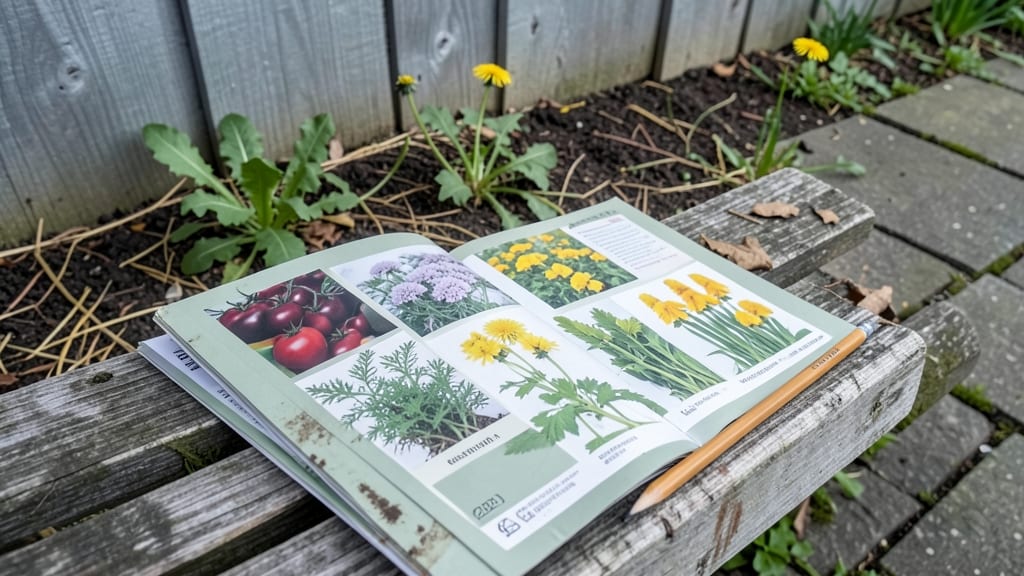
Ordering seeds from the 2026 seed catalog before everyone else means you’ll get first dibs on rare heirlooms and the best varieties—before they sell out. 🌱 I still remember the year I waited until March to order, only to find my top picks were gone by April.
The early birds get the seeds and the peace of mind of knowing your garden’s backbone is already planned.
Seed catalogs aren’t just pretty pictures—they’re treasure maps for your garden’s potential. Each page holds clues about which tomatoes thrive in your zone, which beans resist pests, and which flowers attract pollinators like magnets. I start by circling varieties that match my climate, then cross-reference with my family’s favorite flavors.
By the time spring arrives, my planting schedule is locked in, and I’m ready to hit the ground running.
You’ll walk away with a garden that’s not just productive but personal—filled with plants that suit your taste, your space, and your growing conditions. Imagine biting into a sun-ripened heirloom tomato you picked based on a catalog description, or watching your grandkids giggle over a patch of rainbow chard.
That’s the magic of planning ahead. The best part? You’ll avoid last-minute scrambles to find seeds that might not even suit your region.
Whether you’re a seasoned gardener or just starting, this is your chance to shape next year’s harvest before anyone else does. Let’s make sure your 2026 garden is the one your neighbors envy—and your taste buds celebrate.
📚 In This Guide
- What you need
- Instructions
- Tips and common mistakes
- Wrapping up and next steps
What you need
- ● Seed catalog (2026 edition) – Choose a reputable publisher with lawn-specific varieties (e.g., Burpee, Park Seed, or Johnny’s Selected Seeds).
- ● High-quality seeds – 1-5 lbs (depending on lawn size), focusing on cool-season grasses (e.g., Kentucky Bluegrass, Fescue) or warm-season grasses (e.g., Bermuda, Zoysia) for your climate.
- ● Lawn soil test kit – $15–$30 (e.g., Luster Leaf or MySoil) to check pH and nutrient levels before planting.
- ● Broadcast spreader – $30–$80 (e.g., Scotts Turf Builder or Brillion) for even seed distribution.
- ○ Lawn roller (optional but helpful) – $50–$150 (e.g., Brillion or Amico) to firm soil post-seeding.
- ● Water source & hose – Garden hose with adjustable nozzle (e.g., Flexzilla) for consistent watering.
- ● Garden gloves & knee pads – $10–$25 for comfort during prep work.
- ● Seedling heat mat – $20–$50 (e.g., Grower’s Solution) for cooler climates.
- ● Soil aerator – $50–$200 (manual or powered) to improve seed-to-soil contact.
- ● Lawn fertilizer starter kit – $20–$40 (e.g., Milorganite) for a nutrient boost.
- ● Weatherproof seed storage bags – $10–$20 (e.g., Mylar bags with oxygen absorbers) to preserve seeds post-purchase.
- ● Garden journal – $5–$15 (e.g., Rustico) to track planting dates, varieties, and progress.
How to plan your 2026 garden using seed catalogs
Let’s turn those seed catalogs into a practical, season-ready garden plan.
📖 Step 1: Organize Catalogs by Plant Type and Season
Start by sorting your catalogs into three main categories: cool-season crops (like lettuce, spinach, and peas), warm-season crops (tomatoes, peppers, and cucumbers), and perennials/herbs. I like to use sticky tabs or bookmarks to mark my top 5-10 picks from each section—this keeps things manageable. Look for varieties labeled as disease-resistant or heirloom if those matter to you.
Next, note the days to maturity for each plant. This tells you when to start seeds indoors or when to plant directly in the ground. For example, tomatoes with a 70-day maturity need to go in the soil 6-8 weeks before your last frost date. Jot these deadlines in your planner or calendar so you don’t miss them.
📅 Step 2: Map Out Planting Zones and Timelines
Use your USDA Plant Hardiness Zone as your guide—this determines what will thrive in your area. Most seed catalogs list recommended zones for each variety, so cross-reference those with your local zone. For instance, if you’re in Zone 6, you’ll want to avoid tropical plants that need Zone 10+ warmth.
Now, sketch a rough planting timeline on paper or in a spreadsheet. Block out early spring for cool-season crops, late spring/early summer for warm-season starts, and fall for another round of cool-season planting. Pro tip: Highlight your last frost date and first frost date—these are your garden’s bookends. You’ll also want to note any succession planting opportunities, like replacing harvested lettuce with radishes.
🌱 Step 3: Plan for Space and Companion Planting
Flip through your catalogs and note the mature size of each plant—this is critical for avoiding overcrowding. A bush bean plant might only need 6 inches of space, while a pumpkin vine can sprawl 10 feet. Sketch a simple garden layout, grouping companion plants together (like basil with tomatoes or marigolds with peppers) to deter pests naturally.
Don’t forget vertical space! Trellises for pole beans or cucumbers save room and improve airflow. If you’re working with containers, check the catalog for container-friendly varieties—some tomatoes and peppers are bred specifically for pots. Jot down which plants will need stakes, cages, or trellises so you can order or gather those supplies early.
💰 Step 4: Set a Budget and Order Strategically
Seed catalogs often include bulk discounts or combo packs—compare prices per seed to avoid overspending. Prioritize open-pollinated or heirloom seeds if you want to save seeds for next year, as hybrid varieties won’t reproduce true to type. I like to order 50% of my seeds early (when discounts are deepest) and the rest closer to planting time for fresher stock.
Check shipping deadlines—most catalogs recommend ordering 6-8 weeks before your first frost to ensure seeds arrive in time. If you’re growing from seed, also budget for seed-starting supplies like trays, soil, and grow lights. For transplants, factor in the cost of healthy nursery starts if you’re short on time or space for seed starting.
✂️ Step 5: Finalize Your Planting Schedule and Supplies List
Now’s the time to pull everything together. Create a master checklist with:
- Seeds ordered (with quantities)
- Transplants needed (and where to buy them)
- Supplies required (soil amendments, trellises, mulch, etc.)
- Planting dates (marked on your calendar)
- Maintenance notes (like when to fertilize or prune).
I also like to include a backup plan for each crop—what will you plant if the first batch fails? For example, if your tomatoes get blight, you might have a few pepper or eggplant seeds ready to go. This step might feel tedious, but it saves headaches later. Once everything’s organized, you’re ready to start planting with confidence!
Tips & tricks for planning your 2026 garden from seed catalogs
These early-bird strategies will help you turn those seed catalogs into a foolproof garden plan—before your neighbors even think about planting.
The Zone Factor: Double-check your USDA Plant Hardiness Zone in Step 2, but don't stop there. Many seed catalogs list microclimate recommendations for specific varieties. For example, a tomato variety might thrive in Zone 6 but need a sheltered spot in Zone 5. I always jot these notes in the margin of my catalogs so I remember during planting. This small detail can mean the difference between thriving plants and sad, wilted ones.
Maturity Math: In Step 1, when you're calculating those days to maturity for your crops, remember to account for your local growing season length. For instance, if you're in Zone 4 with only 120 days between last and first frost, that 70-day tomato needs to go in the ground 50 days before your last frost date—not the standard 6-8 weeks. Use a free online frost date calculator to get precise numbers for your area.
Space-Saving Hacks: Step 3 mentions mature plant sizes, but here's the thing nobody tells you—most catalogs list minimum spacing, not ideal spacing. For example, while basil needs just 12 inches apart, giving it 18 inches means you can harvest more leaves without sacrificing growth. I always add 25% extra space between my top crops, and it makes a noticeable difference in yield. Also consider square foot gardening layouts if space is tight.
Budget-Proofing: When setting your budget in Step 4, look beyond just seed prices. Calculate the cost per square foot of your garden space. For example, if you're planting container tomatoes that cost $3 each but only take up 1 square foot, they're more expensive per square foot than bush beans at $1 for 3 plants covering 2 square feet. This helps you prioritize what to splurge on versus where to save. I also recommend ordering 5-10 extra seeds of your favorite varieties—you'll need them for next year's garden!
Pro Tips for 2026 Seed Catalog
- These early-bird strategies will help you turn those seed catalogs into a foolproof garden plan—before your neighbors even think about planting.
- The Zone Factor: Double-check your USDA Plant Hardiness Zone in Step 2, but don't stop there.
- Maturity Math: In Step 1, when you're calculating those days to maturity for your crops, remember to account for your local growing season length.
Frequently asked questions
Got questions about the 2026 seed catalog? You’re not alone! Here are answers to the most common queries to help you plan ahead like a pro.
When will the 2026 seed catalogs be available?
Most major seed companies release their 2026 catalogs in late 2025—typically between October and December. Set reminders or subscribe to newsletters from brands like Burpee, Park Seed, or Johnny’s Selected Seeds to get notified first!
Can I order seeds now for 2026?
Not yet! Seed companies usually open pre-orders 6–12 months before release. Check their websites in late 2025 for early-bird discounts. Meanwhile, save your wishlist and budget—popular varieties sell out fast!
Are there affordable alternatives to big-name seed catalogs?
For budget-friendly options, try:
- Local seed swaps (check Facebook groups or gardening clubs).
- Open-pollinated seeds from Seed Savers Exchange or Baker Creek Heirloom Seeds.
- Discounted bulk seeds from Territorial Seed Co. or Richters.
Pro tip: Heirloom seeds often cost less and offer unique varieties!
How do I know if a seed is right for my climate?
Most catalogs include USDA hardiness zone maps and planting guides. For a quick check:
- Enter your ZIP code on the company’s website.
- Look for “cool season” (spring/fall) vs. “warm season” (summer) crops.
- Ask about days to maturity—short-season seeds (e.g., Bush Beans) work for Zone 5, while long-season tomatoes need Zone 7+.
Need help? Use the USDA Plant Hardiness Zone Finder as a starting point.
What if I miss the 2026 catalog release?
Don’t panic! Most companies offer:
- Digital catalogs (PDFs) for instant access.
- Online stores with 2026 seeds available post-release.
- Backorders for sold-out items (but act fast!).
Pro tip: Follow seed companies on Instagram or X (Twitter) for flash sales!
Wrapping up and next steps
The 2026 seed catalog is your golden ticket to a thriving garden—packed with innovative varieties, drought-resistant options, and heirloom favorites that’ll make your outdoor space the envy of the neighborhood! 🌱 Whether you’re dreaming of a lush lawn, vibrant flower beds, or a bountiful veggie patch, now’s the time to start planning and saving those early-bird discounts.
Ready to take the first step? Bookmark your favorite catalogs, jot down your must-have seeds, and set a reminder to order before the rush! Your future garden—and your future self—will thank you.