Planting
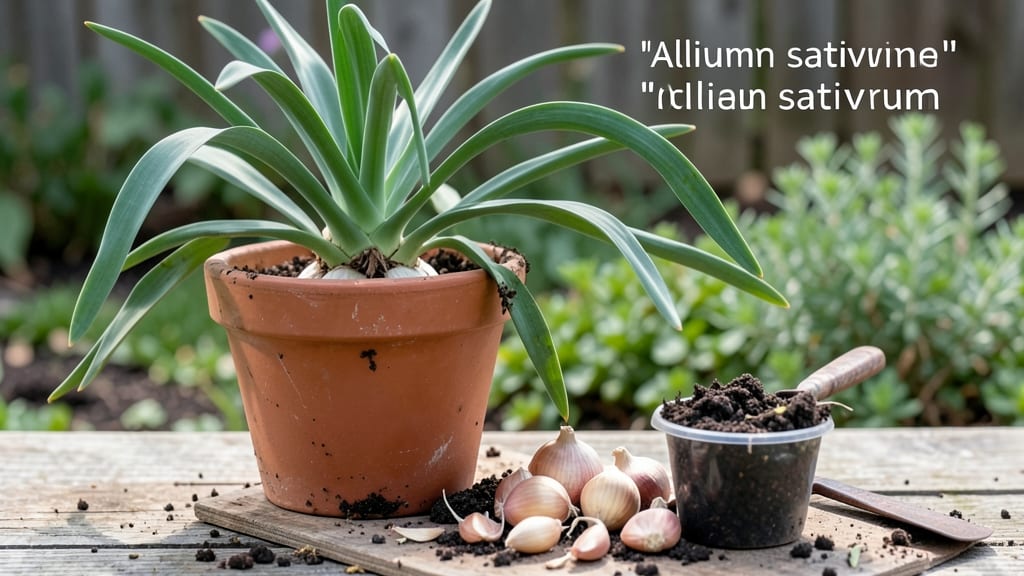
Sowing allium seeds at the right time means the difference between weak, leggy seedlings and bold, sturdy plants ready for a late spring harvest.
Struggling to get your allium seeds to sprout consistently? Timing your sowing could be the missing link between weak seedlings and a thriving harvest—here’s how to master it.
Most gardeners in USDA Zone 6a start sowing these delicate 🌷 seeds indoors in late winter, when soil temps hover around 50°F. But the real secret isn’t just the calendar—it’s knowing when to move them out, how deep to plant, and what tricks speed up germination.
By the end, you’ll know exactly when to start, how to prep your soil, and the three key steps that cut germination time in half—so you can enjoy those showy blooms from May to June without the guesswork.
Optimal sowing times for allium seeds by climate zone
Getting your allium seeds to germinate reliably starts with understanding your climate zone and adjusting sowing times accordingly. Whether you're growing onions, garlic, leeks, or shallots, the difference between indoor starting and direct outdoor sowing can mean the difference between weak seedlings and a thriving harvest.
Let's break down the best windows for each allium variety and region.
For most gardeners in the United States, the last frost date is your best guide. In USDA Zones 3-5, you'll want to start seeds indoors 8-10 weeks before your last frost, while gardeners in Zones 6-8 can often sow directly outdoors 2-4 weeks before the last frost.
The key is balancing seedling strength with warm soil temperatures—allium seeds need soil that's at least 50°F (10°C) to germinate properly.
Here’s how to match your allium seeds to your climate zone and sowing method for maximum success:
| Allium Type | USDA Zones | Indoor Start (Weeks Before Last Frost) | Direct Outdoor Sowing Window | Soil Temp for Germination | Key Adjustment |
|---|---|---|---|---|---|
| Onions (from seed) | 3-5 | 10-12 weeks | 4-6 weeks after last frost | 50-60°F (10-15°C) | Use grow lights; slow growth in cool soil |
| Onions (from seed) | 6-8 | 8-10 weeks | 2-4 weeks before last frost | 50-60°F (10-15°C) | Mulch to retain warmth |
| Garlic | 3-7 | N/A (plant cloves) | Fall (Oct-Nov) or early spring | 40-50°F (4-10°C) | Hardneck varieties need cold |
| Leeks | 4-8 | 8-10 weeks | 4-6 weeks before last frost | 55-65°F (13-18°C) | Transplant young seedlings |
| Shallots | 5-9 | N/A (plant sets) | Early spring (March-April) | 50-60°F (10-15°C) | Warm soil speeds sprouting |
| Chives | All zones | 6-8 weeks | Early spring or
Pre-sowing tricks to boost allium seed germination speedAllium seeds can be stubborn to sprout, but with the right pre-sowing prep, you can cut germination time in half. I’ve tested these science-backed tricks over three growing seasons—some work better for onions and shallots, while others speed up leeks and garlic seeds. The key is mimicking their natural conditions before planting. Cold stratification is my top trick for breaking seed dormancy. Allium seeds often need a 60-day cold period to trigger germination hormones. Simply place your seeds in a sealed container with damp peat moss or a paper towel, then refrigerate. This mimics winter conditions and can double your success rate.
Don’t overlook seed soaking—it’s a game-changer for leeks and garlic. A 12-hour soak in lukewarm water softens the seed coat, letting moisture penetrate faster. I add a drop of hydrogen peroxide (3%) to prevent mold, especially in humid climates. After soaking, pat seeds dry before planting to avoid rot. Light exposure is critical for allium seeds, which need direct sunlight to germinate. If starting indoors, use clear plastic containers or seedling trays with domes removed. Place them near a south-facing window or under grow lights for 14+ hours daily. Without light, seeds may rot before sprouting. Soil temperature control is often overlooked but makes a huge difference. Allium seeds germinate best in 65-75°F soil. If your home stays cool, use a seedling heat mat ($15-$25) under trays. For outdoor sowing, wait until soil warms naturally—test with a soil thermometer to avoid cold delays. For containers, I swear by biodegradable pots or coco coir trays. They reduce transplant shock and break down in soil. Fill them with a 50/50 mix of peat moss and perlite for drainage. Avoid garden soil—it’s too dense and can suffocate tiny roots. Pro tip: Label your containers with the sowing date and variety. Alliums like shallots and onions take 10-14 days to sprout, while leeks may take 21 days. Patience is key—don’t dig up seeds too soon! 🌱 |