Vegetables
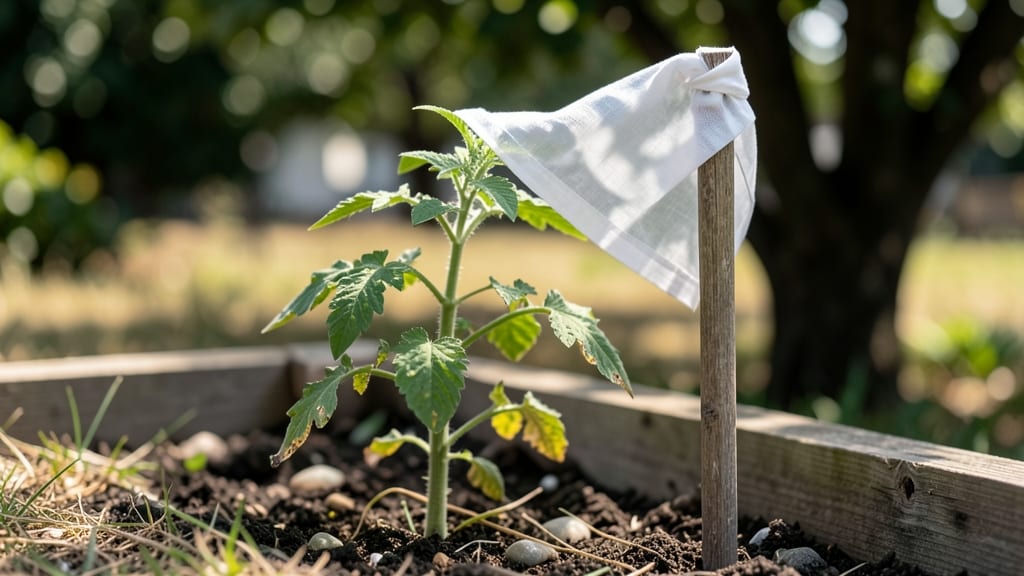
Is your tomato seedling sunburn causing white blisters or yellow patches? That’s sunburn, and it’s easier to fix than you think. ✨ I’ve nursed back dozens of scorched seedlings using just three simple adjustments—no fancy equipment needed.
The key is understanding how fast-moving shade and water work together to save your plants.
Sunburn happens when seedlings go from cozy indoor light to harsh afternoon sun too quickly. Those white patches aren’t just ugly—they slow growth and can even trigger bolting (when plants flower too early).
The good news? A little shade cloth, consistent watering, and a gradual move outside can turn them around in days.
You’ll see new green growth within a week of proper care, and those blisters will fade. The best part? Once you’ve fixed one batch, you’ll spot the warning signs early next time—no more wasted seedlings. Here’s exactly how to bring them back to full strength.
Works for both indoor-started and store-bought seedlings, and the same fixes prevent future damage. Let’s get those plants thriving again—without losing your cool over a little sun exposure.
How Sun Damages Young Plants
Tomato seedlings are delicate when young, and their tender leaves and stems lack the protective pigments and waxy cuticles that mature plants develop. When exposed to intense sunlight—especially during hot, dry conditions—they can suffer from what gardeners call "sunburn."
But why does this happen? Let’s break down the science behind the damage and how environmental factors turn your seedlings into crispy, blistered casualties. 🌞🔥
Sunburn in tomato seedlings isn’t just about UV rays—it’s primarily a thermal shock problem. When temperatures rise above 85°F (29°C), the seedlings’ cells struggle to regulate their internal temperature. Their thin, water-rich tissues absorb heat rapidly, causing:
- Cell membrane breakdown: Heat disrupts the phospholipid bilayer in cell walls, leading to leaky cells that can’t retain moisture or nutrients. Think of it like a balloon overinflating and popping—except here, your seedling’s cells literally burst.
- Protein denaturation: Enzymes (like RuBisCO, critical for photosynthesis) unfold under heat, losing their function. This halts growth and triggers stress responses that redirect energy toward survival instead of leaf expansion.
- Water loss acceleration: Heat increases transpiration (water evaporation through stomata), drying out seedlings faster than their roots can replenish moisture. The result? Wilting, bleached patches, and necrotic (dead) tissue.
Pro tip: 🌡️ Seedlings in direct midday sun (10 AM–4 PM) during summer can see leaf temps soar to 120°F (49°C)—hot enough to cook them! Even partial shade can drop temps by 10–15°F (5–8°C), buying them critical time to recover.
While UV rays don’t penetrate as deeply as heat, they damage DNA and cell structures in seedlings’ exposed tissues. Unlike mature tomatoes, which develop protective anthocyanins (the red/purple pigments) under stress, seedlings lack these defenses. Here’s how UV burns them:
- DNA strand breaks: UV-B radiation causes thymine dimers—bulky kinks in DNA that block replication. The seedling’s cells can’t divide properly, leading to stunted growth or deformed leaves.
- Chloroplast destruction: UV light degrades chlorophyll and damages the thylakoid membranes in chloroplasts (where photosynthesis happens). White or yellow patches appear as chlorophyll bleaches out.
- Oxidative stress: UV exposure triggers reactive oxygen species (ROS), which act like microscopic rust, breaking down lipids and proteins. This accelerates aging in cells, causing premature senescence (the seedling “gives up” faster).
Pro tip: 🔍 If your seedlings develop silvery-white or translucent patches (like a sunburned human shoulder), it’s a classic sign of UV damage. Lace fabric shade cloth (30–50% block) filters 50% of UV while still allowing light for growth.
Sunburn and drought often go hand-in-hand for seedlings. When soil dries out, roots can’t supply enough water to cool the plant via transpirational cooling. The combination of heat + dehydration creates a vicious cycle:
- Reduced turgor pressure: Plant cells rely on water to stay rigid. Without it, leaves wilt, reducing their surface area to absorb sunlight—and trapping even more heat.
- Nutrient transport shutdown: Water moves minerals like potassium and calcium through the xylem. When dehydrated, these nutrients can’t reach growing tissues, leading to blistering or cracked stems.
- Root stress signals: Drought triggers abscisic acid (ABA), a hormone that closes stomata (pores) to conserve water. But this also traps heat inside leaves, cooking them from within.
Pro tip: 💦 Check soil moisture daily in full sun—stick your finger 1 inch deep. If it’s dry, water deeply in the early morning (before 9 AM) to give roots time to absorb moisture before the sun peaks. Mulch with straw to lock in humidity.
Tomato seedlings grown indoors or in shaded greenhouses are not hardened off for direct sun. Their leaves evolve in low-light conditions with:
- Thinner cuticles: Mature plants develop a waxy layer to reflect sunlight; seedlings have almost none, making them highly permeable to heat and UV.
- Lower pigment production: Carotenoids and anthocyanins (which protect against light stress) ramp up only after gradual sun exposure. Sudden full sun triggers a photosynthesis feedback loop:
- 1. Excess light → Overproduction of chlorophyll.
- 2. Chlorophyll absorbs too much energy → Free radicals form.
- 3. Cells burn out from oxidative damage.
- Weak root-to-shoot ratio: Seedlings prioritize leaf growth over roots. Without a robust root system, they can’t uptake enough water to offset sun stress.
Pro tip: 🌿 Hardening off takes 7–10 days. Start with 2 hours of morning sun/day, then gradually increase to full sun by day 7. Use a cloche or row cover to filter harsh afternoon rays during this period.
Quick Fixes for Sun-Stressed Seedlings
Tomato seedlings can look like they’ve been through a sauna when sunburn strikes, but don’t worry—these practical, step-by-step solutions will help them recover fast. Below, we’ve matched common causes to easy fixes, plus prevention tips to keep your plants thriving.
---
Fix: Move seedlings to partial shade (like under a 30–50% shade cloth or dappled sunlight) for 5–7 days before transitioning them to full sun. This "hardening off" process strengthens their skin.
How to do it: 1. 🔥 Start slow: Place seedlings in a spot with morning sun only for 2–3 hours daily. 2. 🍳 Incrementally increase exposure: Add 1–2 hours of sun each day until they’re in full light. 3. 👨🍳 Monitor closely: If leaves turn pale or crispy, they’re still too sensitive—extend the shade time.
💡 Pro Tip: Use a reflective mulch (like white gravel or aluminum foil) around the base to deflect harsh rays without moving plants.
---
Fix: If temperatures soar above 90°F (32°C), your seedlings are at risk. Cool them down with these methods:
| Method | How to Apply | Best For | |--------------------------|------------------------------------------|-------------------------------| | Misting | Lightly spray leaves early morning | Small seedlings | | Shade Cloth | Drape 30–50% shade fabric over plants | Greenhouses or direct sun | | Evening Watering | Water deeply at dusk to cool soil | Potted or in-ground seedlings | | Row Covers | Use floating row covers for extra protection | Garden beds in peak heat |
✨ Extra Help: Place a fan on low near seedlings to improve airflow and reduce heat stress.
---
Fix: If sunburn has already caused blistered or crispy patches, prune the affected areas to prevent further damage.
Step-by-step: 1. 🔪 Snip carefully: Use sterilized scissors to cut just above a healthy leaf node (where new growth emerges). 2. 🥘 Avoid over-pruning: Never remove more than 1/3 of the foliage at once—this stresses the plant further. 3. 🌿 Boost recovery: Apply a light layer of compost tea or diluted seaweed fertilizer to help healing.
🎯 Prevention Tip: After pruning, avoid watering leaves directly—use a soaker hose at the base instead to prevent fungal issues.
---
Stop sunburn before it starts with these long-term strategies:
- 🌡️ Time your planting: Start seeds 4–6 weeks before the last frost (not too early!) so seedlings mature before scorching heat arrives. - 🥗 Choose heat-tolerant varieties: Look for ‘Heatmaster,’ ‘Solar Fire,’ or ‘Arkansas Traveler’—these tomatoes handle sun better. - 💪 Strengthen seedlings indoors: Before transplanting, grow under grow lights (not direct sun) to build resilience. - 🌿 Mulch heavily: Use straw or grass clippings to keep soil cool and retain moisture.
--- Final Note: Sunburned seedlings can bounce back in 1–2 weeks with proper care. If you catch it early, they’ll grow stronger—and next season, they’ll be sun-proof! 🌿☀️
Frequently asked questions
What do sunburned tomato seedlings look like?
Sunburned seedlings show white, yellow, or translucent patches on leaves that feel crispy or papery to the touch. You may also see stunted growth or blistered areas where cells have burst. Unlike nutrient deficiencies (which cause uniform discoloration), sunburn appears in irregular, sun-exposed spots.
Can my tomato seedlings recover from sunburn?
Yes! With proper care, seedlings can recover in 1–2 weeks. Move them to partial shade, increase watering (especially in the morning), and prune damaged leaves. Avoid full sun until new growth appears. The key is preventing further stress while they heal.
How do I harden off seedlings to prevent sunburn?
Start by placing seedlings in morning sun only (2–3 hours/day) for 3–5 days, then gradually add 1–2 hours of afternoon sun over 7–10 days. Use 30–50% shade cloth during peak hours (11 AM–3 PM) to ease the transition. Avoid moving them to full sun too quickly!
Will shade cloth work for potted tomato seedlings?
Drape lightweight shade cloth (30–50% block) over pots or use a breathable fabric row cover. For extra protection, place pots in dappled shade (like under a tree) or move them to a north-facing window during peak sun hours. Just ensure airflow remains good to prevent humidity-related issues.
Can I use household items to protect seedlings from sun?
Yes! Try these quick fixes: Use white plastic milk jugs (cut in half) as mini greenhouses, drape a light cotton sheet (50% shade), or place a white tray under pots to reflect light upward. Avoid dark materials—they absorb heat and worsen the problem. Test any DIY solution on a small area first.