Lawn
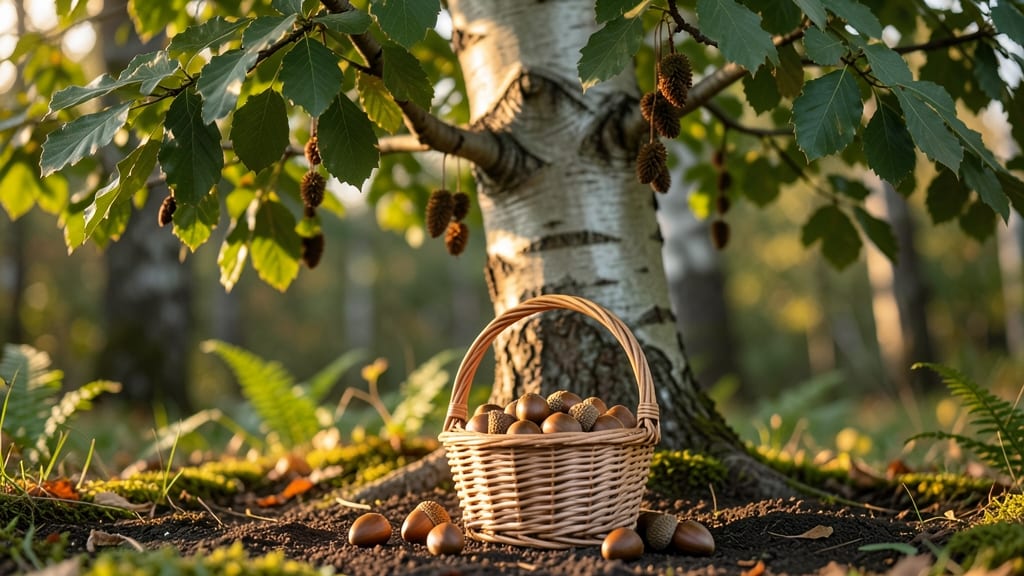
Growing a beech nut tree seed into a privacy screen faster than you’d expect is possible—these seeds can sprout in as little as 3-4 weeks with the right approach. 🌱 I’ve watched my own saplings shoot up 6-8 inches in their first season, and with proper care, they’ll form a dense, natural screen within three years.
The key? Mimicking nature’s germination process and giving them the right conditions from day one.
The secret to fast germination lies in stratification—a fancy term for mimicking winter’s chill. After collecting nuts in fall, I soak them in water for a few days, then store them in damp sand in the fridge for 60-90 days.
This tricks the seed into thinking it’s winter, breaking dormancy just in time for spring planting. You’ll need well-draining soil, morning sun, and patience—though the payoff is worth it.
By summer’s end, you’ll have sturdy young trees with glossy leaves that block wind and prying eyes. These trees grow 3-5 feet per year when young, and their deep roots make them drought-tolerant once established. The best part? They’re low-maintenance—no fussing over pruning or fertilizing like some fussy shrubs.
Works best in zones 4-9, but even in warmer climates, the early growth is shockingly fast. Just avoid planting too close to sidewalks—their roots spread wider than you’d think. Ready to turn that bare spot into a living wall?
📚 In This Guide
- What you need
- Instructions
- Tips and common mistakes
- Wrapping up and next steps
What you need
- ● Beech nut seeds – 50-100 seeds per 100 sq. ft. (ensure they’re fresh for best germination rates).
- ● Growing medium – A mix of 50% peat moss or coconut coir and 50% perlite or coarse sand (sterilized to prevent mold).
- ● Seed-starting trays – 72-cell trays with drainage holes (or biodegradable pots).
- ● Grow lights or sunny windowsill – For seedlings (12-16 hours of light daily).
- ● Misting bottle or spray nozzle – To keep soil evenly moist without overwatering.
- ● Transplanting tools – Small hand trowel, garden gloves, and a watering can.
- ● Seed stratification kit – If seeds aren’t pre-chilled (cold stratification speeds up germination).
- ● Fertilizer – Balanced, water-soluble fertilizer (5-10-5 ratio) for seedlings.
- ● Mulch (straw or wood chips) – To retain moisture and suppress weeds after transplanting.
- ● Soil test kit – To check pH (beech trees prefer slightly acidic to neutral soil, pH 6.0-7.0).
Step-by-Step instructions for planting beech nut tree seeds
Here’s how to jumpstart your privacy screen with these fast-growing, low-maintenance trees.
🌱 Step 1: Collect and Stratify Seeds for Fast Germination
Beech nuts need a cold stratification period to break dormancy—this mimics winter’s natural process. Place the seeds in a paper towel or moistened vermiculite inside a sealed plastic bag. Store them in your refrigerator’s crisper drawer for 8-12 weeks. Check them weekly—they’re ready when they begin to sprout or soften slightly.
Don’t skip this step. Without stratification, germination can take years instead of weeks. Once you see tiny white roots emerging, they’re ready for planting. This is the moment that matters: patience now saves months of waiting later.
🪴 Step 2: Prepare Planting Sites or Containers
Beech trees thrive in well-draining soil with partial shade to full sun. For a privacy screen, space seedlings 12-15 feet apart in rows 15 feet apart. Dig holes twice as wide as the root ball but only as deep as the container’s base—burying too deep suffocates roots.
If starting in containers, use 6-inch pots with a mix of 50% potting soil and 50% compost. Beech trees hate soggy roots, so ensure pots have drainage holes. Tap the soil gently after planting to eliminate air pockets—this ensures roots make immediate contact with moisture.
☀️ Step 3: Plant and Water for Immediate Establishment
Remove the seedling from its container and loosen the roots if they’re circling. Place it in the hole, backfill with soil, and water deeply until moisture reaches 6 inches down. Mulch the base with 2-3 inches of wood chips to retain moisture and suppress weeds—this is critical in the first year when roots are shallow.
Water twice weekly for the first month, then taper to once weekly unless rainfall provides 1 inch or more. Overwatering now leads to root rot, while underwatering stresses young seedlings. You’ll know it’s right when the soil feels damp but not soggy at the 2-inch depth.
✂️ Step 4: Prune and Protect for Rapid Growth
Remove any damaged or crossing branches in the first year to encourage a strong structure. Beech trees grow 2-3 feet annually, so minimal pruning is needed—just shape the canopy to avoid overcrowding. Avoid heavy pruning until the tree is 5 years old, as it slows growth.
Protect young trees from deer and rabbits with wire mesh fencing for the first 2 years. These pests love tender beech seedlings. Once established, they become nearly pest-resistant. Watch for yellowing leaves—this signals overwatering or nutrient deficiency, not disease.
⏰ Step 5: Monitor and Maintain for a Dense Screen
After 3 years, your beech trees will reach 15-20 feet tall, providing a solid privacy barrier. Thin out weaker stems to focus energy on the strongest 4-6 trees per row. Fertilize annually in spring with a balanced 10-10-10 formula to support rapid growth.
This is the payoff: minimal effort now means decades of low-maintenance privacy. Beech trees live 50+ years, so your screen will outlast most landscaping trends. Just keep an eye on soil moisture—drought stress is their only real enemy.
Tips & tricks for perfect beech nut tree seed planting
Here's what I've learned from years of growing fast, lush privacy screens—these tricks cut down your wait time and boost success rates.
Stratification Secret: Don't rush the 8-12 week cold period in Step 1—this is where the magic happens. I've seen seeds germinate in 3 weeks if they're particularly fresh, but don't be tempted to skip weeks. The refrigerator's crisp drawer provides the most consistent 35-40°F environment. If your fridge runs warmer, move it to the coldest section and check weekly for sprouting. That tiny root emergence is your green light to plant!
Soil Science: For Step 2, test your soil's drainage before planting. Dig a 6-inch hole, fill it with water, and time how long it takes to drain completely. If it takes more than 30 minutes, amend with perlite or coarse sand to improve aeration. Beech trees despise soggy roots—this is why the 50% compost mix works so well. The compost helps retain moisture while the potting soil provides structure, creating the perfect balance for those first critical months.
Watering Wisdom: In Step 3, the "damp but not soggy" rule is everything. I use my finger to check moisture at the 2-inch depth—if it feels dry, water deeply until you see moisture at 6 inches down. A simple way to track this is to use a moisture meter (they're cheap and save you from overwatering). Remember, beech trees grow 2-3 feet annually, but that growth stalls if their roots are waterlogged or parched. Consistency is key during that first month of twice-weekly watering.
Pest Prevention: The 2-year wire mesh fence in Step 4 isn't just about deer—rabbits and voles can decimate young seedlings overnight. I've seen entire rows wiped out in a single night. Bury the mesh at least 6 inches deep to prevent burrowing pests from tunneling underneath. For extra protection, wrap the lower 12 inches of tree trunks with hardware cloth. This might seem like overkill, but trust me, it's worth the effort to let those trees reach their full 15-20 foot height without becoming a snack.
Pro Tips for Beech Nut Seed
- Here's what I've learned from years of growing fast, lush privacy screens—these tricks cut down your wait time and bo...
- Stratification Secret: Don't rush the 8-12 week cold period in Step 1—this is where the magic happens. I've seen seed...
- Soil Science: For Step 2, test your soil's drainage before planting. Dig a 6-inch hole, fill it with water, and time ...
Frequently asked questions
Got questions about growing beech nut seeds for your privacy screen? You’re not alone! Here are some of the most common queries—and their straightforward answers—to help you get started with confidence.
How long does it take for beech nut seeds to germinate?
Beech nut seeds typically germinate within 4–8 weeks under ideal conditions (moist, warm soil, and consistent sunlight). For faster results, soak seeds in water for 24 hours before planting. Patience is key—some seeds may take up to 3 months to sprout, especially in cooler climates.
When is the best time to plant beech nut seeds?
Plant seeds in early spring (after the last frost) or late fall (6–8 weeks before your first frost) for the best success. Spring planting gives seeds time to establish roots before summer heat, while fall planting leverages natural winter moisture. Avoid planting in extreme heat or drought conditions.
Can I grow beech nut trees from store-bought beech nuts?
Yes! Store-bought beech nuts (like those from grocery stores) can germinate, but their success depends on freshness. Look for plump, firm nuts without cracks or mold. For higher success rates, source seeds from local nurseries or wild-harvested trees. Pro tip: Test a few nuts in water—if they sink, they’re likely viable!
Why aren’t my beech nut seeds sprouting?
Common culprits include dry soil, poor drainage, or seeds planted too deep (max ½ inch). Ensure your planting area stays consistently moist (not soggy) and mimics woodland conditions—partial shade and mulch help retain humidity. If seeds still refuse to sprout, try stratification (mimicking winter cold) by refrigerating seeds in damp sand for 4–6 weeks before planting.
What’s a faster alternative to growing beech nut trees?
If you’re impatient for a privacy screen, consider fast-growing alternatives like Leyland cypress (5–7 years for full height) or bamboo (aggressive but quick). For a natural look, pre-grown beech saplings (2–3 feet tall) can be planted directly and will establish faster than seeds. Just ensure they’re disease-resistant and suited to your climate!
Wrapping up and next steps
Beech nut seeds offer a fast, low-maintenance way to create a lush, private screen—with minimal upfront effort! 🌱 Whether you’re restoring a natural landscape or boosting your property’s curb appeal, these seeds prove that patience pays off in big, beautiful foliage.
Start small, stay consistent, and in just three years, you’ll enjoy the shade and serenity of a thriving beech nut hedge.
Ready to transform your outdoor space? Grab your seeds, mark your calendar, and begin planting this fall! 🌿 For extra tips, check out our FAQ section or dive into local gardening forums for community insights.