
Flowers
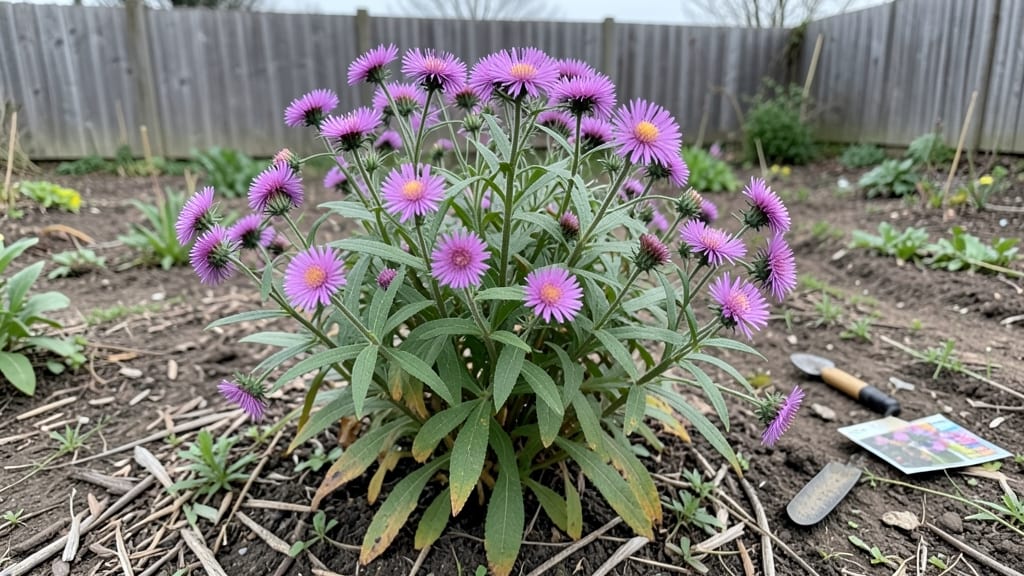
Sowing autumn flowers seeds now means your garden will still be bursting with color when most plants have called it quits. 🌿 I’ve grown these late-season bloomers for years, and the right varieties—like cosmos, asters, and snapdragons—can transform a fading garden into a vibrant fall showcase.
The key is starting them at the perfect time, usually 12-16 weeks before your first frost, so they bloom just as summer’s last flowers are saying goodbye.
You’ll need well-draining soil, a sunny spot (at least 6 hours of light daily), and a little patience—these seeds take longer to germinate than spring varieties. Most thrive in average garden soil, but adding a handful of compost at planting gives them a strong start.
Once up, they’re low-maintenance, needing only occasional watering and deadheading to keep blooms coming until hard frost.
By late September, you’ll have clusters of deep purples, fiery oranges, and creamy whites drawing bees and butterflies long after other gardens have gone quiet. The best part?
These flowers often self-seed, so next year’s garden might just paint itself. Let’s pick the perfect varieties for your climate and get those seeds in the ground.
Works for both in-ground beds and containers, and even urban gardeners can grow these on patios or balconies. Here’s how to choose the right mix for your space and extend your blooming season effortlessly.
📚 In This Guide
- What you need
- Instructions
- Tips and common mistakes
- Wrapping up and next steps
What you need
- ● Autumn flowers seeds: Choose 2–4 varieties (e.g., Cosmos, Marigold, Sunflower, or Zinnia) for a vibrant mix. Buy 1–2 packets per type (typically 500–1,000 seeds per packet).
- ● Seed-starting trays or biodegradable pots: 50–100 cell trays or 3–4 inch pots (1–2 per seed type).
- ● Seed-starting mix: 1–2 bags of lightweight, sterile potting soil (avoid garden soil—it’s too dense!).
- ● Watering can or spray bottle: With a fine mist nozzle for gentle hydration.
- ● Grow lights or a sunny windowsill: 6–8 hours of light daily (or a grow light kit if indoors).
- ○ Fertilizer (optional but helpful): A balanced 5-10-5 or 10-10-10 liquid fertilizer for seedlings.
- ● Gloves: A pair to protect your hands from soil and thorns (e.g., Cosmos or Sunflowers).
- ● Plant labels: Small stakes or markers to track seed types (especially if mixing varieties!).
- ○ Heat mat (optional): For faster germination in cooler climates (set to 70–75°F).
- ● Transplanting tools: A small trowel or spoon for moving seedlings outdoors.
- ● Mulch or compost: To enrich garden soil after transplanting (1–2 bags for a small garden).
Step-by-Step instructions for planting autumn flowers seeds
Transform your garden into a fall masterpiece with these easy steps—your seeds will bloom in just 3 months!
🌱 Step 1: Choose the Right Seeds and Prep the Soil
Pick autumn-blooming varieties like cosmos, sunflowers, or marigolds—they thrive in cooler weather and add vibrant pops of color. I always check the seed packet for days to maturity, ensuring they’ll bloom in time for fall. Clear any weeds or debris from your planting area, then loosen the top 6 inches of soil with a garden fork to improve drainage and root growth.
Mix in 2-3 inches of compost (if available) to enrich the soil with nutrients. Autumn flowers love well-draining soil, so if your garden holds water, add a handful of perlite or sand to lighten the mix. This step ensures your seeds won’t rot in soggy soil—something I learned the hard way with my first batch of cosmos!
💧 Step 2: Sow Seeds at the Correct Depth and Spacing
Read the seed packet for exact depth—most autumn flowers go ¼ to ½ inch deep. I use my finger to make small holes, then drop 2-3 seeds per spot (they’re not always perfect germinators). Space them according to the packet’s guidelines; cosmos, for example, need 12-18 inches apart, while smaller flowers like snapdragons can go 6-8 inches apart. Overcrowding leads to weak stems and fewer blooms.
Cover the seeds lightly with soil, then water gently with a fine-mist spray bottle to avoid displacing them. Keep the soil consistently moist (not soggy) until germination—usually 7-14 days. Place a small marker near each row to track progress, especially if you’re planting multiple varieties. This prevents confusion later when tiny sprouts start popping up!
☀️ Step 3: Provide Sunlight and Water Consistently
Most autumn flowers need full sun (6+ hours daily) for strong growth and vibrant blooms. If your garden gets afternoon shade, opt for varieties like pansies or sweet alyssum, which tolerate partial shade. I place a sun gauge (a simple stick marked with hours) near my plants to track sunlight—it’s a game-changer for adjusting placement if needed.
Water deeply once a week (or more in hot, dry spells) to encourage deep root growth. The top 2 inches of soil should feel dry before watering again. Avoid wetting the leaves to prevent fungal diseases like powdery mildew. Mulch around plants with 2 inches of straw or shredded leaves to retain moisture and suppress weeds—this saves time and keeps soil temperatures stable.
✂️ Step 4: Thin Seedlings and Support Tall Varieties
Once seedlings reach 2-3 inches tall, thin them to the strongest plant per spot, using scissors to snip weak stems at soil level. This might sound harsh, but it prevents competition for nutrients and gives your remaining plants room to thrive. For tall varieties like sunflowers, install stakes or cages early to support their weight—waiting until they’re top-heavy leads to flopping stems.
Pinch back the tips of leggy seedlings to encourage bushier growth. You’ll see new side shoots form within 1-2 weeks, and your plants will fill out faster. Deadhead spent blooms regularly to redirect energy into new flowers. This simple habit keeps your autumn display looking fresh and extends the blooming season by 2-3 weeks!
🌿 Step 5: Protect from Frost and Harvest Seeds for Next Year
As temperatures drop, monitor the forecast and cover tender plants with frost cloth on chilly nights. Most autumn flowers tolerate light frosts, but a hard freeze will kill them. I’ve found that marigolds and cosmos are the hardiest—perfect for late-season color. Harvest seeds from your healthiest plants by late fall: let a few blooms dry on the stem, then collect the seed heads and store them in a cool, dry place for next year.
Pull up any remaining plants after the first frost, compost them, and note which varieties performed best. This helps you refine your planting plan for next autumn. With these steps, you’ll have a vibrant, low-maintenance fall garden that turns heads—and maybe even inspires your neighbors to try it too!
Tips & tricks for perfect autumn flower planting
Here's how to turn your fall garden into a showstopper without the guesswork—these tricks ensure your seeds grow into vibrant blooms every time!
The Seed Packet Knows Best: Always follow the planting depth and spacing guidelines on the packet—those numbers aren't just suggestions! For example, cosmos seeds need that full 12-18 inches apart to prevent overcrowding. I once planted mine too close, and the stems grew weak and leggy. Trust me, the packet's right about spacing!
Watering Wisdom: That "consistently moist" rule in Step 3 means your finger should sink about 1 inch into the soil without hitting dryness. I use a simple trick: water in the morning so the soil has all day to dry slightly, preventing fungal issues. And never water from above—use a gentle spray bottle or water at the base to keep leaves dry and prevent mildew.
Sunlight Secret: If your garden gets less than 6 hours of sun, don't despair! Plant shade-tolerant varieties like pansies or sweet alyssum in those spots. I've even had success with cosmos in partial shade—they just might need a little extra time to bloom. Mark your sunniest spots with sticks or flags so you can adjust your planting plan if needed.
Thinning Made Easy: When it's time to thin seedlings in Step 4, use clean scissors to snip at soil level rather than pulling. This prevents disturbing the roots of your remaining plants. I like to do this on a cloudy day—the seedlings are less stressed, and you won't shock them with bright sunlight after handling. Plus, you'll avoid the heartbreak of pulling out a plant you've grown attached to!
Pro Tips for Autumn Flowers Seeds
- Here's how to turn your fall garden into a showstopper without the guesswork—these tricks ensure your seeds grow into vibrant blooms every time!
- The Seed Packet Knows Best: Always follow the planting depth and spacing guidelines on the packet—those numbers aren't just suggestions!
- Watering Wisdom: That "consistently moist" rule in Step 3 means your finger should sink about 1 inch into the soil without hitting dryness.
Frequently asked questions
Got questions about growing autumn flowers from seeds? You’re not alone! Here are some of the most common queries—and their simple solutions—to help you nail that fall color without the stress.
When is the best time to plant autumn flower seeds?
Timing depends on your climate and flower type. For most cool-season blooms (like cosmos, asters, or pansies), plant seeds 8–10 weeks before your first frost. In warmer zones, start in early fall (September–October). Check seed packets for specific guidelines—some varieties, like snapdragons, need a head start indoors 6–8 weeks before transplanting.
How long does it take for autumn flowers to bloom from seed?
Patience pays off! Most autumn flowers sprout in 7–21 days, but blooming varies:
- Fast bloomers: Cosmos (6–8 weeks), zinnias (6–10 weeks)
- Moderate: Asters, black-eyed Susans (8–12 weeks)
- Slower: Pansies, sweet alyssum (10–14 weeks)
Why aren’t my autumn flower seeds germinating?
Seeds need the right conditions to wake up! Troubleshoot with this checklist:
- Moisture: Soil should stay consistently damp (not soggy). Use a spray bottle for fine seeds.
- Temperature: Most autumn flowers germinate best in 60–75°F soil. If it’s too hot/cold, wait or use a heat mat.
- Light: Many seeds need light to sprout—don’t bury them too deep (usually ¼ inch max).
- Freshness: Old seeds (over 1–2 years) may fail. Test viability by soaking a few in water—if they sink, they’re likely good!
Can I grow autumn flowers in containers or small spaces?
Choose compact varieties like:
- Dwarf cosmos
- Miniature zinnias
- Trailing lobelia or sweet alyssum
Will autumn flowers survive winter, or should I replant next spring?
It depends! Perennial autumn flowers (like asters, coneflowers, or sedum) often return year after year. Annuals (cosmos, zinnias, pansies) will die with frost—save seeds or replant in spring. For a nonstop display, stagger plantings every 2–3 weeks in late summer/fall.
Wrapping up and next steps
Autumn flowers seeds bring a burst of color and joy to your garden, proving that fall can be just as stunning as spring!
Whether you're a seasoned gardener or a beginner, these vibrant blooms are easy to grow and perfect for adding warmth to your outdoor space. Start small—plant a few seeds today—and watch your garden transform in just three months!
Ready to dive in? Grab your seeds, pick a sunny spot, and let nature do the rest! 🌿🌼
- Next step: Check out our seasonal planting guide for more tips on timing and care.