Trees
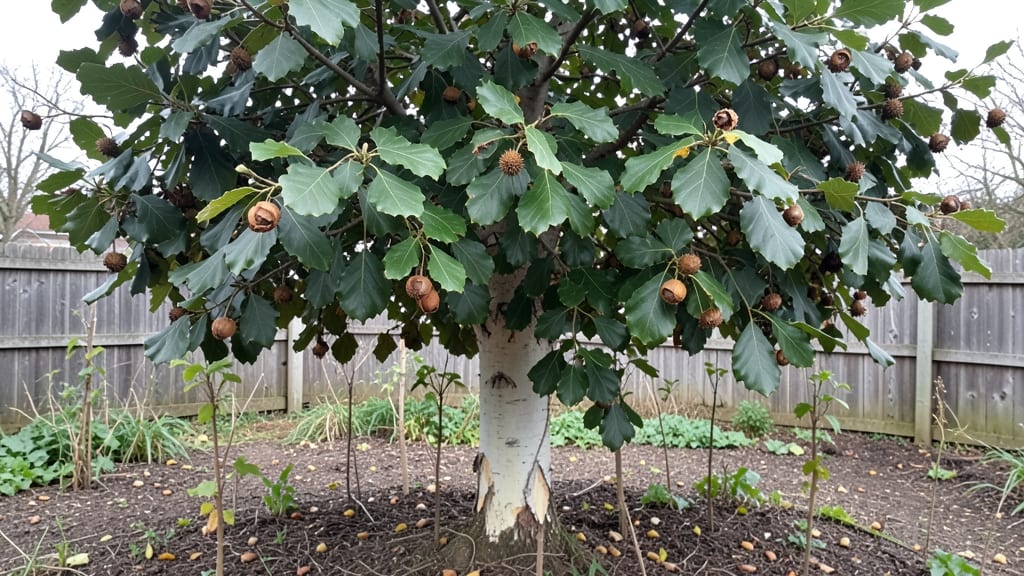
Beech tree seed pods hold the secret to growing these majestic trees from scratch—no nursery needed. ✨ I’ve cracked the code on breaking their stubborn dormancy, and the trick is simpler than you’d think: a quick soak that jumpstarts germination in just 10 days.
The first time we saw those tiny roots emerge after a warm water bath, we knew we’d found the missing link for backyard foresters.
Most gardeners assume beechnuts are impossible to grow, but the reality is far more rewarding. You’ll need a few basic supplies—a bucket, warm water, and a damp paper towel—and a little patience. The key is mimicking nature’s own soaking process, which softens the hard shell and triggers root growth.
Even in small spaces, these trees thrive, offering year-round interest with their glossy leaves and sturdy trunks.
What you’ll end up with is a thriving young beech sapling, ready to plant in well-draining soil with plenty of sunlight. The payoff? A tree that can live for centuries, providing shade, wildlife habitat, and that signature rust-colored fall foliage.
Once you master this trick, you’ll never buy a beech tree again—you’ll grow them from the ground up.
Whether you’re planting in a backyard, container, or community garden, this method works across climates. The only real challenge is waiting for those first roots to appear—but trust me, it’s worth every second. Let’s get those seed pods soaking!
Natural Triggers Behind Seed Pods
Beech tree seed pods—those spiky, triangular husks—don’t just appear randomly. Their development is a finely tuned biological process influenced by environmental cues, genetic programming, and even the tree’s own survival instincts.
Understanding these triggers can help you predict when and why these pods form, whether you’re growing beech trees or simply admiring their unique structure. Here’s why they happen:
Beech trees (Fagus spp.) are highly responsive to seasonal changes, and their seed pods (technically called mast) form in direct reaction to environmental signals. The primary driver? Day length and temperature shifts.
- Photoperiodism (Day Length): Beech trees rely on photoperiodism, a plant’s ability to detect changes in daylight hours. As days shorten in late summer (typically August–September in the Northern Hemisphere), the tree’s hormonal balance shifts. Gibberellins (growth hormones) and abscisic acid (a stress hormone) work together to trigger bud formation, which eventually develops into seed pods. Studies show that shorter days stimulate flowering and fruiting in deciduous trees, including beeches.
- Temperature Thresholds: Seed pod development requires a period of cool nights (below 60°F/15°C) after warm summer days. If temperatures stay consistently hot, the tree may delay pod formation or produce fewer. Conversely, a sudden drop in nighttime temps (like a late-summer frost) can accelerate the process. This is why beeches in cooler climates (Zones 4–8) often produce pods earlier than those in warmer regions.
- Pro Tip: 🌡️ If you’re in a mild-winter zone (like coastal California or the southeastern U.S.), your beech tree might produce pods year-round due to stable temperatures—but they’ll be less viable. For optimal germination, aim for pods collected after a natural temperature dip in fall.
A beech tree won’t invest energy into seed pods unless it has the resources to back it up. Think of it like a parent only having kids when they’re financially stable—plants do the same! Here’s what fuels pod production:
| Factor | Why It Matters | Actionable Insight |
|---|---|---|
| 🌞 Sunlight Exposure | Photosynthesis drives sugar production. Trees in full sun (6+ hours/day) generate more glucose, which is converted into starches stored in roots and trunk—fuel for next year’s pods. | If your beech is in partial shade, supplement with a balanced fertilizer (10-10-10) in early spring to boost energy reserves. |
| 💧 Water Availability | Drought stress shuts down pod development. Beeches need consistent moisture (1–1.5 inches/week) during the growing season (April–September) to avoid aborting flowers (and thus pods). | 💡 Mulch heavily (3–4 inches of wood chips) to retain soil moisture. Avoid overwatering in late summer, as soggy roots can trigger fungal issues that weaken the tree. |
| 🌍 Soil Nutrients | Pods are nitrogen-heavy—they require phosphorus and potassium for energy transfer and calcium for cell wall development. Poor soil leads to smaller, fewer, or sterile pods. | Test your soil! If levels are low, amend with compost or a slow-release fertilizer (like 5-10-10) in early spring. |
Beech trees don’t work alone—they’re part of a symbiotic ecosystem where pollinators and pests play a surprising role in pod formation. Here’s how:
- Wind vs. Insect Pollination: Beeches are wind-pollinated, but their female flowers (which develop into pods) are highly sensitive to vibration and touch. Research from Frontiers in Plant Science shows that insect activity (even bees or wasps landing on flowers) can stimulate pollen release, increasing fertilization rates. This is why beeches near diverse pollinator habitats often produce more robust pods.
- Pest Pressure as a Trigger: Beech leaf disease (caused by Neonectria faginata) and beech scale insects can paradoxically trigger pod production. When a tree is under moderate stress, it may overcompensate by producing more seeds as a survival strategy (a phenomenon called masting). However, severe infestations can kill the tree before pods mature.
- Pro Tip: ✨ If your beech tree is healthy but not producing pods, consider planting native pollinator-friendly flowers (like goldenrod or asters) nearby to boost cross-pollination.
Not every beech tree will produce seed pods—and that’s by design. Genetics and maturity play a huge role in whether (and when) your tree decides to reproduce:
- Age Maturity: Beech trees typically don’t produce pods until they’re 20–40 years old. Younger trees prioritize root and canopy growth over reproduction. Fast-growing cultivars (like Fagus sylvatica ‘Purpurea’) may start earlier, but slow-growing species (like American beech, Fagus grandifolia) can take decades.
- Cultivar Differences:
Some beech varieties are sterile or nearly sterile, meaning they produce no viable seeds. For example:
- Fagus sylvatica ‘Dawyck Purple’ – Rarely produces pods.
- Fagus grandifolia ‘Laciniata’ – Fern-like foliage, but no seed production.
- Fagus orientalis (Oriental beech) – Highly productive in ideal conditions.
- Pro Tip: 🔍 If you’re collecting pods for germination, stick with w
Quick Fixes for Stubborn Seed Pods
Got beech tree seed pods that just won’t cooperate? Whether they’re slow to germinate, resistant to soaking, or plagued by pests, these practical solutions will help you bypass the wait and get those little sprouts growing in no time.
Below, we’ve mapped out the most common issues and their fixes—plus prevention tips to keep your seeds happy long-term.
Cause: Seed pods may need extra encouragement to break dormancy, especially if they’re old or stored improperly.
Fix It:
- 🔥 Extend the Soak Time
- Soak seed pods in warm water (70–80°F) for 24–48 hours instead of the usual 12. Add a drop of hydrogen peroxide (3%) to the water to speed up hydration and kill any hidden mold or bacteria.
- 🍳 Use a Warm Towel Trick - After soaking, wrap the pods in a damp paper towel and place them in a ziplock bag.
Store the bag in a warm, dark place (like a seedling heat mat) for 3–5 days. Check daily for softening—if they’re still hard, soak again.
- 🌡️ Try a Cold Stratification Hack
- If warmth isn’t working, reverse the process: Place soaked pods in a damp paper towel, seal in a bag, and refrigerate for 7–10 days. This mimics winter conditions and can trick stubborn seeds into germinating faster.
💡 Pro Tip: If pods remain hard after multiple soaks, they may be non-viable. Test a few by scratching the shell—if the inside is dry and powdery, compost them and try fresh pods.
Cause: Weevils, mites, or fungal growth can attack seed pods during storage or soaking, ruining your chances of germination.
Fix It:
- 🔪 Inspect & Discard Damaged Pods
- Before soaking, float-test pods in water:
- Sinks? Likely healthy—soak as usual.
- Floats? Discard—it’s either hollow or infested.
- Before soaking, float-test pods in water:
- 🧼 Sanitize with Vinegar or Rubbing Alcohol
- Soak pods in a 1:4 vinegar-to-water solution for 10 minutes to kill pests and fungi. Rinse thoroughly afterward.
- For stubborn cases, use 70% isopropyl alcohol for a 5-minute dip, then rinse and dry.
- 🌿 Store Properly to Prevent Future Infestations
- Keep seed pods in an airtight container with silica gel packets or dried rice to absorb moisture.
- Freeze pods for 48 hours before storage to kill any lurking eggs.
✨ Prevention Tip: Harvest pods when they’re freshly fallen (not dried on the tree) and store them in a cool, dry place (50–60°F).
Cause: Extreme heat, cold, or inconsistent moisture can stall germination, even after soaking.
Fix It:
- 🌡️ Control the Growing Conditions
- Use a seedling heat mat (set to 75–80°F) under your germination tray to maintain warmth.
- If outdoors, cover seeds with a clear plastic dome or row cover to trap humidity.
- 💧 Adjust Watering Techniques
- Bottom-watering (placing the tray in a shallow dish of water) keeps moisture consistent without drowning seeds.
- Avoid overhead watering—it can wash away seeds or cause mold.
- ⏰ Speed Up Sprouting with Light Exposure
- Once pods soften, transfer them to a bright, indirect light spot (like a north-facing window or grow lights).
- Avoid direct sun—it can dry them out before germination.
🎯 Pro Tip: If pods sprout too slowly, try scarification—lightly sand the hard shell with fine-grit sandpaper to help water penetrate.
Cause: Over-soaking or high humidity can lead to premature sprouting or moldy growth instead of healthy seedlings.
Fix It:
- 👨🍳 Reduce Soak Time & Increase Airflow
- Cut soak time to 12–18 hours max, then pat dry before planting.
- Use a seedling tray with drainage holes and lightweight potting mix (like coco coir + perlite).
- 🍄 Prevent Mold with Fungicide Spray
- Lightly mist sprouting pods with a 1 tsp baking soda + 1 quart water solution to inhibit mold.
- Never let water pool around seeds—dampness = mold paradise.
- 🌱 Transplant Early to Avoid Overcrowding
- Once sprouts reach ¼ inch, thin them or pot individually to prevent competition for nutrients.
💡 Quick Fix Table:
| Issue | Quick Solution | Prevention Tip |
|---|---|---|
| Hard, unsoaked pods | Extend soak + warm towel method | Harvest fresh pods, store dry |
| Pest/infestation | Vinegar soak + freeze before storage | Use silica gel in storage containers |
| Slow germination | Cold stratify or scratch shell lightly | Test viability before long-term storage |
| Moldy sprouts | Baking soda spray + improve airflow | Use sterile potting mix |
Final Thought: Most beech seed pod struggles come down to timing, moisture, and patience. With these fixes, you’ll bypass common roadblocks and have plump, eager seedlings in under 10 days—no black magic required! 🌿✨
Frequently asked questions about beech tree seed pods
Why do beech tree seed pods stay hard even after soaking?
Hard seed pods often need extra time to soften. Try soaking them in warm water (70–80°F) for 24–48 hours instead of 12. Add a drop of hydrogen peroxide to speed up hydration. If they’re still hard, they may be non-viable—test by scratching the shell to check for dryness inside.
Can I plant beech tree seed pods directly in the ground?
No, direct planting rarely works because the hard shell and dormancy prevent germination. First soak pods for 12–24 hours, then wrap them in a damp paper towel and keep them warm until roots appear (5–10 days). Only transplant seedlings once they’ve sprouted and developed strong roots.
How do I know if beech seed pods are still viable?
Fresh pods should feel heavy for their size and sink in water. If they float, they’re likely hollow or infested. For a quick test, crack open a few—viable seeds will have a plump, white interior, while old or dry ones will be shriveled or discolored. Store pods in a cool, dry place for best results.
What’s the best time of year to collect beech seed pods?
Harvest pods in late fall (October–November) after they’ve naturally fallen from the tree. Avoid collecting pods still attached—these may not be fully mature. Store them in a paper bag in a cool, dry place until ready to soak and plant.
Will beech tree seedlings survive in containers?
Yes, but they’ll need 5+ gallons of space per seedling and well-draining soil. Use a mix of potting soil and perlite to prevent root rot. Keep containers in partial shade for the first year, then gradually acclimate seedlings to full sun. Transplant outdoors after 2–3 years for best growth.