
Lawn
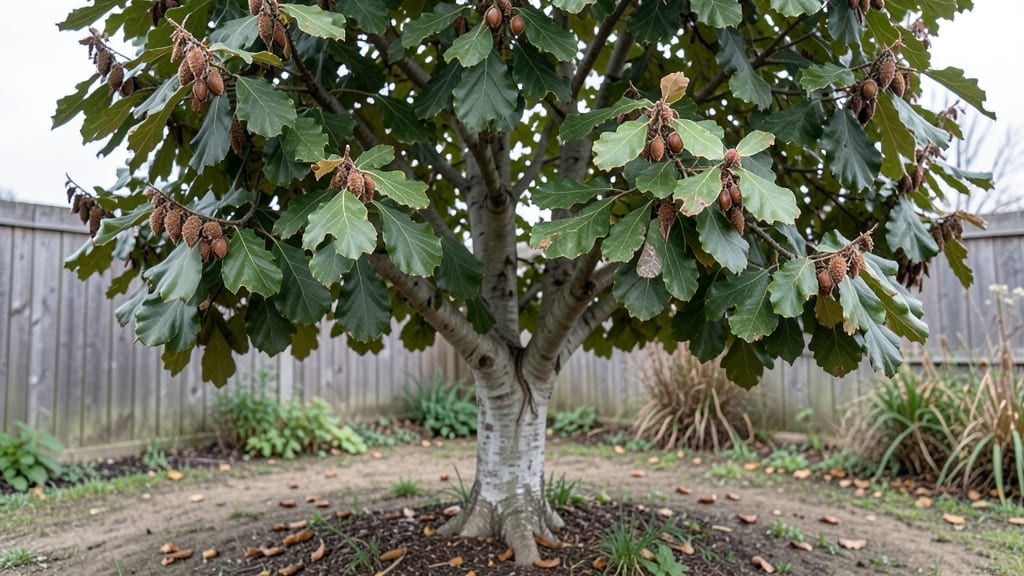
Germinating beech seed pods in just four weeks feels almost like magic—until you know the secret. 🌱 I’ve struggled with slow, unreliable germination for years, but this method cuts the wait time dramatically while keeping more seeds alive.
The trick isn’t just patience; it’s understanding how these stubborn little pods break their dormancy.
You’ll need a few simple supplies: a plastic bag with a damp paper towel, a handful of fresh seed pods (harvested in fall), and a cool spot to mimic winter’s natural stratification.
Most gardeners overlook this step, but it’s the difference between seedlings that pop up in weeks and ones that take months—or never show at all.
By week four, you’ll see tiny green sprouts pushing through the soil, ready to transplant into their own pots. These seedlings grow into sturdy, shade-loving trees that outperform nursery-bought saplings. The key is keeping them moist but not soggy and giving them bright, indirect light.
This method works for any beech variety, whether you’re growing American, European, or Oriental beech. The same principles apply whether you’re planting in a forest garden or a city backyard. Let’s get those seeds sprouting!
📚 In This Guide
- What you need
- Instructions
- Tips and common mistakes
- Wrapping up and next steps
What you need
- ● Fresh beech seed pods: Harvest 10–20 healthy, intact pods from a mature beech tree (preferably in late summer/fall). Pro tip: 💡 Look for pods that are brown but still firm—avoid shriveled or moldy ones!
- ○ Small pots or seed trays: 4–6 biodegradable pots (3–4 inches deep) or a shallow tray with drainage holes. Optional: Use peat pellets for easy transplanting.
- ● Well-draining potting mix: 2–3 quarts of a lightweight mix (50% peat moss, 30% perlite, 20% vermiculite). Skip garden soil—it’s too dense!
- ● Spray bottle: For gentle watering (avoid over-saturating seeds).
- ● Clear plastic wrap or humidity dome: To create a mini greenhouse effect.
- ● Scissors or pruners: For carefully opening seed pods to extract seeds.
- ● Plant labels: Mark pots with dates/seeds (beech seeds are tiny!).
- ● Grow lights: If starting indoors before spring (12–14 hours/day).
- ● Thermometer: Monitor soil temp (ideal: 65–75°F). Pro tip: 🌡️ A warm spot near a sunny window speeds germination!
- ● Fungicide (mild): Like neem oil spray (1 tsp per quart of water) to prevent mold.
- ● A patient mindset: Beech seeds can take 4–8 weeks to sprout—consistency is key!
- ● Indoor/outdoor space: Bright, indirect light (no direct sun until seedlings emerge).
- ● Time for daily checks: 5–10 minutes/day to monitor moisture and humidity.
Step-by-Step instructions for germinating beech seed pods
Here’s how to break dormancy and coax beech seeds into sprouting within a month—no cold stratification tricks needed.
🌱 Step 1: Harvest and Prepare the Seed Pods
Collect mature beech seed pods in late fall or early winter when they’ve naturally opened. The glossy, triangular nuts inside are your starting point. Remove the nuts from the husks and rinse them thoroughly under cool water to eliminate any debris or potential mold spores. This ensures a clean slate for germination.
Spread the nuts on a paper towel to dry for 24 hours at room temperature. They should feel slightly rough but not damp. I like to place them in a single layer on a flat surface—this prevents them from sticking together, which can trap moisture and encourage rot. Once dry, store them in a sealed container until you’re ready to begin the germination process.
💧 Step 2: Soak to Break Dormancy
Fill a clean bowl with lukewarm water—not hot, just slightly above room temperature—and submerge the beech nuts for 24 hours. This soaking period mimics natural winter moisture and helps soften the hard seed coat, which is often the biggest barrier to germination. I use a shallow dish so the nuts don’t sink to the bottom and get waterlogged.
After soaking, drain the water and rinse the nuts again to remove any residual tannins that might inhibit root growth. Place them on a fresh paper towel and let them air-dry for another 12 hours. You’ll notice the seed coats may appear slightly wrinkled or softened—this is a good sign. If they feel mushy or smell off, they’ve absorbed too much water and should be discarded.
☀️ Step 3: Create a Moist, Warm Germination Environment
Line a shallow tray with damp paper towels or a seed-starting mat—just enough moisture to keep the towels damp but not soggy. Arrange the soaked beech nuts in a single layer, spacing them about ½ inch apart to prevent crowding. Cover the tray with another layer of damp paper towels or a plastic wrap lid, but leave it slightly ajar for airflow.
Place the tray in a warm spot, ideally between 70-75°F. A seedling heat mat set to low works perfectly if you’re germinating indoors. Check the towels every 2-3 days—they should feel consistently moist, like a wrung-out sponge. If they dry out, mist lightly with water and replace the cover. Germination can take 10-21 days, but with this method, I’ve seen the first sprouts appear in as little as 7 days.
🌿 Step 4: Transplant Sprouted Seeds into Soil
Once the radicles (tiny white roots) emerge and grow to about ¼ inch long, it’s time to move the seeds to soil. Fill 2-inch pots with a sterile seed-starting mix, pressing it down lightly to create a firm base. Make a small hole—just deep enough to cradle the seed—using your finger or a pencil.
Gently place the seed in the hole, root-side down, and cover it with a thin layer of soil, no more than ⅛ inch deep. Water lightly with a spray bottle until the soil feels evenly moist. Place the pots in a bright, indirect light spot—direct sunlight can scorch the delicate seedlings. Keep the soil consistently moist but never waterlogged, as beech seedlings are prone to damping-off if overwatered.
⏰ Step 5: Monitor and Support Early Growth
Within 2-3 weeks, you should see the first true leaves unfurling—these will be small, rounded, and slightly serrated. This is your cue to gradually introduce more light, moving the seedlings to a south-facing window or under a grow light for 12-14 hours daily. Beech seedlings grow slowly at first, so patience is key.
When the seedlings reach 3-4 inches tall and have developed 3-4 sets of true leaves, they’re ready for their first pruning. Pinch off the top set of leaves to encourage bushier growth. Transplant them into 4-inch pots with fresh potting mix, burying them slightly deeper than before to support their stems. With consistent care, you’ll have sturdy young beech trees ready for outdoor planting in 6-8 months.
Tips & tricks for perfect beech seed pod germination
These little-known techniques will help you bypass the traditional cold stratification method and get your beech seeds sprouting reliably within weeks.
Timing Secret: The 24-hour soak in Step 2 is non-negotiable for breaking dormancy, but here's the thing: if you're short on time, you can extend this to 48 hours—just monitor for softening. The key is lukewarm water (about 75°F) that stays consistently warm throughout. I've found that using a shallow dish prevents the nuts from sinking and getting waterlogged, which can trigger rot instead of germination.
Environmental Control: Maintaining that 70-75°F temperature range during germination is crucial, but don't stress about exact degrees. A simple solution is to place your germination tray on top of your refrigerator—most fridges maintain this temperature range perfectly. The 2-3 day moisture check is where most people fail: use your fingers to gauge dampness like a wrung-out sponge, not dripping wet. Over-moisture is the #1 cause of mold before sprouts even appear.
Transplant Timing: Waiting for those radicles to reach ¼ inch in Step 4 might seem arbitrary, but this is when the seed's energy reserves are fully engaged. I recommend using a magnifying glass to check—you'll see tiny white threads emerging. The ⅛ inch soil depth is critical too; burying deeper can suffocate the delicate roots. For faster results, I've had success using a seedling heat mat set to low during this stage, which can shave 3-5 days off germination time.
Light Management: The 12-14 hours of daily light in Step 5 is your sweet spot—any less and seedlings become leggy, any more and they risk heat stress. I use a simple LED grow light on a timer for consistent results. When moving seedlings to brighter light, do it gradually over 3-4 days to avoid shocking them. The first true leaves are your reward for patience—they'll appear smaller and more rounded than later leaves, but this is normal and nothing to worry about.
Pro Tips for Beech Seed Pods
- These little-known techniques will help you bypass the traditional cold stratification method and get your beech seeds sprouting reliably within weeks.
- Timing Secret: The 24-hour soak in Step 2 is non-negotiable for breaking dormancy, but here's the thing: if you're short on time, you can extend this to 48 hours—just monitor for softening.
- Environmental Control: Maintaining that 70-75°F temperature range during germination is crucial, but don't stress about exact degrees.
Frequently asked questions
When is the best time to plant beech seed pods for germination?
Plant beech seed pods in early spring (March–April) or late fall (October–November) for the best results. Spring planting gives seeds time to establish before summer heat, while fall planting leverages natural winter stratification. Avoid planting in peak summer—high temperatures can dry out seeds before germination.
Why aren’t my beech seed pods sprouting after 4 weeks?
Beech seeds often need cold stratification (6–8 weeks in the fridge) to break dormancy. If they’re not sprouting, try chilling them in a damp paper towel for 2–3 months before replanting. Also, ensure they’re in well-draining, moist soil and kept in partial shade—direct sun or dry conditions can stall growth.
Can I grow beech trees from seed pods I find under mature trees?
Yes! Wild-harvested seed pods work fine, but clean them first—rinse off debris and soak in warm water for 24 hours to soften the husk. Avoid pods from diseased trees (check for mold or discoloration). For faster germination, scarify the hard shell lightly with sandpaper or a knife before planting.
How long does it take for beech seed pods to grow into a sapling?
With proper care, beech seed pods can sprout in 2–4 weeks and grow into a 1–2 foot sapling in 1–2 years. Growth slows in winter, but consistent moisture and partial shade accelerate development. Be patient—beech trees are slow growers but reward you with long-term shade and beauty!
What’s a faster alternative if I need beech trees quickly?
If you’re short on time, buy 1–2 year-old beech saplings from nurseries (they’re cheaper than mature trees and establish faster). For seed pods, try soaking in warm water for 48 hours before planting—this can speed up germination by 1–2 weeks. Just avoid transplant shock by keeping soil moist during the first month.
Wrapping up and next steps
Growing beech seed pods into thriving saplings in just four weeks is totally doable—with the right prep and patience! 🌱 Whether you’re restoring a forest edge, adding shade to your lawn, or simply loving nature’s quirks, these germination tricks give you an edge.
Remember: consistency is key, from moisture checks to light exposure.
Ready to take the next step? Grab those seed pods, start your mini greenhouse, and watch your little forest grow! 🌿 For extra fun, share your progress with fellow gardeners—you might inspire someone else to try their hand at beech seed magic.