Advice
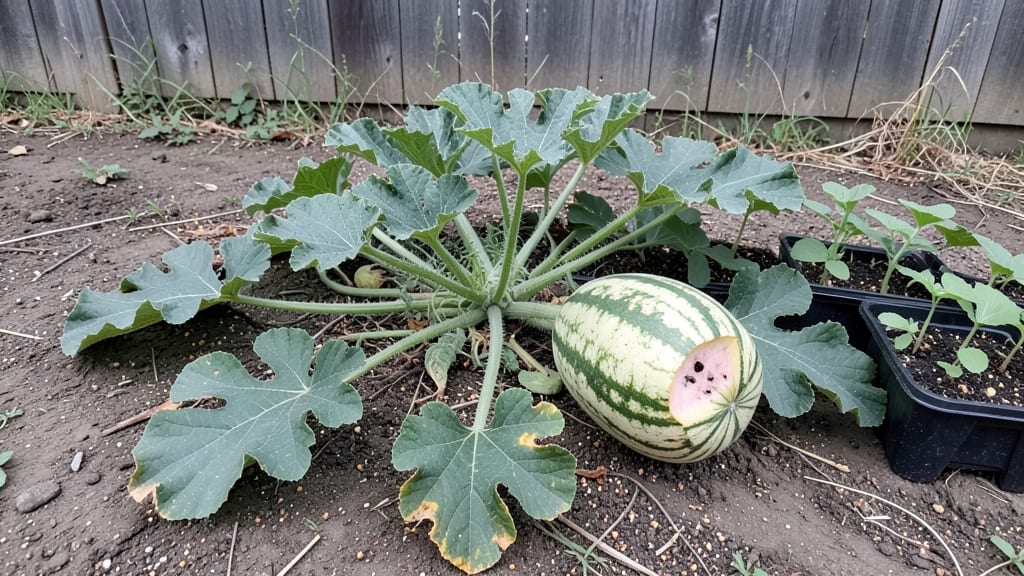
You can grow watermelons from the seeds inside store-bought fruit, but your success hinges on seed viability, the watermelon variety, and creating ideal germination conditions like warm soil and steady moisture. Most hybrid seeds won't produce fruit identical to their parent, while heirloom seeds offer better chances for true-to-type results.
Store-bought watermelon seeds often come from hybrid varieties bred for sweetness and shelf life—not necessarily for seed-saving success. 🌱 I've found that heirloom watermelons, which you might spot at farmers' markets or specialty stores, yield seeds that produce fruit closer to the original.
The key is planting in soil warmed to 75-90°F, keeping it consistently moist (but not soggy), and providing bright light from the moment sprouts appear. Many gardeners start seeds indoors 2-3 weeks before the last frost, then transplant seedlings once nighttime temperatures stay above 55°F.
One common mistake is assuming all watermelon seeds are viable—some store-bought varieties are treated to prevent sprouting. To test viability, soak seeds overnight in water: if they sink and remain firm, they're worth planting.
For best results, aim for 1-2 seeds per planting hole, spaced 3-6 feet apart depending on the variety, and use black plastic mulch to absorb heat and speed up germination. Container growers should choose compact varieties like 'Sugar Baby' and ensure pots are at least 12 inches deep.
💡 In This Article
- Watermelon Seed Viability and Germination Factors
- Best Practices for Planting Watermelon Seeds Indoors and Outdoors
Watermelon seed viability and germination factors
Here's what's actually happening with those watermelon seeds: viability depends entirely on whether they're heirloom or hybrid. Heirloom seeds, saved from open-pollinated varieties, maintain genetic stability across generations, giving you 85-95% germination success when conditions are right.
Hybrid seeds, however, are bred for specific traits like disease resistance or sweetness—but their offspring often revert to unpredictable characteristics, sometimes producing bitter or seedy fruit. The seeds themselves may still sprout, but the results won't match the store-bought parent. 🌱
Temperature is the single most critical factor for germination. Watermelon seeds need soil warmth between 75-90°F to activate enzymes that break down stored nutrients in the seed. Below 60°F, germination can stall for weeks or fail entirely.
This is why gardeners in cooler climates use black plastic mulch—it raises soil temps by 5-10°F by absorbing sunlight. Even in warm regions, nighttime temps dropping below 55°F can shock seedlings.
The moisture requirement is equally precise: soil should stay consistently damp (like a wrung-out sponge) but never waterlogged, as excess oxygen deprivation halts root development.
Light exposure kicks in only after sprouting. Seeds germinate best in darkness, but once the seedling emerges, it needs 6-8 hours of direct sunlight daily to prevent leggy, weak growth. The cotyledons (first leaves) appear within 5-10 days under ideal conditions, followed by true leaves within another 7-14 days.
What most people don't realize is that seedlings are extremely sensitive to temperature swings—even a 10°F drop can stunt growth permanently. This is why starting seeds indoors under grow lights (with 14-16 hours of light) gives them a head start before transplanting.
Testing seed viability before planting saves time and frustration. The classic float test works because viable seeds are denser: place seeds in a glass of water. After 15 minutes, sinkers are good candidates (though not 100% guaranteed), while floaters are likely non-viable.
For a more accurate test, try the paper towel method: moisten a paper towel, place seeds between two, and keep them in a sealed plastic bag at 75°F. Germination should occur within 3-7 days if seeds are fresh.
Store-bought seeds often fail this test because they're treated with fungicides or dried to extend shelf life—some varieties simply won't germinate after 6 months of storage.
One nuance worth noting is the difference between seed size and vigor. Heirloom varieties like 'Moon and Stars' produce large, plump seeds that store well, while some hybrids yield tiny, shriveled seeds that germinate poorly.
Seed size doesn't directly correlate with viability, but larger seeds often contain more stored energy for early growth. For container gardening, choose small-fruited heirlooms like 'Tiny Tim'—their seeds are easier to handle and the plants thrive in 5-gallon pots.
The key takeaway is that patience and preparation make all the difference: a 10-minute viability test now can mean the difference between a thriving vine and a failed experiment.
What most gardeners overlook is the role of soil microbes in early seedling health. Beneficial bacteria like Bacillus subtilis help break down seed coatings and make nutrients available. Adding a 1/4 cup of compost to planting holes provides these microbes while improving drainage.
The science behind this involves mycorrhizal fungi forming symbiotic relationships with roots, increasing water and nutrient uptake by up to 80%. This natural boost is why heirloom seeds often outperform hybrids—even with identical care—because their genetic diversity supports healthier soil ecosystems over time. 🌿