Diseases
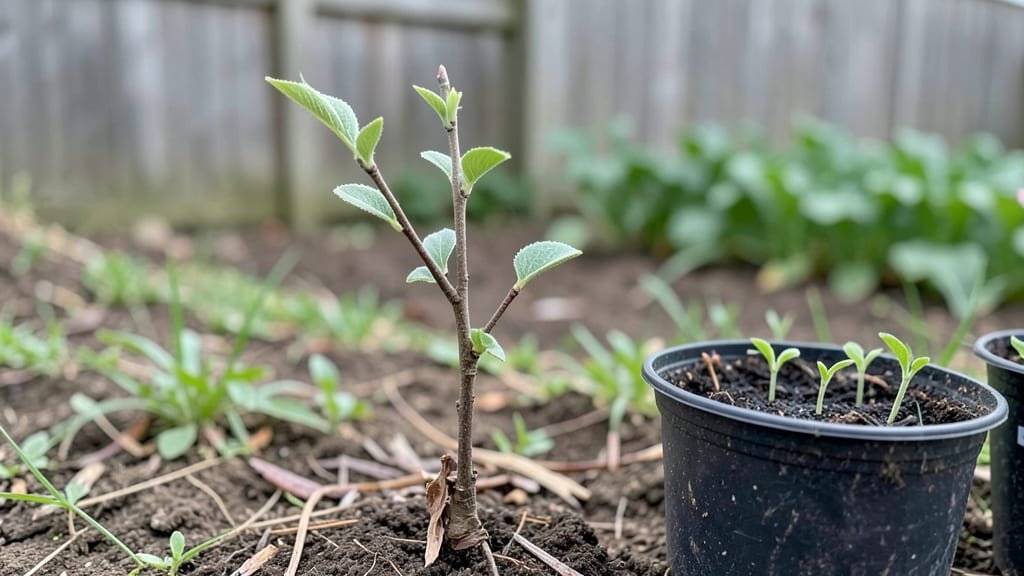
You can grow a peach tree from a peach seed, but the resulting tree will likely produce fruit that differs significantly from the parent—often with poorer quality, size, or flavor. Successful germination demands cold stratification and careful nurturing, while grafted nursery trees remain the surest path to reliable, edible peaches.
While the process of growing a peach tree from seed is fascinating, it’s more of a scientific experiment than a reliable fruit-bearing method. 🌱 The genetic variability means your seedling might develop into a tree with completely different traits—think smaller fruit, thinner flesh, or even a different ripening time.
I’ve seen gardeners successfully sprout seeds, but the wait for potential fruit can take 5-7 years, and even then, the results are unpredictable. For consistent harvests, most experts recommend starting with grafted trees from reputable nurseries.
Cold stratification—a key step—mimics winter conditions by chilling seeds for 6-8 weeks before planting. This breaks dormancy, but even with perfect conditions, seed-grown trees often struggle with disease resistance compared to their grafted counterparts.
That said, if you’re experimenting or growing peaches for ornamental value, seed-starting can be a rewarding (if unpredictable) journey.
💡 In This Article
- Peach Seed Germination Process and Success Factors
- Grafting vs Seed-Grown Peach Trees: Which Yields Fruit?
Peach seed germination process and success factors
Here's what's actually happening when you try to grow a peach tree from seed: the seed contains the embryo of a new plant, but it's not a clone of the parent tree.
Peaches are heterozygous—meaning they have two different sets of genes—so the seedling inherits a random mix of traits from both parents. This genetic lottery explains why seed-grown trees often produce fruit that's smaller, less sweet, or even completely different in color from the original peach you ate. 🌱
The first critical step is cold stratification, which mimics winter conditions by chilling the seed at 34-40°F for 6-8 weeks in moist peat moss or a damp paper towel. This breaks the seed's natural dormancy by triggering hormonal changes that prepare it for germination.
Without this step, most peach seeds simply won't sprout—even if planted in perfect soil. Once stratified, plant the seed 1/2 inch deep in well-draining potting mix and keep it in 60-70°F conditions with bright, indirect light.
Germination can take anywhere from 2-4 weeks to several months, depending on seed quality and environmental conditions. The seedling's first leaves (called cotyledons) will appear above soil, followed by true leaves after 4-6 weeks.
During this phase, maintain consistent moisture—never let the soil dry out completely, but avoid soggy conditions that can cause rot. What most people don't realize is that peach seedlings are particularly sensitive to damping off, a fungal disease that attacks young stems at soil level.
The real challenge comes when the seedling matures. Even if it survives the early stages, seed-grown peach trees often develop weaker root systems and poorer disease resistance compared to grafted varieties. Peaches are particularly susceptible to peach leaf curl and bacterial spot, diseases that can devastate unprotected trees.
The genetic variability also means your tree might flower earlier or later than expected, making pollination unpredictable. For comparison, grafted nursery trees undergo rigorous selection for disease resistance and consistent fruit quality.
Consider these key factors when attempting seed germination:
- Seed source: Choose fresh, plump seeds from organic peaches—store-bought varieties often come from irradiated fruit that won't sprout
- Soil mix: Use a blend of 50% potting soil, 30% perlite, and 20% compost for optimal drainage and nutrition
- Light conditions: Provide 12-14 hours of light daily using a grow light if natural light is insufficient
- Patience threshold: Be prepared for a 5-7 year wait before potential fruit production
While the journey has its frustrations, there's something magical about watching a seedling grow from a simple peach pit. I've seen gardeners create stunning ornamental trees this way—even if they never bear fruit.
The key takeaway is that seed-growing is more of an experiment than a reliable fruit production method, but it offers valuable lessons in plant genetics and horticultural patience. 💫