
Watering
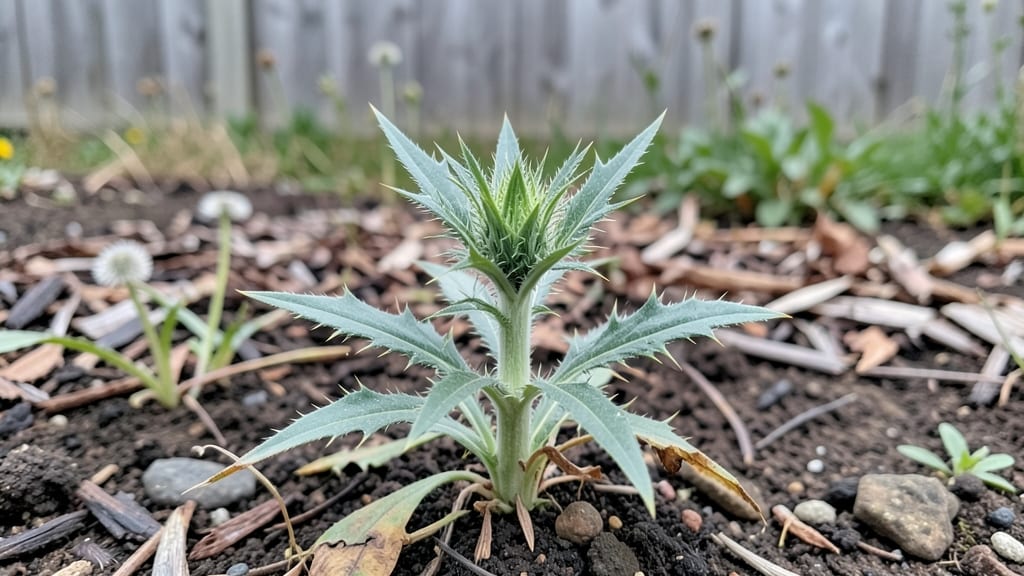
That first Canada thistle seedling looks innocent enough—until its roots take over your garden like a creeping nightmare. I’ve yanked more of these stubborn weeds than I’d like to admit, and the key to stopping them is catching them early, before those deep taproots lock in.
The moment you spot the jagged, lobed leaves clinging to your soil, grab some gloves and act fast.
Here’s the thing—these seedlings spread faster than you think. Their roots can grow 6 feet deep in a single season, and one plant can produce thousands of seeds that lie dormant for years. The good news? Manual removal works if you’re diligent.
Use a sharp spade to dig out the entire root system, then check the soil for fragments—even a sliver can regrow. For stubborn patches, spot-treat with vinegar or a targeted herbicide, but always follow label instructions.
You’ll know you’ve won when your garden stays weed-free for months, not just days. The payoff is worth the effort: fewer weeds mean more space for your flowers, veggies, or lawn to thrive without competition.
And if you’re dealing with a larger infestation, don’t panic—consistent removal over time breaks their cycle for good.
Prevention is your best tool after the first cleanup. Mulch heavily around garden beds, pull new seedlings immediately, and consider planting dense ground covers to block sunlight, which these weeds crave. It’s not glamorous work, but trust me—your garden will thank you later.
How Invasive Seedlings Spread Unchecked
Canada thistle seedlings don’t just pop up by accident—they thrive because of specific ecological and human-driven factors. Understanding these causes helps you disrupt their lifecycle before they become unmanageable. Here’s why these aggressive plants take over so easily.
Canada thistle (Cirsium arvense) seeds are lightweight and equipped with a pappus (a fluffy, parachute-like structure) that lets them hitch rides on wind, water, and even animals.
A single plant can produce 100,000+ seeds per year, and these seeds remain viable in the soil for up to 10 years. Even a tiny patch of thistle can become a seed bomb waiting to explode into a full-blown infestation.
💡 Pro Tip: Mow thistle plants before they flower (when seed heads are still green) to prevent seed production. If you see seed fluff floating in your yard, act fast—those seeds are already on the move.
What makes Canada thistle especially dangerous is its deep, creeping root system. Each root segment can regenerate into a new plant, even if severed. The roots can spread 15+ feet horizontally and grow 10 feet deep, making manual removal nearly impossible without specialized tools.
🔥 Warning: Pulling thistle by hand often leaves root fragments behind, leading to more thistles. If you’re tackling an infestation, use a shovel or root saw to cut roots at least 6 inches deep—and dispose of them properly (don’t compost!).
Canada thistle loves disrupted soil, which is why it thrives in construction sites, agricultural fields, roadsides, and even over-fertilized lawns. Human activities like:
- 🚜 Plowing or tilling—breaks dormancy and exposes seeds to sunlight.
- 🏗️ Construction or landscaping—disturbs roots and creates entry points.
- 🌱 Overwatering or poor drainage—thistles thrive in moist, compacted soil.
- 🚗 Vehicle or foot traffic—compacts soil, making it easier for seeds to germinate.
🎯 Actionable Fix: If you’re dealing with a newly disturbed area, apply a pre-emergent herbicide (like corn gluten meal) or lay down cardboard + mulch to block light and prevent germination.
Canada thistle is a cool-season weed, meaning it germinates in early spring or fall when temperatures are between 40–75°F (4–24°C). Drought stress can actually stimulate seed production, while wet springs create ideal conditions for rapid seedling growth.
🌡️ Key Timing:
- 🌱 Spring: Seedlings emerge—pull them before roots establish (they’re easiest to remove when young).
- ☀️ Summer: Mature plants store energy in roots—this is when herbicide (like glyphosate) works best.
- 🍂 Fall: Second germination wave—treat early to prevent overwintering.
✨ Bonus Strategy: In dry climates, reducing irrigation in infested areas can weaken thistle growth over time, making them easier to control.
By addressing these root causes—literally and figuratively—you can starve out Canada thistle seedlings before they become a full-blown invasion. The key? Speed and consistency.
Stopping Thistle Spread Before It’s Too Late
Canada thistle seedlings may seem small, but their invasive potential is massive. The key to preventing a full-blown infestation is early action—before those deep roots establish. Below are practical, step-by-step solutions tailored to the root causes of thistle spread, plus prevention tips to keep your yard thistle-free for good.
If you’ve spotted those jagged, lobed leaves, act fast—seedlings are easiest to remove before they develop a taproot.
🔥 Pull by Hand (Best for Small Patches)
- 👨🍳 When to do it: Early morning or after rain (soil is moist and easier to work with).
- 🔪 How to do it: Grasp the seedling as close to the base as possible and wiggle it out. Use gloves—thistle sap can irritate skin.
- ⏰ Frequency: Check your yard weekly during growing season (spring to fall) to catch new sprouts.
⚠️ Pro Tip: If the seedling resists, use a dandelion digger or hand trowel to loosen the soil before pulling. Never leave even a tiny root fragment behind—it’ll regrow!
For larger or stubborn patches, herbicides can be effective—but use them wisely to avoid harming other plants.
🎯 Best Herbicides for Thistle Seedlings:
- Glyphosate (e.g., Roundup): Spray directly on leaves (avoid drift onto desirable plants). Reapply after rain if needed.
- Triclopyr (e.g., Ortho Brush Bgon): More selective; better for spot treatment near lawns or gardens.
- 💡 Pro Tip: Mix herbicide with water in a spray bottle for precise application on small seedlings. Always follow label instructions!
✨ Prevention Hack: Apply a pre-emergent herbicide (like corn gluten meal) in early spring to block new seedlings from germinating in the first place.
If thistles have already taken root, you’ll need heavier-duty tools.
🔧 Tools to Use:
- 🌿 Hoe or Cultivator: Cut seedlings at the base before they flower (prevents seed spread).
- 🚜 Tractor-Mounted Weeder: For large infestations, a rotary hoe can uproot thistles efficiently.
- 🔥 Solarization: Cover the area with clear plastic for 4–6 weeks in summer to bake out roots and seeds.
💡 Pro Tip: Mow thistles before they flower—this weakens them and stops seed production. Bag the clippings and dispose of them properly (don’t compost!).
Once you’ve removed existing thistles, keep them from coming back with these smart habits:
- 🌱 Maintain Dense Grass: Thistles struggle to invade healthy, thick turf. Overseed bare spots in fall. - 🌡️ Mulch Garden Beds: A 3–4 inch layer of mulch blocks sunlight, preventing seed germination. - 🚫 Monitor and Repeat: Check high-risk areas (fence lines, roadsides, disturbed soil) monthly during growing season. - 🐝 Encourage Beneficial Insects: Ladybugs and parasitic wasps naturally control thistle seeds.
Plant native flowers to attract them.
✨ Bonus Tip: Smothering works too! Lay cardboard + mulch over infested areas for a season to starve out remaining roots.
Final Reminder: The best time to tackle thistles is now—before they become a yard-dominating nightmare. With consistent effort, you can reclaim your space and keep those spiky invaders at bay! 🚜💪
Frequently asked questions
How can I tell if a young plant is a Canada thistle seedling?
Look for deeply lobed, jagged leaves with spiky edges growing in a rosette pattern close to the ground. Young seedlings have hairy stems and a purple-tinged base. Unlike dandelions, thistle leaves are never smooth or spoon-shaped.
Will vinegar kill Canada thistle seedlings?
Yes, but only if you use full-strength white vinegar (5% acetic acid) and apply it directly to the leaves. Spray on a dry, sunny day and repeat every 3-5 days until the plant dies. For best results, add 1 tablespoon of dish soap per gallon to help it stick.
Why do thistle seedlings keep coming back after I pull them?
Even tiny root fragments can regrow into new plants. The roots spread horizontally up to 15 feet, so pulling alone isn't enough. Use a shovel or root saw to cut roots 6+ inches deep, then dispose of all plant material in sealed bags.
Is it safe to compost thistle plants?
Never compost thistle—even small pieces can survive and regrow. The seeds remain viable for up to 10 years in soil. Instead, bag the plants and dispose of them in yard waste or burn them if possible.
What’s the best time of year to prevent new seedlings?
Apply pre-emergent herbicide in early spring (before germination) or use mulch/cardboard to block light. Seedlings emerge when soil temps reach 40–75°F (4–24°C), so stay vigilant during spring and fall.