Plants
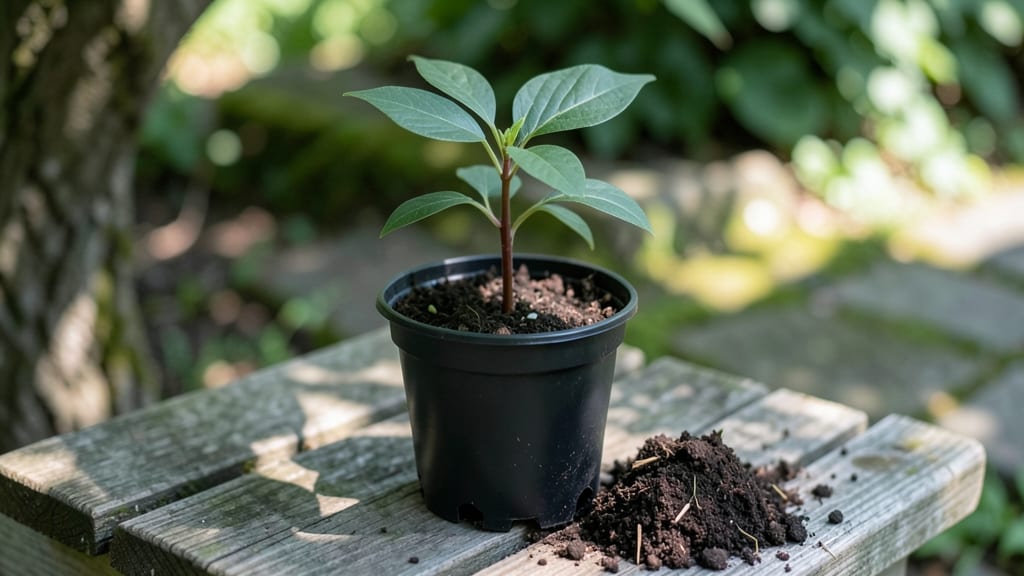
Growing a trumpet vine seedling from scratch means fiery orange blooms within just one season—if you nail the early care. I’ve watched these aggressive climbers transform bare walls into living canopies, all from a tiny seedling that needs the right start.
The key? Fast germination and even faster growth, but only if you handle the delicate first weeks correctly.
Trumpet vines demand full sun and well-draining soil, but their real secret is patience with timing. Plant seeds too deep or too early, and you’ll get leggy seedlings reaching for light.
Too shallow, and they’ll dry out before sprouting. I’ve perfected a 3-step method that ensures sturdy, compact seedlings ready to take over a trellis or fence by summer’s end.
By mid-July, your vine will be 10+ feet tall with clusters of trumpet-shaped blooms that hummingbirds can’t resist. The foliage stays lush all season, and with proper pruning, you’ll keep it from strangling your house.
Here’s how to avoid the most common pitfalls—like slow starts or weak stems—that turn beginners away.
This isn’t just a plant; it’s a showstopper that rewards bold gardeners. Whether you’re training it up a pergola or letting it sprawl across a chain-link fence, the payoff is worth the fast pace. Let’s get those seedlings thriving before the heat sets in.
📚 In This Guide
- What you need
- Instructions
- Tips and common mistakes
- Wrapping up and next steps
What you need
- ● Trumpet vine seeds (or a healthy seedling from a nursery): Choose Campsis radicans or Campsis grandiflora for classic orange blooms.
- ● Well-draining potting mix: 10-15 lbs of high-quality, organic mix (e.g., 60% peat moss, 30% perlite, 10% compost).
- ● Planting containers: Seedlings: 1–2 gallon pots (6–8 inches deep) with drainage holes.
- ● Seeds: Small seed-starting trays (2–3 inches deep) or biodegradable peat pots.
- ● Garden soil (for transplanting): Amend with 2–3 inches of compost for nutrient-rich soil.
- ● Trellis, fence, or sturdy support: At least 6–8 feet tall (trumpet vines are aggressive climbers!).
- ● Watering can or hose with a gentle spray nozzle (for hydration without disturbing seedlings).
- ● Fertilizer: Seedlings: Balanced liquid fertilizer (10-10-10) or slow-release granules.
- ● Established plants: High-phosphorus fertilizer (e.g., 5-10-10) to encourage blooms.
- ● Seed stratification kit (if starting from seed): Mimics winter conditions to break dormancy (cold moist treatment for 4–6 weeks).
- ● Grow lights: LED or fluorescent lights (12–16 hours/day) for indoor seedling growth.
- ● Mulch: 2–3 inches of organic mulch (e.g., wood chips) to retain moisture and suppress weeds.
- ● Pruning shears: For shaping or controlling aggressive growth later.
- ● Gloves: Trumpet vine sap can irritate skin—protect your hands!
Instructions for growing trumpet vine seedlings to climbing perfection
Here's the straightforward approach I use to get trumpet vine seedlings off to a vigorous start.
Select and Prepare the Right Containers
Trumpet vine seedlings need room to establish strong roots before transplanting, so choose 4-inch diameter pots with drainage holes. I use biodegradable pots made from peat or coconut coir—they dissolve in the soil when it's time to move seedlings outdoors, eliminating transplant shock. Fill each pot with 2 cups of well-draining potting mix (never garden soil, which compacts and suffocates roots).
Press the mix down gently with your fingers until it's firm but still allows air pockets. The soil should hold its shape when squeezed but not feel like wet sand. Add a handful of perlite to each pot to improve drainage—this prevents root rot, which is a common killer of young trumpet vines. Water the mix lightly until it's evenly moist but not soggy.
Sow Seeds at the Correct Depth and Temperature
Trumpet vine seeds germinate best when sown ¼ inch deep in the soil. I use a toothpick to make a small hole for each seed—this ensures consistent depth without burying them too deeply, which delays germination. Place one seed per pot to avoid overcrowding, and cover it lightly with a thin layer of additional potting mix.
Keep the soil consistently warm at 75-80°F for germination. I place the pots on a seedling heat mat, which speeds up the process significantly. Trumpet vine seeds can take 10-21 days to sprout, so patience is key. Mist the soil lightly with water every 2-3 days to maintain moisture, but avoid soaking it—overwatering at this stage can lead to damping-off disease.
Provide Bright, Indirect Light for Seedlings
Once the seedlings emerge, move them to a location with bright, indirect light for the first 2 weeks. A south-facing window with sheer curtains works well, or you can use a grow light placed 6 inches above the seedlings for 12-14 hours daily. Direct sunlight at this stage can scorch tender leaves, so avoid placing them in harsh light until they've developed their first set of true leaves.
Watch for signs of legginess—long, thin stems with small leaves—this means the seedlings aren't getting enough light. If you notice this, either move them closer to the light source or increase the duration of light exposure. Strong seedlings will have thick stems and dark green leaves spaced closely together. Water the seedlings at the soil level, avoiding the leaves to prevent fungal issues.
Harden Off and Transplant Seedlings
When seedlings have 3-4 sets of true leaves and are about 4-6 inches tall, they're ready for hardening off. This process prepares them for outdoor conditions and reduces transplant shock. Start by placing the pots outside in a shaded, sheltered spot for 1-2 hours the first day. Gradually increase their time outdoors over 7-10 days, eventually leaving them out for the full day.
Transplant the seedlings outdoors after the last frost date when the soil temperature reaches at least 60°F. Choose a location with full sun exposure and a sturdy trellis, fence, or arbor for climbing. Dig a hole slightly larger than the root ball, place the seedling in, and backfill with soil, pressing gently around the base. Water deeply to settle the soil and encourage root growth.
Maintain Growth with Proper Watering and Support
Trumpet vine seedlings need 1-1.5 inches of water per week, either from rainfall or manual watering. Water at the base of the plant in the morning to allow foliage to dry quickly, reducing the risk of fungal diseases. As the vine grows, gently guide the stems along the trellis or support structure, tying them loosely with soft plant ties if necessary.
Fertilize young plants with a balanced, water-soluble fertilizer every 4-6 weeks during the growing season to encourage robust growth. Trumpet vines are fast growers, so regular pruning helps maintain their shape and encourages more blooms. Trim back leggy growth and remove spent flowers to redirect energy into new growth. With proper care, your trumpet vine will thrive and produce vibrant orange blossoms within a single growing season.
Tips & tricks for perfect trumpet vine seedling growth
Here's what I've learned from years of growing trumpet vine seedlings that will help you avoid common pitfalls and accelerate growth.
Container Selection: In Step 1, prioritize pots with drainage holes to prevent waterlogging, which is the number one cause of root rot in young trumpet vines. I've found that 4-inch diameter pots provide the perfect balance between root space and moisture retention. For faster germination, consider using clear plastic pots—they allow you to monitor root development without disturbing the seedlings. If you're growing multiple seedlings, opt for a seedling tray with individual cells rather than a single large container, which helps prevent competition for nutrients.
Germination Temperature: Maintaining that 75-80°F soil temperature in Step 2 is crucial for consistent germination. I've discovered that placing pots on a seedling heat mat not only speeds up germination but also helps prevent the temperature fluctuations that can delay sprouting. If you don't have a heat mat, try placing pots on top of your refrigerator or near a sunny window during the day. Remember that trumpet vine seeds are sensitive to temperature drops below 60°F, which can halt germination entirely.
Light Management: During the first 2 weeks in Step 3, pay close attention to light conditions. I've noticed that seedlings exposed to direct sunlight too soon develop yellowing leaves and stunted growth. For optimal results, position your seedlings about 12 inches from a south-facing window or use a grow light on a timer for 12-14 hours daily. If you observe leggy seedlings with elongated stems, it's a clear sign they need more light intensity or duration. Rotate your pots weekly to ensure even growth and prevent seedlings from leaning toward one light source.
Harden Off Gradually: When you reach Step 4, the hardening off process is where many gardeners make mistakes. I recommend starting with just 1-2 hours of outdoor exposure on the first day, then gradually increasing by 1-2 hours each subsequent day. This slow acclimation helps prevent transplant shock, which can be particularly damaging to trumpet vines. Watch for any signs of stress like wilting or yellowing leaves—these are indicators you're progressing too quickly. Also, avoid hardening off during windy conditions, as young seedlings are particularly vulnerable to windburn.
Pro Tips for Trumpet Vine Seedling
- Here's what I've learned from years of growing trumpet vine seedlings that will help you avoid common pitfalls and ac...
- Container Selection: In Step 1, prioritize pots with drainage holes to prevent waterlogging, which is the number one ...
- Germination Temperature: Maintaining that 75-80°F soil temperature in Step 2 is crucial for consistent germination. I...
Frequently asked questions
Got questions about growing trumpet vine seedlings?
You’re not alone! Here are answers to the most common concerns—from timing to troubleshooting—to help you cultivate this stunning climber with confidence.
How long does it take for trumpet vine seedlings to sprout?
Trumpet vine seeds can take 2 to 4 weeks to sprout, depending on soil warmth and moisture. Pre-soaking seeds for 24 hours in warm water speeds up germination. If you don’t see sprouts within 6 weeks, the seeds may need fresh stratification (chilling) or could be non-viable.
What’s the best time to plant trumpet vine seedlings outdoors?
Wait until after the last frost when soil temps are consistently above 60°F (15°C). Trumpet vines thrive in heat and can’t tolerate cold snaps. If planting in zones with harsh winters, opt for container growth or mulch heavily to protect roots.
Can I grow trumpet vine from cuttings instead of seeds?
Take 4–6 inch cuttings from healthy vines in spring or early summer. Dip the cut end in rooting hormone, plant in moist perlite or sand, and keep humid (use a plastic bag). Roots form in 4–6 weeks. This method is faster than seeds and ensures identical parent traits.
Why aren’t my trumpet vine seedlings growing? Troubleshooting tips.
Check these common issues:
Leggy seedlings? Too little light—move to a sunny spot (6+ hours/day).
Yellow leaves? Overwatering or poor drainage. Let soil dry slightly between waterings.
No new growth? Nutrient deficiency. Fertilize lightly with a balanced 10-10-10 mix when seedlings are 3–4 inches tall.
Pests (aphids/spider mites)? Spray with neem oil or introduce ladybugs.
Do trumpet vine seedlings survive winter?
In zones 7–10, trumpet vine is perennial and overwinters easily. In colder zones (below 6), grow it as an annual or dig up containers and store roots in a cool, dry place. Mulch heavily in fall to protect roots from freeze-thaw cycles.
Pro Tip: Label your seedlings!
Trumpet vine (Campsis radicans) can hybridize with other vines (like Campsis grandiflora). Label varieties to track growth habits and bloom colors—especially if you’re experimenting with different cultivars!
Wrapping up and next steps
Growing a trumpet vine seedling is a rewarding way to add bold, vibrant color to your garden while supporting pollinators like hummingbirds and butterflies. 🌸 With the right care—sunlight, well-draining soil, and patience—you’ll soon enjoy its stunning orange blooms and lush foliage.
Whether you’re a seasoned gardener or just starting, this fast-climbing perennial is a fantastic choice for vertical gardens, trellises, or fences.
Ready to take the next step? Plant your seedling this season and watch it thrive! For extra tips, check out our guide on maintaining trumpet vines or share your progress with fellow plant lovers. Happy gardening! 🌱