Lawn
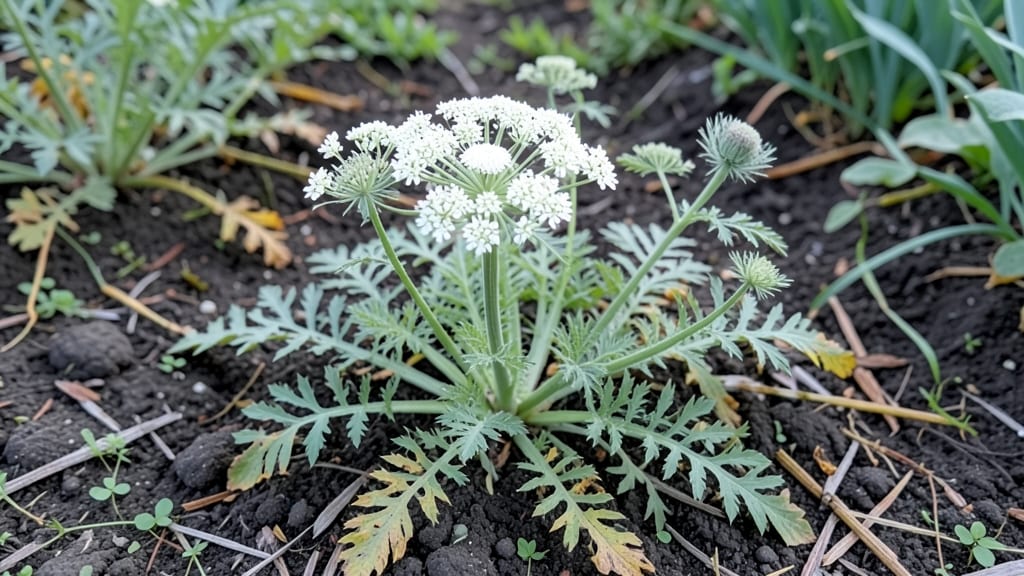
Carrot seed grass grows faster than most weeds I’ve ever seen—it’s the sneaky green carpet that takes over garden beds when you least expect it. 🌱 The problem isn’t just its speed, but how stubbornly it clings to your carrots, turning your neat rows into a tangled mess.
What starts as a few rogue shoots can turn into a thick, wiry mat that chokes out your crops within weeks.
Here’s the thing—this grass isn’t just annoying; it’s a sign your carrot seeds weren’t properly spaced or cleaned. Cheap seed mixes often contain these fast-sprouting grasses, and once they’re in, they spread like wildfire.
The good news? You can outsmart it with simple tricks: start with certified organic seeds, thin seedlings early, and mulch heavily to block light where it tries to take root.
By the time harvest rolls around, you’ll have carrots that grow straight and strong, not a jungle of grass. The key is acting fast—pull those first shoots before they seed themselves, and you’ll save hours of weeding later.
Plus, this grass isn’t harmful (though it’s not edible either), so you’re not dealing with toxic invaders, just persistent ones.
For stubborn patches, a sharp hoe or vinegar spray works wonders—just avoid chemical herbicides near your carrots. With a little vigilance, you’ll reclaim your garden rows and enjoy that satisfying crunch of homegrown carrots, grass-free. Let’s get those beds looking clean again!
📚 In This Guide
- What you need
- Instructions
- Tips and common mistakes
- Wrapping up and next steps
What you need
- ● Carrot seed grass seed: 10–20 lbs (depending on lawn size; ~1 lb per 100 sq ft for full coverage). Choose a high-quality, Daucus carota-based blend for best results.
- ● Lawn mower or string trimmer: Set to a 3–4 inch height for optimal growth (adjustable blades recommended).
- ● Garden rake: Heavy-duty, 12–18 inch teeth, for leveling soil and removing debris.
- ○ Broadcast spreader (optional but helpful): For even seed distribution—look for a handheld or walk-behind model with adjustable settings.
- ● Water source: Garden hose with adjustable nozzle (fine mist setting) or sprinkler system.
- ● Organic starter fertilizer: Low-nitrogen (5-10-10 ratio) to avoid seed burn. ~1 lb per 100 sq ft.
- ● Soil amendment (if needed): Compost or peat moss (1–2 inches) for poor or clay-heavy soil.
- ● Epsom salt: 1 tbsp per gallon of water for magnesium boost (promotes greener growth).
- ● Lawn roller: Lightweight (30–50 lbs) to press seeds into soil gently.
- ● Mulching fabric: Biodegradable for erosion-prone areas (remove after germination).
- ● pH test kit: To check soil acidity (ideal range: 6.0–7.0; adjust with lime or sulfur if needed).
- ● Gloves & knee pads: Because comfort matters when you’re kneeling in dirt for hours! 😉
Step-by-Step instructions for planting carrot seed grass
This fast-growing groundcover delivers instant privacy with minimal effort—here's how to get it growing in no time.
🌱 Step 1: Prepare the Soil for Fast Germination
Carrot seed grass thrives in well-draining soil, so start by removing any rocks or debris from your planting area. Use a garden fork to loosen the top 6 inches of soil, breaking up compacted layers. This ensures roots can spread quickly and establish firmly within 7-10 days.
Work in a 2-3 inch layer of compost or aged manure to enrich the soil with nutrients. The grass prefers slightly acidic to neutral soil (pH 6.0-7.0), so test your soil if you're unsure. If needed, adjust with sulfur or lime before planting. Moisten the soil thoroughly but avoid waterlogging—you want it damp like a wrung-out sponge.
💧 Step 2: Sow Seeds Evenly for Dense Coverage
Scatter the carrot seed grass seeds ¼ inch deep across the prepared area, aiming for a planting density of about 1-2 pounds per 100 square feet. I like to use a broadcast spreader for even coverage, but you can also hand-sow by walking in a grid pattern. Lightly rake the soil to cover the seeds without burying them too deeply—this ensures fast germination.
Water gently but thoroughly right after sowing to settle the seeds into the soil. Keep the surface consistently moist (not soggy) until germination, which typically occurs within 7-14 days. You'll know it's working when you see the first tiny green shoots pushing through the soil—this is your signal to reduce watering slightly to prevent rot.
☀️ Step 3: Provide Optimal Light and Water for Rapid Growth
Carrot seed grass loves full sun to partial shade, so choose a location that gets at least 4-6 hours of sunlight daily. If planting in hot climates, afternoon shade helps prevent stress. Once the seedlings reach 2-3 inches tall, reduce watering to 1-1.5 inches per week, allowing the top inch of soil to dry between waterings.
This grass is drought-tolerant once established, but young plants need consistent moisture. You'll see rapid growth within 3-4 weeks, with a dense, lush mat forming by 8-12 weeks. Mulch lightly with straw to retain moisture and suppress weeds without smothering the young plants.
✂️ Step 4: Maintain for Year-Round Privacy
After the grass reaches 6-8 inches tall, you can mow it to your preferred height—most people keep it around 4-6 inches for a neat, dense look. Use a sharp mower blade to avoid tearing the leaves, and mow when the grass is dry to prevent clumping. This encourages bushier growth and keeps the privacy screen looking full.
Fertilize lightly in early spring with a balanced, slow-release fertilizer (10-10-10) to support vigorous growth. Carrot seed grass is low-maintenance but benefits from occasional trimming to remove any brown or dead patches. With proper care, it will spread to fill gaps naturally, creating a thick, impenetrable barrier within 3-4 months.
Tips & tricks for perfect carrot seed grass planting
Want that lush privacy screen in record time? These insider tips will help you skip the common pitfalls and get your carrot seed grass growing faster than ever.
Soil Prep is Non-Negotiable: Don't skip loosening that top 6 inches of soil in Step 1—this isn't just about looks. Compacted soil slows root spread by up to 50%, meaning your 7-10 day establishment timeline could stretch to 3 weeks. Use a garden fork to create those tiny air pockets roots need to establish quickly. I've seen grass planted in untouched soil take twice as long to fill in gaps.
Seed Depth Matters More Than You Think: Those tiny seeds need just ¼ inch of coverage—no more, no less. Burying them deeper (even by an extra ⅛ inch) can delay germination by 5-7 days. Lightly rake after sowing to ensure even coverage without packing the soil. Pro tip: Sprinkle a thin layer of vermiculite over seeds before watering to help maintain that perfect depth while keeping moisture consistent.
Watering Strategy for Speed: The key to that 7-14 day germination window is keeping the soil consistently moist but never soggy. I set up a gentle drip irrigation system on a timer for 10 minutes every morning and evening during germination. This mimics natural rainfall while preventing the waterlogging that causes seed rot. Once you see those first green shoots, cut back to every other day to prevent fungal issues.
Mulching Hack for Faster Establishment: After sowing, spread that 2-3 inch layer of compost you worked into the soil, then top with just ½ inch of straw mulch. This thin layer keeps moisture where it needs to be while allowing sunlight to reach the soil surface—critical for those early weeks when seedlings are still fragile. The straw also suppresses weeds without smothering your new plants.
Pro Tips for Carrot Seed Grass
- Want that lush privacy screen in record time?
- Soil Prep is Non-Negotiable: Don't skip loosening that top 6 inches of soil in Step 1—this isn't just about looks.
- Seed Depth Matters More Than You Think: Those tiny seeds need just ¼ inch of coverage—no more, no less.
Frequently asked questions
Got questions about carrot seed grass? You’re not alone!
Here are answers to the most common queries to help you grow a thriving, year-round privacy screen with ease.
How long does carrot seed grass take to germinate?
Carrot seed grass is one of the fastest germinators in its category—expect sprouts to appear in just 5–14 days under ideal conditions (warm soil, consistent moisture, and direct sunlight). For best results, keep seeds lightly covered with soil (no deeper than ¼ inch) and water gently twice daily until germination.
When is the best time to plant carrot seed grass for year-round coverage?
Plant in early spring or late summer to maximize growth before winter. Spring planting (March–April) gives roots time to establish before summer heat, while late summer (August–September) ensures a head start for fall/winter coverage. Avoid planting in extreme heat or frost—seeds need soil temps between 55–75°F for optimal germination.
Can I mix carrot seed grass with other plants for a fuller screen?
Pair it with climbing vines (like morning glories or jasmine), ornamental grasses (e.g., fountain grass), or evergreen shrubs (e.g., boxwood or privet) for texture and year-round density. Just ensure all plants share similar water and sunlight needs. Pro tip: Space taller plants behind carrot seed grass to avoid shading issues.
What should I do if my carrot seed grass isn’t growing as expected?
Troubleshoot with these steps:
- Check soil moisture: Wilting or slow growth? Water deeply 2–3 times weekly (avoid soggy soil).
- Test sunlight: Needs 6+ hours of direct sun daily. Move to a sunnier spot if leaves look pale.
- Inspect for pests: Slugs or cutworms? Use organic slug bait or diatomaceous earth.
- Fertilize lightly: Apply a balanced, slow-release fertilizer (10-10-10) after germination.
Is carrot seed grass drought-tolerant once established?
Once fully rooted (3–4 months after planting), carrot seed grass develops moderate drought tolerance but thrives with 1 inch of water weekly during dry spells. Mulch around the base to retain moisture and suppress weeds. Note: Young plants still need consistent watering—don’t let them dry out completely!
Can I grow carrot seed grass in containers or raised beds?
Yes! It’s perfect for large pots (12+ inches deep), raised beds, or even vertical planters. Use well-draining soil with compost, and ensure containers have drainage holes. For privacy screens, opt for wide, shallow planters (e.g., 24-inch diameter) to mimic ground growth. Pro tip: Train vines with trellises or stakes for a lush, cascading effect.
Wrapping up and next steps
Ready to transform your outdoor space with carrot seed grass? This fast-growing, low-maintenance privacy screen is your ticket to year-round greenery without the fuss.
Whether you're blocking noise, adding curb appeal, or creating a cozy retreat, the key is starting strong—prep your soil, choose the right seeds, and keep it hydrated. 🌱
Take the next step: sketch your design, gather your supplies, and plant within 1-2 weeks for the best results. With patience and care, you’ll enjoy a lush, thriving screen in no time!