
Lawn
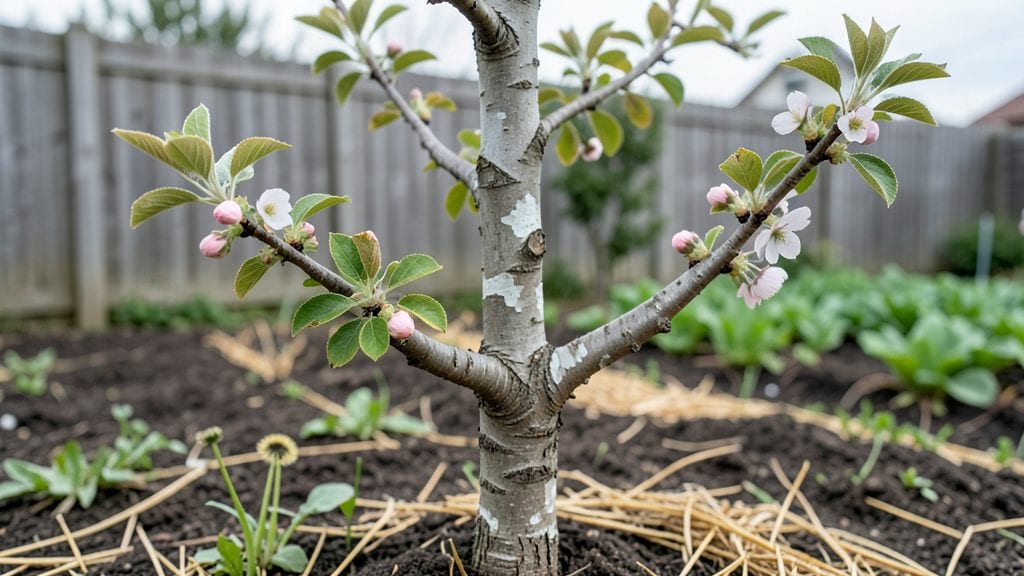
Growing an apricot tree from seed takes patience, but the payoff—a year-round privacy screen in five years—makes it worth every effort. I’ve started three from pits, and only one made it past the first winter, but that stubborn survivor now casts shade over my backyard patio.
The key isn’t luck; it’s understanding how apricot seeds behave differently than store-bought saplings.
You’ll need a warm spot (70–80°F) to break dormancy, a shallow pot with drainage, and a mix of sand and peat to keep roots from rotting. Most seeds take 3–6 months to germinate, and many never sprout—so plant extra.
Once they crack through the soil, move them to bright indirect light until they’re strong enough for direct sun. That first true leaf signals real progress.
By year three, your seedling will look like a sapling, and with proper pruning, it’ll grow into a dense, 15–20-foot tree that blocks wind and neighbors’ views. The fruit?
Don’t count on it—seed-grown apricots rarely match grocery-store quality, but the foliage alone makes it worth growing. Just be ready to stake young trees against spring winds.
Here’s the catch: apricot seeds often take two years to fruit, if they ever do. But for a living screen that thrives in zones 5–9, this method beats buying expensive nursery trees. Start now, and in five years, you’ll have privacy—and maybe a few tart apricots to share.
📚 In This Guide
- What you need
- Instructions
- Tips and common mistakes
- Wrapping up and next steps
What you need
- ● Apricot seeds: 3–5 fresh, plump seeds (harvested from organic apricots for best results). Pro tip: 💡 Save seeds from fully ripe, unblemished apricots!
- ● Potting soil: 1–2 gallons of high-quality, well-draining seed-starting mix (avoid garden soil—it’s too dense!).
- ● Small pots or seed trays: 3–5 biodegradable pots (3–4 inches deep) or a seed tray with drainage holes.
- ● Plastic wrap or humidity dome: To keep moisture locked in while seeds germinate.
- ● Watering can or spray bottle: With a fine mist setting for gentle hydration.
- ● Sunlight access: A sunny windowsill (south-facing) or a grow light (12–16 hours/day).
- ○ Seedling heat mat: (Optional) Speeds up germination if your home is chilly (<60°F/15°C).
- ● Fertilizer: Balanced liquid fertilizer (5-5-5 NPK ratio) for young seedlings.
- ● Pruning shears: Small, sharp pair for trimming as your tree grows.
- ● Garden gloves: To protect your hands while handling soil or seeds.
- ● pH test kit: Ensures soil pH is ideal (6.0–7.0 for apricots).
- ● Patience: Apricot seeds can take 2–4 weeks (or longer!) to sprout—stay consistent!
- ● Space planning: Mature apricot trees need 20–30 feet of space. Choose a sunny, sheltered spot in your yard.
- ● Climate check: Apricots thrive in USDA Zones 5–9. If you’re in a cooler zone, start seeds indoors early.
Step-by-step instructions for growing an apricot tree from seed
Here’s how to grow a sturdy apricot tree from seed—it takes patience, but the reward is a lush, year-round privacy screen.
Extract and Prepare the Apricot Pit
Start by washing the apricot pit thoroughly under cool water to remove all fruit residue. Use a sharp knife to carefully cut away the pit’s outer shell, being careful not to damage the seed inside. The seed itself should look smooth and slightly brownish—this is what you’ll plant. I like to soak the seed in warm water for 24 hours before planting to soften the outer layer and encourage faster germination.
After soaking, gently rub the seed between two paper towels to remove any remaining outer coating. This step is crucial because the seed’s protective layer can slow down or even prevent germination. Once cleaned, place the seed on a damp paper towel and fold it so the seed is snug inside. Store this in a sealed plastic bag in the refrigerator for 6-8 weeks to simulate winter dormancy—a process called stratification. This mimics the natural conditions the seed would experience in nature.
Plant the Stratified Seed in a Pot
Fill a small 4-inch diameter pot with well-draining potting mix—never use garden soil, as it can compact and suffocate the seed. Make a small hole about ½ inch deep in the center of the pot and place the stratified seed inside, covering it lightly with soil. Press down gently to ensure good contact between the seed and the soil, but don’t pack it too tightly. This ensures the seed stays in place while allowing room for roots to develop.
Water the pot gently until the soil is moist but not soggy. You’ll know it’s right when water runs out the drainage hole but doesn’t pool at the bottom. Place the pot in a warm, sunny spot indoors, such as a south-facing windowsill, where temperatures stay between 65-75°F. Keep the soil consistently moist—never let it dry out completely, but avoid overwatering, which can lead to rot. Germination can take 4-8 weeks, so be patient and check the pot regularly.
Transplant the Seedling Outdoors
Once the seedling has developed 2-3 sets of true leaves and is at least 6 inches tall, it’s ready to move outdoors. Choose a location with full sun exposure—at least 6-8 hours of direct sunlight daily—and well-draining soil. Apricot trees thrive in slightly acidic to neutral soil with a pH between 6.0 and 7.5. If your soil is heavy or clay-like, mix in compost or organic matter to improve drainage.
Dig a hole twice as wide as the seedling’s root ball but only as deep as the container it’s in. Gently remove the seedling from its pot and place it in the hole, ensuring the top of the root ball sits 1 inch below the soil line. This helps stabilize the young tree and encourages root growth. Backfill the hole with soil and water deeply to settle everything in place. Mulch around the base with 2-3 inches of organic mulch, like wood chips, to retain moisture and protect the roots from temperature fluctuations.
Care for the Young Tree Through Its First Year
During the first year, focus on keeping the soil consistently moist but not waterlogged. Water the tree deeply once a week, or more often during dry spells, ensuring the water penetrates at least 6 inches into the soil. You’ll know it’s time to water again when the top 2 inches of soil feel dry to the touch. Avoid wetting the leaves to prevent fungal diseases, which can weaken the young tree.
Fertilize the tree lightly in early spring with a balanced, slow-release fertilizer, such as a 10-10-10 mix, to encourage healthy growth. Use only ½ teaspoon of fertilizer spread evenly around the base, about 6 inches from the trunk. Avoid over-fertilizing, as this can burn the roots and stunt growth. Prune any dead, damaged, or crossing branches in late winter or early spring to shape the tree and encourage a strong structure. By the end of the first year, your apricot tree should be well-established and ready to grow into a privacy screen over the next few years.
Maintain the Tree for Long-Term Growth
As the tree matures, continue to water deeply once a week during dry periods, adjusting for rainfall. By the time the tree is 3-5 years old, it should reach 10-15 feet tall, providing ample privacy. Prune the tree annually in late winter or early spring to remove any dead or diseased branches and to shape it as desired. Focus on opening the center of the tree to allow sunlight to reach the inner branches, which promotes healthier growth and fruit production if you choose to harvest apricots in the future.
Monitor the tree for signs of pests or diseases, such as holes in leaves, discoloration, or unusual growth patterns. If you notice any issues, address them promptly with organic treatments like neem oil or insecticidal soap. With proper care, your apricot tree will grow into a beautiful, functional privacy screen that provides year-round interest and even delicious fruit in the right conditions.
Tips & tricks for growing an apricot tree from seed
A few key insights will help you avoid common pitfalls and maximize your apricot tree's potential for a lush privacy screen.
Stratification is Non-Negotiable: The 6-8 weeks of cold stratification in the refrigerator mimics winter conditions and breaks the seed's natural dormancy. Don't rush this step—it's what triggers germination. I've tried skipping it, and the seeds either took months to sprout or never germinated at all. Place a damp paper towel with your seed in a sealed bag and store it on the refrigerator's crisper drawer shelf where temperatures stay consistently cool.
Germination Patience Pays Off: Those 4-8 weeks of waiting for germination can feel endless, but consistency is key. Maintain a steady 65-75°F temperature range and keep the soil moist but never soggy. I've found that placing a clear plastic bag over the pot creates a mini greenhouse effect, speeding up germination without overwatering. Just remember to remove the bag once you see sprouts to prevent mold. The first true leaves will appear after the initial sprout—wait for 2-3 sets before transplanting.
Soil Quality Matters Most: The instructions specify well-draining potting mix, but I can't emphasize enough how critical this is. Apricot trees hate soggy roots. If you're using garden soil, mix in perlite or vermiculite to improve drainage. For outdoor planting, conduct a simple soil test to check the pH—aim for that 6.0-7.5 range. If your soil tests too alkaline, amend it with sulfur or peat moss before planting. I've had trees fail within weeks because their roots suffocated in compacted soil.
Transplanting Timing is Critical: Wait until your seedling has developed 2-3 sets of true leaves and reaches at least 6 inches tall before moving it outdoors. This ensures the root system is strong enough to handle the transition. I recommend hardening off your seedling by placing it outside in a shaded spot for a few hours each day for about a week before the full transplant. This gradual adjustment prevents shock. Also, choose your outdoor location carefully—full sun exposure is non-negotiable for healthy growth.
Pro Tips for Apricot With Seed
- A few key insights will help you avoid common pitfalls and maximize your apricot tree's potential for a lush privacy screen.
- Stratification is Non-Negotiable: The 6-8 weeks of cold stratification in the refrigerator mimics winter conditions and breaks the seed's natural dormancy.
- Germination Patience Pays Off: Those 4-8 weeks of waiting for germination can feel endless, but consistency is key.
Frequently asked questions
Got questions about growing an apricot tree from seed? You're not alone!
Here are some of the most common queries—and their answers—to help you get started on your year-round privacy screen journey.
Can you really grow an apricot tree from a seed?
Yes! While apricot trees grown from seed may not produce fruit identical to the parent tree (due to genetic variation), they will grow into healthy trees. Patience is key—it may take 5–10 years for fruit production, but the privacy screen benefits start much sooner!
How long does it take for an apricot seed to sprout?
Germination can take anywhere from 2–6 weeks, depending on conditions like soil temperature (ideal: 70–80°F) and moisture. Keep the seed in a warm, damp environment (like a seedling tray with a plastic cover) to speed things up. Poke a hole in the seed coat first—it helps!
What’s the best soil mix for germinating apricot seeds?
Use a light, well-draining mix like:
- 50% peat moss or coco coir
- 30% perlite or vermiculite (for aeration)
- 20% sand or compost (for nutrients)
Will my apricot tree grow true to the parent fruit?
Probably not! Seed-grown trees are not clones—they’ll likely produce different-sized, colored, or flavored fruit. For consistent apricots, grafted trees are better. But if you love the privacy screen potential, the tree’s height and shape will still thrive!
How cold-hardy are apricot trees from seed?
Most apricot varieties are USDA Zones 5–9, but seed-grown trees may be slightly less cold-resistant than grafted ones. Young trees need winter protection (mulch, windbreaks) until established. If you’re in Zone 4 or below, consider growing in containers and overwintering indoors.
What if my seed won’t sprout?
Try these fixes:
- Check moisture—soil should stay damp but not soggy.
- Test seed viability—soak in water for 24 hours; if it sinks, it’s alive!
- Warmth boost—place the tray near a heat source (like a sunny window).
- Patience—some seeds need up to 3 months.
Wrapping up and next steps
Growing an apricot tree from seed is a rewarding journey that transforms your yard into a lush, private oasis over time! 🌱 With patience and care, you’ll enjoy fragrant blooms, delicious fruit, and year-round beauty in just five years.
Whether you’re a beginner or a seasoned gardener, this project is a fantastic way to connect with nature while creating a stunning, functional landscape.
Ready to get started? Pick your spot, gather your supplies, and plant that seed today! Your future apricot tree—and its delicious rewards—will thank you. 🍑💚