
Lawn
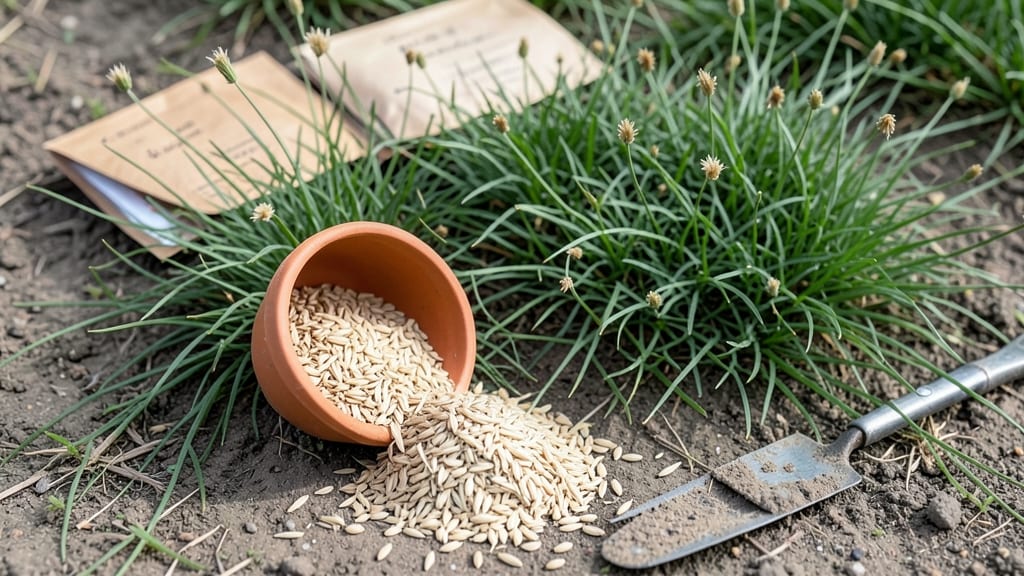
Collecting grass seed from your lawn or wild patches can turn wasted clippings into free planting material—if you time it right. I’ve saved hundreds of dollars by harvesting seed heads from my Kentucky bluegrass and fescue, then using them to restore thin patches or share with neighbors.
The key isn’t just waiting for seeds to form, but catching them at the three perfect windows when they’re ripe, dry, and ready to collect without losing viability.
You’ll need just a few tools: a sharp pair of pruning shears or scissors, a clean bucket or paper bag for collecting, and a dry, shaded spot to finish drying the seeds.
For ornamental grasses like maiden grass or switchgrass, you might add a small fan to speed up the drying process. The best part? This works for lawn grasses, wild meadow mixes, and even native prairie grasses—no fancy equipment required.
Once you’ve collected the seed heads, proper drying is critical. Spread them on a breathable surface like a screen or old window shade for 1–2 weeks, stirring occasionally to prevent mold.
Store the dried seeds in airtight containers in a cool, dark place, and they’ll stay viable for 1–3 years, ready to sow when you’re ready to restore a lawn, plant a wildflower meadow, or share with fellow gardeners.
Here’s the secret most people miss: timing matters more than technique. Harvest too early, and the seeds won’t germinate; wait too long, and they’ll scatter or sprout in the bag.
I’ll show you exactly when to look for those golden-brown seed heads—and how to tell if they’re ready to collect without losing a single one.
📚 In This Guide
- What you need
- Instructions
- Tips and common mistakes
- Wrapping up and next steps
What you need
- ● Seed Collection Bags or Envelopes: Lightweight, breathable paper or mesh bags (5–10 gallons capacity) or small envelopes for finer seeds. Quantity: 5–10 bags/envelopes, depending on yield.
- ● Pruning Shears or Scissors: Sharp, clean tools to snip seed heads. Spec: 6–8" blades for precision.
- ● Garden Gloves: Durable, breathable gloves (e.g., leather or synthetic) to protect hands from thorns or rough stems.
- ● Labeling Tags & Marker: Acid-free tags and a permanent marker to label seed types and collection dates.
- ● Bucket or Tray: A sturdy 5-gallon bucket or shallow tray to temporarily hold collected seeds before bagging.
- ● Drying Surface: A clean, dry screen, mesh tray, or cardboard box to spread seeds for drying. Size: At least 12"x12".
- ○ Fan or Dehumidifier (Optional): Speeds up drying in humid climates. Place seeds on a screen near a gentle airflow.
- ● Fine Mesh Sieve or Sifter: Removes chaff and debris from dried seeds. Spec: 1/8"–1/4" mesh for most grass seeds.
- ● Air-Tight Containers: Glass jars or resealable plastic containers with silica gel packets to store seeds long-term. Size: Quart jars for small batches.
- ● Notebook or App: For tracking seed sources, maturity dates, and germination notes (e.g., Seed Savers Exchange app).
- ● Legal Check: Ensure the grass species you’re collecting is native or non-invasive in your area. Check local regulations to avoid ecological harm.
- ● Weather Window: Aim for dry, sunny days (60–80°F) to collect seeds at peak ripeness. Avoid rain or high humidity.
- ● Health & Safety: Wear long sleeves/pants if collecting near prickly plants (e.g., switchgrass).
- ● Allergy alert: Some grasses (e.g., orchardgrass) may trigger sensitivities—wear a mask if needed.
- ● Know Your Grass: Familiarize yourself with 3 key seed collection times (early summer, late summer, or fall) based on species. Pro tip: Look for brown, papery seed heads that crumble easily!
Step-by-Step guide to collecting grass seed at peak harvest times
Timing matters most when harvesting grass seed—miss the window, and you’ll end up with empty heads.
Identify the Right Grass Types and Their Harvest Windows
Not all grasses produce seed at the same time. Cool-season grasses like fescue and bluegrass seed out in late spring to early summer, while warm-season grasses like Bermuda and zoysia mature in late summer to early fall. I always scout my lawn in May and September to spot grasses with seed heads that are plump but not yet brown—that’s your harvest signal.
Walk your lawn before collecting to locate the healthiest patches. Avoid areas with thin grass, weeds, or disease spots, as those will contaminate your seed. If you’re unsure which grass you have, press a seed head between your fingers—if it crumbles easily, it’s past its prime.
Harvest Seed Heads at the Right Maturity Stage
The best time to collect grass seed is when 50-70% of the seed heads have turned golden-brown but haven’t yet released seeds. If you wait too long, the seeds will scatter, and you’ll lose your yield. I use a small hand rake or gloved hands to gently pull the seed heads away from the stem—never yank too hard, or you’ll uproot the plant.
Work in dry, calm conditions—rain or wind will make the seed heads brittle and difficult to handle. Lay a clean tarp or sheet on the ground beneath the area you’re harvesting to catch stray seeds. If you’re collecting from a large patch, divide it into sections and harvest one at a time to avoid trampling the remaining grass.
Process and Dry the Seed Heads Before Storage
Once collected, spread the seed heads in a single layer on a screen or mesh tray in a well-ventilated, dry area (like a garage or shed) for 7-10 days. This allows the seeds to fully dry and detach from the chaff. I stir them gently every 2-3 days to prevent mold—moisture is the enemy here.
After drying, run the seed heads through a fine mesh sieve or colander to separate the seeds from the debris. Discard any discolored or shriveled seeds—they won’t germinate well. Store the clean seed in airtight containers (like glass jars or resealable bags) in a cool, dark place to maintain viability for up to 2 years. Label each container with the grass type and harvest date.
Repeat for Year-Round Collection (With Adjustments)
For a continuous supply, plan three harvest cycles: late spring for cool-season grasses, mid-summer for early warm-season varieties, and early fall for late warm-season types. In fall, after the first frost, collect any remaining seed heads before they shatter—this is your last chance before winter dormancy.
If you’re collecting from a lawn, avoid harvesting more than one-third of the seed heads in any given area to ensure the grass recovers. Over-harvesting weakens the lawn and reduces future seed production. I mark harvested sections with flags or stakes so I don’t accidentally collect the same patch again next year.
Tips & tricks for perfect grass seed collection
These practical tips will help you maximize your yield and avoid common pitfalls when harvesting grass seed throughout the year.
Timing is Everything: The 7-10 day drying period in Step 3 is crucial for seed viability. If your climate is particularly humid, consider using a small fan to circulate air around the drying seed heads. This helps prevent mold and speeds up the process by about 2-3 days. I've found that placing the drying tray near an open window (with mesh screening) during dry afternoons works wonders without needing electricity.
Visual Maturity Cues: When checking for that perfect 50-70% golden-brown maturity in Step 2, look for seed heads that feel firm when gently squeezed—like a ripe peach. If they crumble easily, they're past their prime. I always harvest in the morning after dew has dried but before afternoon heat, which gives me the freshest seed heads. This timing also helps prevent the seeds from scattering during collection.
Equipment Upgrade: While a small hand rake works for small patches, I recommend investing in a pair of seed harvesting shears for larger areas. These specialized tools let you snip seed heads cleanly without damaging the plant. You can find them at garden centers for under $20. For very large lawns, consider renting a seed harvesting attachment for your lawnmower to save time and effort.
Storage Wisdom: After cleaning your seeds in Step 3, I add a small packet of silica gel to each storage container to absorb any residual moisture. This simple trick extends seed viability well beyond the 2-year mark. I also keep a separate logbook where I record each batch's harvest date, grass type, and any special notes about growing conditions—this helps me track which batches perform best when I eventually plant them.
Pro Tips for Collecting Grass Seed
- These practical tips will help you maximize your yield and avoid common pitfalls when harvesting grass seed throughout the year.
- Timing is Everything: The 7-10 day drying period in Step 3 is crucial for seed viability.
- Visual Maturity Cues: When checking for that perfect 50-70% golden-brown maturity in Step 2, look for seed heads that feel firm when gently squeezed—like a ripe peach.
Frequently asked questions
about collecting grass seed—here’s what you need to know before you start!When is the best time to collect grass seed?
The ideal time depends on your grass type: cool-season grasses (like Kentucky bluegrass) release seed in late spring to early summer, while warm-season grasses (like Bermuda) peak in late summer to early fall. Always harvest when seed heads are fully brown but not yet scattered!
Can I collect grass seed year-round?
No—seed collection is seasonal! Most grasses produce seed only once per year (or twice for some types). Miss the window, and you’ll have to wait until next season. Check your grass type’s peak time to plan ahead.
What if my lawn isn’t producing seed?
If your grass isn’t seeding, it may be sterile (common in hybrid grasses) or over-fertilized. Try mowing higher (3–4 inches) and reducing nitrogen in late summer to encourage seed production. Some grasses, like fescue, seed more reliably than others.
How do I store collected grass seed?
Keep seed in a cool, dry place (like a sealed container in the fridge) for up to 6 months. Avoid moisture—damp seed spoils quickly! Label bags with the grass type and collection date for easy reference.
What if I don’t have a lawn—can I still collect seed?
Yes! Check local wild areas, roadsides, or golf courses (with permission) for native grasses. Just avoid treated areas—chemicals can harm seed viability. Always harvest sustainably to protect ecosystems!
Will collecting seed harm my lawn?
Minimal harm if done carefully! Avoid cutting more than 20–30% of the seed heads in one area. Over-harvesting weakens grass, but a well-maintained lawn should recover. Focus on healthy patches for best results.
Wrapping up and next steps
Collecting grass seed doesn’t have to be a seasonal chore—with the right timing and tools, you can harvest high-quality seed year-round! Whether you’re restoring a lawn, creating wildflower meadows, or supporting native ecosystems, knowing the three key collection times (spring, summer, and fall) gives you the edge. 🌱
Now that you’re equipped with the best practices, tools, and answers to common questions, it’s time to roll up your sleeves and start your harvest. Pro tip: Keep a seed journal to track varieties and yields—your future projects will thank you! 📝✨ Ready to begin?
Grab your collection bag and head to the field!