
Vegetables
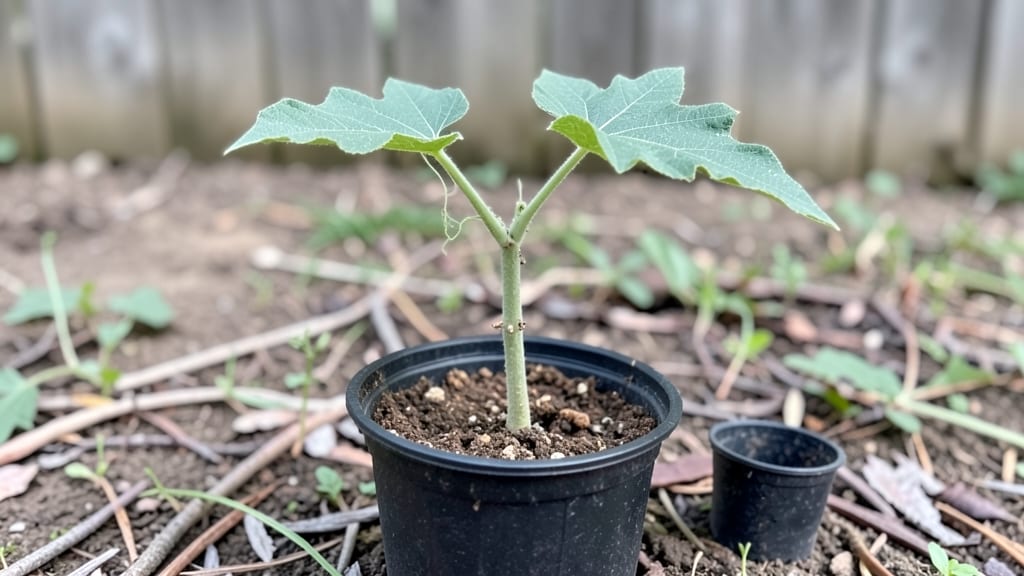
Luffa gourd seedlings transform your garden into a sustainable sponge factory in just 60 days. 🌱 I remember my first batch—those delicate sprouts that grew into 6-foot vines covered in fuzzy gourds—it was like watching nature’s own loofahs unfold.
The key isn’t complicated: warm soil, consistent moisture, and a little patience. Most people struggle with germination or weak seedlings, but I’ve found the simple tweaks that make all the difference.
You’ll need just a few supplies: biodegradable pots, seed-starting mix, a sunny spot (or grow lights), and a spray bottle for gentle watering. Plant seeds 1 inch deep in warm soil—70°F or higher—and keep them moist but never soggy.
Within 7-14 days, you’ll see those first true leaves, signaling it’s time to harden off seedlings before transplanting. The magic happens when you give them room to climb, whether on a trellis or fence.
By day 60, you’ll harvest mature luffa gourds—dried, hollow, and perfect for exfoliating or crafts. The process is surprisingly low-maintenance once established, with minimal pests and no need for heavy fertilizers.
Just watch those vines stretch toward the sun, and soon you’ll have your own natural, zero-waste loofahs growing right outside your door.
Works in zones 3-11, though warmer climates produce the most vigorous vines. Here’s how to troubleshoot slow growth or wilting—because even the best-laid plans need a little problem-solving. Let’s get those seeds sprouting!
📚 In This Guide
- What you need
- Instructions
- Tips and common mistakes
- Wrapping up and next steps
What you need
- ● Luffa gourd seeds – 5–10 seeds (organic, non-GMO preferred for best results).
- ● Seed-starting trays or small pots – 2–3 inch pots (biodegradable or plastic).
- ● High-quality seed-starting mix – Lightweight, well-draining soil (avoid garden soil).
- ● Grow lights or sunny windowsill – 6–8 hours of light daily (south-facing window or LED grow lights work best).
- ● Spray bottle – For gentle watering (avoids disturbing seedlings).
- ○ Plant labels & marker – To track seedling progress (optional but helpful!).
- ● Trowel or small shovel – For transplanting seedlings later.
- ● Fertilizer (balanced or organic) – Diluted liquid fertilizer (e.g., 10-10-10) for early growth.
- ○ Heat mat (optional) – If starting seeds indoors in cooler climates (70–80°F ideal).
- ● Pruning shears – For trimming vines as they grow.
- ● Trellis or sturdy stakes – 6–8 feet tall (luffa vines grow fast and need support!).
Step-by-step instructions for growing luffa gourd seedlings
Here’s how I transform delicate luffa sprouts into sturdy, vine-ready seedlings in just 60 days.
🌱 Step 1: Start Seeds Indoors for a Head Start
Luffa gourds thrive with warmth, so I begin seeds indoors 4-6 weeks before the last frost. Plant 2-3 seeds per 4-inch pot—they germinate fast but need room to spread. Fill the pot with sterile seed-starting mix (never garden soil) and press seeds ½ inch deep, just below the surface. Luffa seeds have a hard outer shell, so I soak them overnight in warm water first to soften them and speed germination.
Cover the pots with a clear plastic dome or wrap to trap heat and moisture. Place them in a warm spot (75-85°F)—a seedling heat mat works wonders. Keep the soil evenly moist but never soggy; luffa seedlings rot quickly if overwatered. You’ll see sprouts in 5-10 days, but don’t remove the dome until 50% of seeds have germinated—this prevents damping-off disease.
☀️ Step 2: Provide Bright Light and Prevent Legginess
Luffa seedlings need strong, direct light from day one to avoid becoming leggy and weak. I use a full-spectrum LED grow light positioned 3-4 inches above the seedlings and run it for 14-16 hours daily. Without enough light, stems stretch thin and pale, and the seedlings never recover. Watch for compact, dark green leaves—that’s your sign they’re getting enough light.
Rotate the pots quarter-turn daily so seedlings grow straight instead of leaning toward the light. Once they develop 2-3 true leaves, thin to the strongest seedling per pot. Luffa vines grow aggressively, so early thinning ensures they have the space to develop thick, healthy stems. If you notice yellowing leaves, it’s a sign of overwatering—let the soil dry slightly between waterings.
🪴 Step 3: Harden Off and Transplant Outdoors
When nighttime temperatures stay above 55°F, it’s time to harden off the seedlings. Start by placing them outside in a sheltered, shaded spot for 1-2 hours the first day, gradually increasing exposure over 7-10 days. Luffa gourds are tropical and sensitive to cold, so don’t rush this step—sudden temperature drops will shock them.
Transplant seedlings after all danger of frost has passed, spacing them 3-4 feet apart in well-draining soil. Luffa vines climb, so install trellises or strong supports at the same time. Bury the seedlings deeper than they were in pots—their stems will develop extra roots, making them stronger. Water deeply at planting to settle the soil and encourage root growth.
🌿 Step 4: Maintain Moisture and Fertility for Strong Vines
Luffa gourds need consistent moisture but hate soggy roots. Water deeply 2-3 times per week, aiming for 1-2 inches of water per week, and adjust based on rainfall. Mulch around the base with 2-3 inches of organic mulch to retain moisture and suppress weeds. Luffa vines grow 6-10 feet long, so keep them well-fed with a balanced fertilizer (10-10-10) every 4-6 weeks once they start flowering.
Watch for yellowing leaves—this could mean overwatering or nutrient deficiency. Prune any weak or diseased vines immediately to redirect the plant’s energy. By 60 days, your seedlings should be thick, leafy vines with tendrils reaching for their supports. This is when the real magic happens: flowers appear, and soon after, those prized luffa gourds begin to form.
Tips & tricks for perfect luffa gourd seedlings
Transforming those delicate luffa sprouts into thriving vines takes precision—here's how to avoid the common pitfalls that derail even experienced gardeners.
Seedling Heat Control: The 75-85°F range during germination is non-negotiable for luffa seeds. I've ruined three batches by letting them sit in cooler conditions—trust me, they won't germinate reliably below 70°F. Use a seedling heat mat if your home stays cooler than this range, especially in spring or fall. For the first 5-10 days while waiting for sprouts, maintain consistent warmth day and night to prevent uneven germination.
Lighting Strategy: That 14-16 hour daily light requirement isn't just about duration—it's about intensity. I learned the hard way that regular household lights won't cut it. Position your full-spectrum LED grow light just 3-4 inches above the seedlings and adjust the height as they grow. Watch for leaves that look pale or stretched—they're begging for more light. If you notice seedlings leaning toward one side, rotate them quarter-turn daily to prevent crooked growth.
Transplanting Technique: Burying seedlings deeper than their pot height might seem counterintuitive, but it's a game-changer for luffa vines. The buried stem develops additional roots that strengthen the entire plant. When transplanting, make sure about 2/3 of the stem is below soil level. This extra root development helps the vine better support those 6-10 foot growth spurts we're aiming for.
Watering Wisdom: The key with luffa seedlings is consistent moisture without waterlogging. After transplanting, water deeply but only when the top 1-2 inches of soil feel dry. Yellowing leaves often indicate overwatering—let the soil dry slightly between waterings, especially in cooler weather. Mulching with 2-3 inches of organic material helps maintain that perfect moisture balance while suppressing weeds that compete for nutrients.
Pro Tips for Luffa Gourd Seedling
- Transforming those delicate luffa sprouts into thriving vines takes precision—here's how to avoid the common pitfalls that derail even experienced gardeners.
- Seedling Heat Control: The 75-85°F range during germination is non-negotiable for luffa seeds.
- Lighting Strategy: That 14-16 hour daily light requirement isn't just about duration—it's about intensity.
Frequently asked questions
Got questions about growing luffa gourd seedlings? You’re not alone! Here are some of the most common concerns—plus quick, actionable answers to keep your plants thriving.
How long does it take for luffa gourd seedlings to sprout?
Most luffa seeds sprout within 7–14 days after planting, depending on soil warmth (ideal: 70–90°F). Keep soil consistently moist but not soggy, and place seeds in a sunny spot (or under grow lights) to speed up germination. Patience is key—some stubborn seeds may take up to 3 weeks!
When is the best time to transplant luffa seedlings outdoors?
Wait until nighttime temperatures stay above 55°F (usually after the last frost in your zone). Seedlings need strong stems and at least 2–3 true leaves before transplanting. Harden them off for 5–7 days first by gradually exposing them to outdoor conditions. Morning sunlight is gentler for this process!
Can I grow luffa gourds in containers, or do they need a garden bed?
Yes! Luffa gourds thrive in large containers (10+ gallons) with good drainage. Choose a deep pot (18–24 inches) and use a well-draining potting mix. Just ensure the container gets full sun (6+ hours/day) and you provide a sturdy trellis—luffas grow fast and need vertical support to avoid sprawling.
What pests or diseases should I watch for with luffa seedlings?
Common threats include aphids, cucumber beetles, and powdery mildew. Use neem oil or insecticidal soap for pests, and space plants for airflow to prevent mildew. Yellowing leaves? Check for overwatering or nutrient deficiency—luffas love balanced fertilizer (10-10-10) every 2–3 weeks. Rotate crops yearly to avoid soil-borne issues.
What can I do if my luffa seedlings look leggy or weak?
Leggy seedlings usually mean too little light or overcrowding. Move them to a sunnier spot (or add grow lights) and thin seedlings to 12–18 inches apart. If they’re already transplanted, prune the lower leaves to encourage stronger growth upward. A light fertilizer boost (half-strength) can also help them bounce back!
Wrapping up and next steps
Growing luffa gourd seedlings from sprout to harvest in just 60 days is an exciting and rewarding journey! With the right materials, patience, and care, you’ll soon enjoy the unique texture and versatility of luffa—whether for gardening, crafts, or even skincare. 🌱
Ready to take the next step? Start by planting your seedlings in well-draining soil and providing them with plenty of sunlight and water. Keep an eye on pests and diseases, and soon, you’ll be harvesting your very own luffa gourds! Happy gardening! 🌿