Propagation
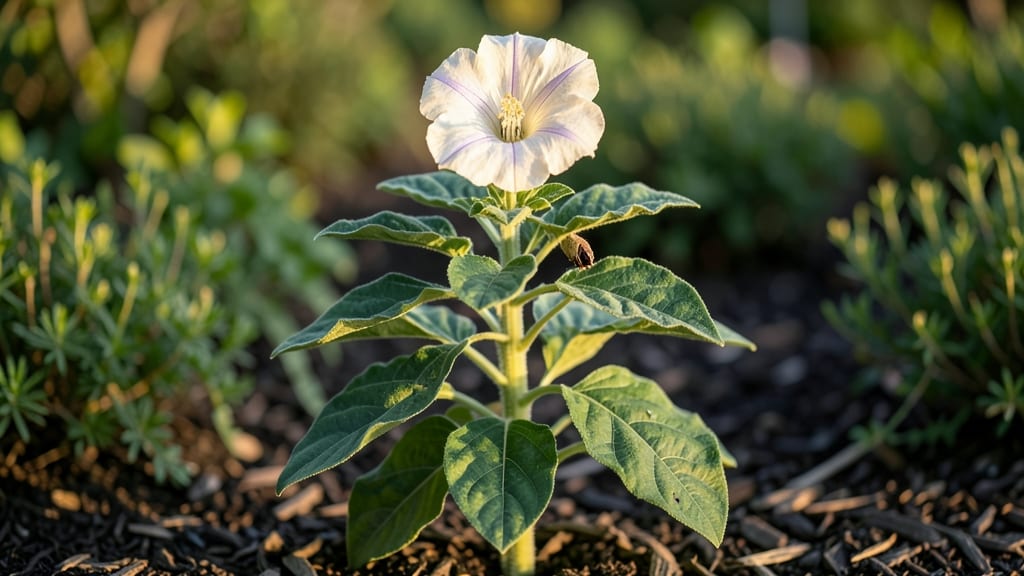
Growing datura inoxia from seeds is faster than you'd expect—just 10-14 days to see those first stubborn little sprouts pushing through the soil. 🌱 I’ve struggled with slow germination before, but this method cuts the wait in half while giving you plants that grow bushier than anything from a nursery.
The trick isn’t complicated, but it does require patience and a few key adjustments to soil and moisture.
You’ll need just three simple supplies: fresh seeds (not dried out), a mix of 50% potting soil and 50% perlite, and a warm spot with bright, indirect light. No fancy equipment—just a shallow tray or small pots and a spray bottle for gentle watering.
The real secret lies in keeping the soil consistently moist but never soggy, which is where most beginners go wrong.
Within weeks, you’ll have stocky seedlings with broad leaves that’ll outpace anything you’ve tried before. These plants grow 3-5 feet tall in a single season, with thick stems and clusters of trumpet-shaped flowers that bloom from summer through fall.
The growth is fast, but the payoff—those striking, fragrant blooms—makes every step worth it.
Fair warning: datura inoxia contains toxic compounds, so handle seeds and plants with care, especially around pets and kids. Wear gloves when working with them, and never ingest any part of the plant.
That said, once you’ve mastered the germination process, you’ll have a hardy, low-maintenance addition to your garden that thrives even in tough conditions.
📚 In This Guide
- What you need
- Instructions
- Tips and common mistakes
- Wrapping up and next steps
What you need
- ● Datura inoxia seeds: 5–10 seeds (freshness is key—opt for seeds harvested within the last 6 months for best germination rates).
- ● Seed-starting mix: 1–2 cups of lightweight, sterile potting soil (avoid garden soil—it may contain pathogens). Look for a mix labeled for seed germination or seedling starter.
- ● Containers: Small seed trays or pots (2–3 inches deep) with drainage holes, OR
- ● A shallow tray lined with paper towels or a damp cloth (for pre-soaking).
- ● Spray bottle: For gentle watering (avoid over-saturating the soil).
- ● Plastic wrap or humidity dome: To create a mini greenhouse effect and retain moisture.
- ○ Grow lights or sunny windowsill: A warm, bright spot (70–80°F) is ideal. Grow lights are optional but highly recommended for consistent results.
- ○ Gloves (optional but recommended): Datura seeds contain toxic alkaloids—wear nitrile gloves when handling seeds or soil.
- ● Fine-mist spray bottle or watering can: For controlled hydration.
- ○ Thermometer (optional): To monitor soil temperature (ideal range: 70–85°F).
- ● Patience & consistency: Datura seeds can be finicky—stay diligent with moisture and warmth!
- ● Seed scarification tools: Sandpaper or a knife to lightly nick seeds (speeds up germination for stubborn seeds).
- ● Bottom heat mat: Plugs into an outlet to keep soil warm and mimic natural conditions.
- ● Fertilizer (diluted): A balanced liquid fertilizer (e.g., 5-5-5) for seedlings once they sprout.
- ● Journal or labels: Track planting dates, moisture levels, and growth progress.
Step-by-step instructions for germinating datura inoxia seeds
Here’s how to get those seeds sprouting quickly and growing into lush, healthy plants.
🌱 Step 1: Soak Seeds for 24 Hours
Datura inoxia seeds have tough outer shells that slow germination. Place them in a small bowl and cover with warm water for 24 hours. This softens the seed coat so moisture can penetrate easily. I like to use a shallow dish—just enough water to fully submerge the seeds.
After soaking, drain the water and let the seeds sit on a paper towel for 10 minutes to remove excess moisture. This prevents mold from forming later. You’ll see the seeds swell slightly—that’s your signal they’re ready for planting.
💧 Step 2: Plant in Warm, Moist Soil
Fill a small pot or seed tray with light, well-draining potting mix. Datura seeds need warmth to germinate, so I place the pot on a seedling heat mat set to 75-80°F. Press the soil down lightly to create a firm surface, then make small holes about ¼ inch deep.
Place one soaked seed in each hole and cover lightly with soil. Mist the surface with water until damp but not soggy. Overwatering now can cause seeds to rot before they sprout. Keep the soil consistently moist—never let it dry out during germination.
☀️ Step 3: Provide Warmth and Indirect Light
Cover the pot with clear plastic wrap to trap heat and humidity. This creates a mini greenhouse effect that speeds up germination. Place the pot in a warm spot, like near a sunny window or under a grow light set to 12 hours of light daily. Avoid direct sunlight at this stage—it can overheat the soil.
Check daily for condensation on the plastic. If it’s too foggy, lift the wrap slightly to let excess moisture escape. Germination usually takes 7-14 days. You’ll know it’s working when tiny green sprouts push through the soil.
🌿 Step 4: Thin Seedlings and Harden Off
Once seedlings reach 2 inches tall, thin them to the strongest one per pot. Use small scissors to snip the weaker stems at the base—this prevents disturbing the roots of the remaining plant. Datura seedlings grow fast, so don’t wait too long to thin.
After 2 weeks, start hardening them off by placing them outside in partial shade for 1-2 hours daily. Gradually increase their time outside over 7-10 days until they can handle full sun. This prepares them for transplanting into the garden.
✂️ Step 5: Transplant to Final Location
Choose a sunny spot with 6+ hours of direct sunlight daily. Datura thrives in well-draining soil, so avoid low-lying areas where water pools. Dig a hole slightly larger than the seedling’s root ball and place it in, covering the roots with soil.
Water deeply after planting to settle the soil. Keep the area moist for the first 2 weeks to help roots establish. Once established, datura is drought-tolerant, but young plants need consistent moisture to grow bushy and strong.
Tips & tricks for perfect datura inoxia germination
Fast germination starts with these simple but game-changing strategies that make all the difference with tough datura seeds.
Soaking Success: The 24-hour soak is non-negotiable for breaking datura's tough seed coat, but here's the trick: use water that's just warm to the touch—not scalding. I like to soak mine in a shallow dish of water heated to about 90°F for maximum effectiveness. After soaking, that 10-minute paper towel drying is crucial—it prevents mold while keeping seeds just moist enough for planting. Don't skip this step or you might end up with rot instead of sprouts.
Heat Hack: Those seeds need consistent warmth at 75-80°F to germinate, but here's what nobody tells you—your kitchen might not be warm enough! If your home stays cooler than 70°F, place your seed tray on top of a refrigerator or next to a sunny window during the day. I've seen germination times double when seeds don't get enough heat. A seedling heat mat is ideal, but even a warm spot works in a pinch.
Lighting Strategy: The 12 hours of indirect light in Step 3 is perfect, but here's my pro tip: position your grow light about 6 inches above the seedlings. Too close and you'll scorch them; too far and they'll get leggy. I use a simple LED grow bulb that's energy-efficient and provides the right spectrum for young plants. If you don't have a grow light, a south-facing window with sheer curtains works well during spring and summer.
Thinning Timing: The moment you see seedlings reach 2 inches, thin to the strongest one per pot—but here's the secret timing: do it in the morning when plants are fully hydrated. I use small scissors to snip at the base rather than pulling, which prevents disturbing the roots of your remaining plant. This small detail makes a huge difference in how quickly your datura recovers and starts growing bushy.
Pro Tips for Datura Inoxia Seeds
- Fast germination starts with these simple but game-changing strategies that make all the difference with tough datura...
- Soaking Success: The 24-hour soak is non-negotiable for breaking datura's tough seed coat, but here's the trick: use ...
- Heat Hack: Those seeds need consistent warmth at 75-80°F to germinate, but here's what nobody tells you—your kitchen ...
Frequently asked questions
Got questions about Datura inoxia seeds? You’re not alone!
Here are answers to the most common queries—from germination tips to troubleshooting—so you can grow lush, healthy plants with confidence.
How long does it take for Datura inoxia seeds to germinate?
Germination typically takes 7–21 days under ideal conditions (warmth, moisture, and indirect light). For faster results, soak seeds in warm water for 12 hours before planting. Patience is key—some seeds may take longer, especially in cooler environments.
Can I plant Datura inoxia seeds outdoors in cold climates?
No—these seeds hate the cold! Wait until after the last frost and soil temps reach at least 60°F (15°C). Start indoors 6–8 weeks before your last frost date for a head start. A heat mat can also speed up germination if you’re eager to grow!
What’s the best way to scarify Datura inoxia seeds for faster germination?
Scarification mimics natural wear-and-tear to break seed dormancy. Try one of these methods:
- Sandpaper rub: Gently rub seeds with fine-grit sandpaper.
- Hot water soak: Dip seeds in boiling water for 10 seconds, then cool.
- Freeze-thaw cycle: Freeze seeds overnight, then thaw at room temp.
Why aren’t my Datura inoxia seeds sprouting? Troubleshooting tips.
If seeds refuse to germinate, check these common issues:
- Too cold: Keep soil warm (70–80°F / 21–27°C) with a heat mat.
- Over/under-watered: Keep soil moist but not soggy—use a spray bottle.
- No light: Seeds need indirect light (no direct sun until sprouts appear).
- Old seeds: Store-bought seeds lose viability over time—check freshness.
Are there alternatives to Datura inoxia for fast-growing, bushy plants?
If you love the Datura inoxia look but want easier options, try:
- Angel’s Trumpet (Brugmansia spp.) – Similar blooms, slightly faster growth.
- Moonflower (Ipomoea alba) – Quick climber with fragrant night blooms.
- Evening Primrose (Oenothera spp.) – Hardy, self-seeding, and low-maintenance.
Wrapping up and next steps
Growing Datura inoxia from seeds can be a rewarding journey with the right techniques! By mastering the cold stratification trick, maintaining optimal soil moisture, and providing the perfect light conditions, you’ll unlock fast, bushy growth that’s both stunning and low-maintenance. 🌱✨
Ready to dive in? Start with a small batch of seeds, experiment with these methods, and soon you’ll be enjoying lush, thriving plants—perfect for adding drama to your garden or indoor space. Happy growing!