
Lawn
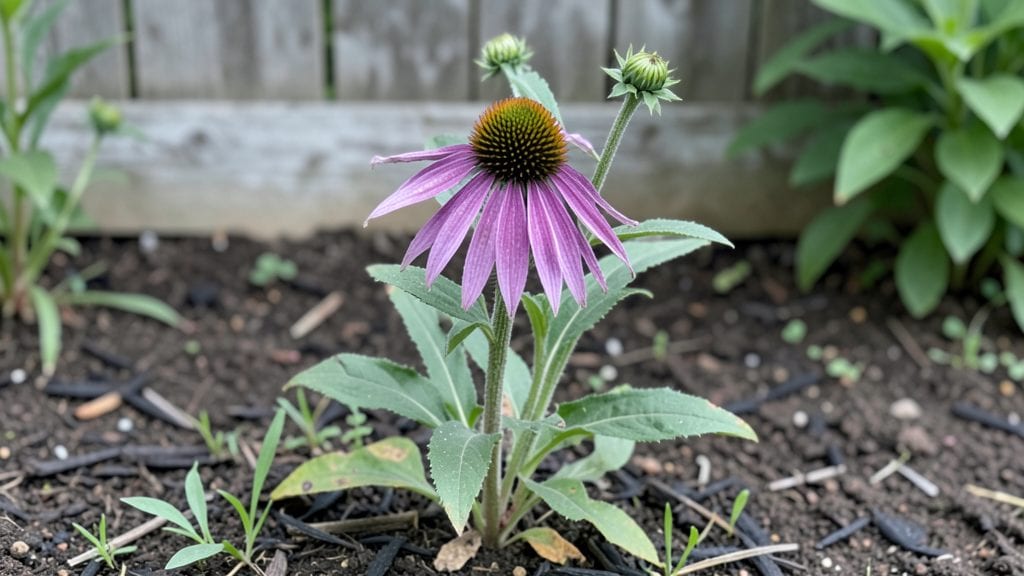
My echinacea seed heads are the unsung heroes of my pollinator garden—drying them properly means free plants next year and winter-long beauty. 🌿 I learned the hard way that leaving them on the stem too long turns them into a soggy mess, but with the right timing, you end up with dry, papery seed pods that last for years.
The process couldn’t be simpler: wait until the seed heads turn completely brown and crisp, then snip them off with clean scissors. Hang them upside down in a dry, shaded spot for 2–3 weeks—no fancy equipment needed.
Once fully dry, you can store them in paper envelopes or even tuck them into dried flower arrangements for a rustic touch.
You’ll end up with a stash of seeds that’s ready to plant in early spring, giving you new echinacea blooms without spending a dime. The dried seed heads also add texture and movement to winter bouquets, and birds will thank you for leaving some behind as natural feeders.
It’s a win-win for your garden and your wallet.
This method works for any echinacea variety—whether you’re growing purple coneflowers, white swallowtails, or the deep red ‘Hot Papaya.’ Just be patient, and you’ll have next year’s pollinator magnet already in your hands.
📚 In This Guide
- What you need
- Instructions
- Tips and common mistakes
- Wrapping up and next steps
What you need
- ● Echinacea plants: Mature, healthy plants (preferably Echinacea purpurea, E. pallida, or E. paradoxa) with fully bloomed, dried seed heads (late summer/fall).
- ● Pruning shears or sharp scissors: Clean, sterilized tools to avoid spreading disease.
- ● Brown paper bags or breathable mesh bags: 1–2 bags per plant (10–12" x 15–18" size) for drying.
- ● Twine or rubber bands: To secure seed heads in bags.
- ● Labeling tags & permanent marker: To note plant varieties and harvest dates.
- ● Dry, well-ventilated space: A cool (60–70°F), shaded area (e.g., garage, shed, or indoor shelf).
- ● Seed-saving envelopes: Paper or mylar envelopes (3–4" size) for long-term storage.
- ● Desiccant packets: Small silica packets to absorb excess moisture in storage.
- ● Fine mesh sieve or colander: For separating seeds from chaff after drying.
- ● Glove: Lightweight gardening gloves to protect hands from prickly stems.
- ● Notebook or app: To track germination rates or planting notes for future reference.
Step-by-step instructions for harvesting and saving echinacea seed heads
Turn last year's blooms into next season's pollinator powerhouse with these simple steps.
🌿 Step 1: Identify and Select Mature Seed Heads
Wait until late fall or early winter when the seed heads have turned a deep brown and the petals have completely fallen away. The heads should feel dry and papery to the touch, not soft or moist. I like to harvest on a dry, sunny day when the air is crisp—this ensures the seeds are fully mature and won't mold during storage.
Gently grasp the base of a seed head with one hand and support the stem with the other. Twist or snip just above a leaf node where new growth can emerge. Avoid cutting into the stem—this prevents disease from entering the plant. You'll want about 4-6 seed heads per plant to ensure a good seed supply for next season.
✂️ Step 2: Clean and Prepare the Seed Heads
Spread the seed heads on a clean, dry surface like a baking sheet or newspaper. Let them sit in a warm, dry location for 2-3 days to air-dry completely. This step is crucial—any moisture left on the seeds can cause them to rot during storage. I place mine in a sunny windowsill where gentle warmth speeds up the drying process.
After drying, gently rub the seed heads between your hands or use a soft brush to release the seeds from the dried flower heads. Discard any debris or empty seed pods. Store the seeds in a paper envelope (not plastic—it traps moisture) and label it with the echinacea variety and the harvest date. This keeps them organized and makes next year's planting a breeze.
🪴 Step 3: Store Seeds Properly for Long-Term Viability
Place the labeled paper envelopes in a cool, dark, and dry location like a pantry or seed storage box. Echinacea seeds can remain viable for 2-3 years if stored correctly. I keep mine in a small wooden box lined with silica gel packets to absorb any lingering moisture. Check the seeds every few months to ensure they haven’t absorbed moisture or developed mold.
When it’s time to plant, simply sprinkle the seeds on the soil surface—they don’t need light to germinate, so a light covering of soil (about ¼ inch) is fine. Water gently and keep the soil consistently moist until germination, which typically occurs in 2-4 weeks. This method ensures you’ll have a fresh batch of echinacea ready to attract pollinators next season.
☀️ Step 4: Plant Saved Seeds for Next Year’s Blooms
Start seeds indoors 8-10 weeks before your last frost date for an early start. Use a seed-starting mix in small pots or a seed tray. Press the seeds lightly into the soil—don’t bury them too deep, as they need light to germinate. Keep the soil moist but not soggy, and place the tray in a warm spot with bright, indirect light.
Once seedlings emerge, move them to a sunny window or under grow lights for 14-16 hours daily. Transplant outdoors after the last frost when the soil is warm and the seedlings have 3-4 true leaves. Space them 18-24 inches apart to give them room to grow. With proper care, your saved seeds will produce vibrant blooms that pollinators will love in just a few months.
Tips & tricks for perfectly harvested echinacea seeds
Turn those dried blooms into next season's garden heroes with these pro tips that'll save you time and frustration.
Timing is Everything: Harvesting echinacea seed heads in late fall or early winter is key—they need to be completely dry and papery. I've learned the hard way that harvesting too early means immature seeds that won't store well. Look for those deep brown heads where all petals have fallen away. If you're unsure, wait another week—better to harvest late than too soon.
Harvesting Technique: When collecting your 4-6 seed heads per plant, use a clean, sharp pair of pruners or scissors to snip just above a leaf node. This prevents disease and encourages new growth. I always support the stem with my other hand to avoid crushing the seed head. A gentle twist works too, but be careful not to tear the stem—this can leave your plant vulnerable to rot.
Drying Strategy: The 2-3 day drying period in Step 2 is non-negotiable. I've tried skipping this step, and the seeds always ended up moldy in storage. Place your seed heads on a clean surface in a warm, dry spot—like a sunny windowsill. If you're in a humid climate, consider using a small fan on low to circulate air and speed up the process. Just make sure the seeds aren't exposed to direct drafts that could blow them away.
Storage Wisdom: Paper envelopes are your best friend for seed storage—they allow moisture to escape while keeping seeds protected. I like to add a silica gel packet to my wooden storage box to absorb any lingering moisture. Label each envelope with both the echinacea variety and harvest date—this makes it easy to track seed age. Remember, these seeds stay viable for up to 3 years, but germination rates drop after the first year.
Pro Tips for Echinacea Seed Heads
- Turn those dried blooms into next season's garden heroes with these pro tips that'll save you time and frustration.
- Timing is Everything: Harvesting echinacea seed heads in late fall or early winter is key—they need to be completely dry and papery.
- Harvesting Technique: When collecting your 4-6 seed heads per plant, use a clean, sharp pair of pruners or scissors to snip just above a leaf node.
Frequently asked questions
Got questions about harvesting and saving echinacea seed heads?
Here are some of the most common ones—plus quick, practical answers to help you make the most of your pollinator-friendly plants!
When is the best time to harvest echinacea seed heads?
Harvest seed heads once they’ve fully dried on the plant—usually late summer to early fall (August–October). Look for papery, brown petals and light brown or tan seed cones. Wait until the seeds rattle inside when shaken—this signals they’re ready for collection!
How do I dry echinacea seed heads properly?
Bundle the seed heads in small bunches and hang them upside down in a well-ventilated, dry spot (like a garage or shed) for 2–4 weeks. Avoid direct sunlight or humidity, which can cause mold. Once completely dry, the seeds will easily pop out of the cones.
Can I save echinacea seeds for more than one year?
Yes! Store seeds in a cool, dark, dry place (like a sealed jar or envelope) for up to 2 years. Label them with the harvest year to track freshness. For best germination, use seeds within 1–2 years—older seeds may take longer to sprout.
What if my echinacea seed heads get moldy or attract pests?
Mold or pests (like aphids) often mean the seed heads weren’t fully dry before storage. To prevent this, harvest only when completely dry and store in a paper bag (not plastic) to allow airflow. If mold appears, discard the batch—don’t risk spreading it to other seeds!
Are there alternatives if I can’t save seeds from my own plants?
Buy seeds from reputable nurseries or swap with gardening friends. Look for open-pollinated varieties (like ‘Magnus’ or ‘Green Envy’) to ensure true-to-type plants. Local native plant societies often share seeds too!
Wrapping up and next steps
Echinacea seed heads aren’t just charming remnants of summer—they’re powerful tools for pollinators and next year’s garden. By drying and saving them, you’re creating a free, easy way to nourish bees, butterflies, and birds while giving your garden a head start. 🌿
Ready to level up your pollinator-friendly space? Grab a pair of scissors, a paper bag, and your dried seed heads—then start planning where they’ll bloom next spring! Your future garden (and its tiny visitors) will thank you!