
Lawn
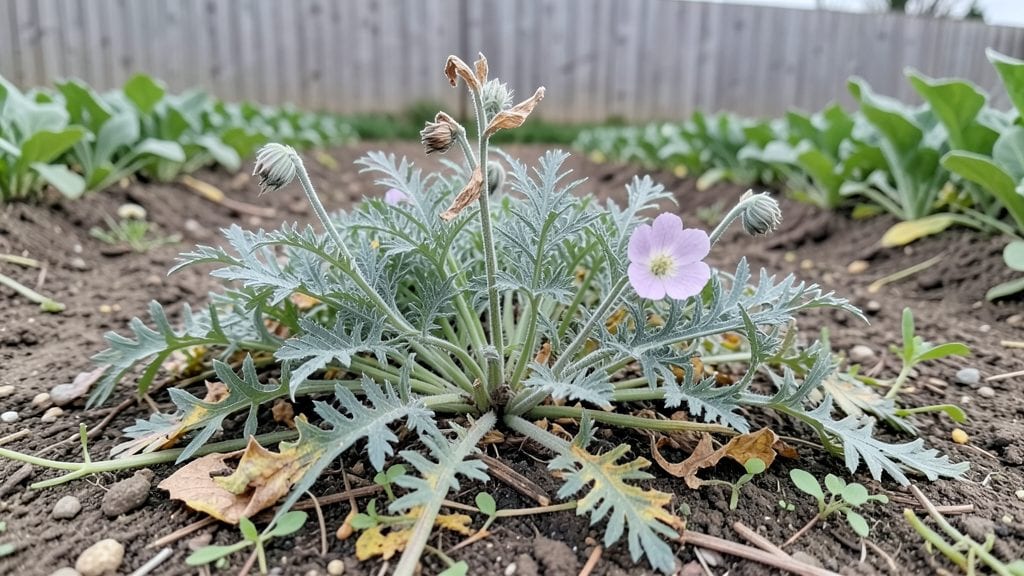
Growing erodium cicutarium from seed unlocks a drought-resistant stunner that thrives where other plants fail. ✨ I’ve watched this delicate yet hardy annual transform dry patches into pollinator magnets, its fern-like foliage and tiny pink blooms drawing bees and butterflies all season long.
The secret lies in its ability to germinate quickly and establish roots deep enough to survive weeks without rain—once you get the timing right.
Start with well-draining soil and full sun exposure, and you’ll see those first seedlings emerge in just 7-10 days under ideal conditions. The key is keeping seeds lightly moist but never soggy during germination, then gradually reducing water as seedlings develop.
Spacing them 6-12 inches apart gives them room to sprawl without competing, and the fine-textured leaves stay lush even in 90°F+ heat—no fuss, no extra watering.
By mid-summer, you’ll have a carpet of velvety green foliage dotted with clusters of tiny blossoms, each one a magnet for beneficial insects.
The plant’s self-seeding habit means it often returns year after year, though it’s not invasive in most climates—just be mindful in regions with Mediterranean conditions where it might spread aggressively. With minimal care, you’ll have a garden feature that’s both practical and stunning.
Here’s where it gets interesting: the more you let it self-seed, the more it adapts to your microclimate. I’ve seen it thrive in rock gardens, slopes, and even between pavement cracks—proof that beauty doesn’t require perfect conditions, just the right plant.
Let’s get those seeds in the ground and watch them work their magic.
📚 In This Guide
- What you need
- Instructions
- Tips and common mistakes
- Wrapping up and next steps
What you need
- ● Erodium cicutarium seeds: 1–2 teaspoons (about 5–10g) for a small patch or ½ cup (60–80g) for a larger garden area.
- ● Well-draining soil: Sandy loam or loamy soil with a pH of 6.0–7.5. Amend heavy clay with perlite or coarse sand.
- ● Sunlight: Full sun to partial shade (6+ hours of sunlight daily for best blooms).
- ● Water: Minimal irrigation—this plant is drought-tolerant once established!
- ○ Garden gloves (optional but recommended for handling seeds and soil).
- ● Hand trowel or small rake for light soil preparation.
- ● Watering can or hose with a gentle spray nozzle (to avoid disturbing seeds).
- ○ Mulch (optional): Straw or shredded leaves to retain moisture during germination.
- ● 🌡️ Timing: Plant seeds in early spring or fall for optimal germination.
- ● ✨ Spacing: Scatter seeds lightly—they self-sow easily! Aim for 6–12 inches apart.
- ● 🐝 Pollinator bonus: No pesticides needed—this plant attracts bees and butterflies naturally!
Step-by-Step instructions for growing Erodium cicutarium seeds
This resilient Mediterranean annual thrives with minimal fuss—here’s how to coax its delicate blooms into your garden.
🌱 Step 1: Prepare the Soil and Planting Site
Erodium cicutarium loves well-draining soil and full sun—6+ hours daily—but tolerates partial shade in hot climates. Clear the area of weeds and loosen the top 6 inches of soil with a garden fork. Work in 1-2 inches of coarse sand or perlite if your soil drains poorly, as this plant despises soggy roots. The ideal planting mix should resemble a sandy loam, allowing water to pass through quickly.
Sprinkle a light layer of compost (about ½ inch) over the prepared bed to provide organic matter without compacting the soil. Rake the surface smooth but don’t overwork it—Erodium seeds need good soil-to-seed contact for germination. If planting in containers, use a 50/50 blend of potting mix and perlite to replicate its native dry conditions.
🌱 Step 2: Sow Seeds at the Right Depth and Spacing
Scatter seeds thinly over the prepared soil—don’t cover them with more than ⅛ inch of soil—since they require light to germinate. Press them gently into the surface with your fingers or the back of a rake. Planting too deeply delays or prevents germination entirely. For best results, aim for 10-15 seeds per square foot—they self-seed readily, so you won’t need to replant.
Water the area lightly with a fine mist until the soil is barely moist, not soaked. This plant’s native habitat is dry, so overwatering at this stage can suffocate seeds. Let the soil dry slightly between waterings once germination begins—typically in 7-14 days, depending on temperature.
☀️ Step 3: Provide Minimal Care for Rapid Growth
Once seedlings emerge, resist the urge to water heavily. Erodium cicutarium thrives on neglect—water only when the top 1 inch of soil feels dry to the touch, usually every 5-7 days in average conditions. Overwatering causes yellowing leaves and weak stems. If rainfall is consistent, you may not need to water at all after establishment.
Apply a balanced, water-soluble fertilizer (10-10-10) at half-strength when seedlings reach 2-3 inches tall to encourage bushy growth. Avoid high-nitrogen fertilizers, which promote leafy growth at the expense of flowers. Mulch lightly with ¼ inch of gravel or coarse sand to deter weeds while allowing water to penetrate the soil.
✂️ Step 4: Encourage Blooms and Manage Self-Seeding
Deadhead spent flowers by pinching them off just above the first set of leaves to redirect energy into new blooms. This plant produces delicate pink or purple flowers that attract pollinators, but it also self-seeds aggressively. If you want to control its spread, remove seed heads before they dry completely. For a natural look, let some seeds drop—they’ll sprout easily next season.
Watch for leggy growth, a sign of insufficient light. If stems stretch excessively, thin seedlings to 6-8 inches apart to improve airflow and reduce competition. Erodium cicutarium rarely needs pruning, but you can trim back overgrown stems in early spring to encourage fresh, compact growth.
🪴 Step 5: Overwintering and Long-Term Care
In mild climates, Erodium cicutarium may persist as a winter annual. In colder regions, it typically dies back after flowering but self-seeds prolifically. If you want to protect plants through winter, apply a light mulch of straw (no more than 1 inch) to insulate roots. Remove mulch in early spring to prevent rot.
This plant’s drought tolerance makes it ideal for low-maintenance gardens. Once established, it requires almost no intervention—just occasional deadheading to prolong blooms. Its ability to thrive in poor soil and with minimal water makes it a standout for pollinator gardens and slopes where other plants struggle.
Tips & tricks for perfect Erodium cicutarium growth
Between us, growing Erodium cicutarium is one of those "set it and forget it" gardening triumphs—but there are a few subtle moves that'll turn good into spectacular. Here's what nobody tells you about coaxing this Mediterranean stunner to thrive.
Soil Texture is Everything: The 1-2 inches of coarse sand you work into Step 1 isn't just about drainage—it mimics the plant's native rocky Mediterranean soil. I've seen Erodium struggle in pure garden soil because it compacts too easily. For containers, that 50/50 potting mix and perlite blend is non-negotiable. Pro tip: If your soil feels gummy when squeezed, add more sand until it crumbles like cake crumbs.
Germination Timing Secret: Those 7-14 days for germination can feel like an eternity, but patience pays off. The key is maintaining that barely-moist soil—like a wrung-out sponge. I've learned the hard way that checking moisture with your finger (not a trowel) gives you the most accurate read. If you see condensation on your pot, you've overwatered.
Light Management Matters: While Erodium tolerates partial shade, you'll get the most vibrant blooms with 6+ hours of direct sun daily. In hot climates, provide afternoon shade to prevent leaf scorch. I've noticed leggy growth in shadier spots—thinning to 6-8 inches apart as mentioned in Step 4 helps, but moving plants to sunnier locations works even better.
Fertilizer Strategy: That half-strength 10-10-10 application when seedlings hit 2-3 inches is crucial—too much nitrogen sends all energy to leaves, not flowers. I've had success with a single feeding, but if your soil is truly poor, you can repeat it 4-6 weeks later. The plant's natural resilience means it rarely needs more than this minimal boost.
Pro Tips for Erodium Cicutarium Seed
- Between us, growing Erodium cicutarium is one of those "set it and forget it" gardening triumphs—but there are a few subtle moves that'll turn good into spectacular.
- Soil Texture is Everything: The 1-2 inches of coarse sand you work into Step 1 isn't just about drainage—it mimics the plant's native rocky Mediterranean soil.
- Germination Timing Secret: Those 7-14 days for germination can feel like an eternity, but patience pays off.
Frequently asked questions
about Erodium cicutarium (filaree) seeds—because every gardener deserves clarity!What’s the best time to plant Erodium cicutarium seeds?
Plant seeds in early spring or late summer for optimal germination. These drought-tolerant beauties thrive in cooler weather, so avoid scorching summer heat. A light sprinkle of soil (just covering them) and consistent moisture will encourage sprouts in 10–20 days.
How often should I water filaree seeds after planting?
Keep soil moist but not soggy for the first 2–3 weeks. Once established, filaree needs little to no extra water—its drought resistance kicks in! Water deeply 1–2 times per week during dry spells, but let the soil dry between waterings to prevent rot.
Will Erodium cicutarium attract pollinators like bees and butterflies?
Absolutely!
Filaree’s delicate pink-purple flowers are a magnet for bees, butterflies, and beneficial insects. Its long blooming season (spring to fall) ensures a steady food source. Pair it with native wildflowers to create a pollinator paradise!
Can I grow filaree in containers or just garden beds?
Yes! While it’s best in garden beds, filaree thrives in containers or window boxes too—just ensure well-draining soil and a sunny spot. Use a 5–10 gallon pot for a small patch, and deadhead spent blooms to encourage more flowers.
Is Erodium cicutarium invasive in my area? Should I be concerned?
Filaree is not highly invasive but can spread in ideal conditions (disturbed soils, dry climates). To control it, deadhead flowers regularly and avoid overwatering. In USDA Zones 3–10, it’s generally well-behaved—just monitor growth in wildflower meadows.
What’s a good alternative if filaree doesn’t grow well in my climate?
Try these drought-tolerant pollinator favorites:
- Lavandula (lavender) – fragrant & bee-loved
- Gaillardia (blanket flower) – vibrant blooms
- Salvia (sage) – long-lasting color
- Coreopsis (tickseed) – cheerful yellow flowers
Wrapping up and next steps
Growing erodium cicutarium seed is a fantastic way to add drought-resistant beauty to your pollinator garden while supporting local ecosystems. These hardy plants thrive in tough conditions, attract bees and butterflies, and require minimal effort—making them a win-win for both your landscape and the environment! 🌱🐝
Ready to take the next step? Start by gathering your seeds, prepping your soil, and planting with confidence. Whether you’re a seasoned gardener or just beginning, this resilient beauty will reward you with vibrant blooms and a thriving garden. Happy planting! 🌟