
Vegetables
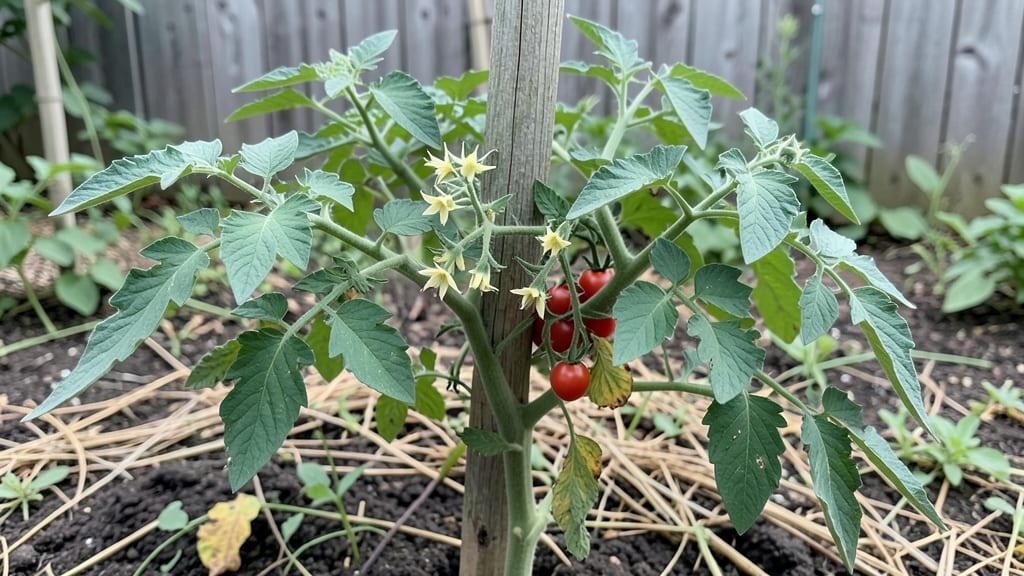
Federle tomato seeds might look tiny, but they pack the potential for vibrant red heirloom tomatoes that taste like summer in every bite.
I’ve grown this variety for three seasons now, and the secret to their success isn’t just luck—it’s understanding how they germinate fast, thrive in heat, and resist common diseases better than most store-bought plants.
The first step is getting those seeds to sprout within 7-10 days using a simple mix of peat moss and perlite. Once they’re up, you’ll want to harden them off for 10-14 days before transplanting into warm soil—no need for fancy equipment, just a sunny spot and consistent moisture.
Federles grow 6-8 feet tall, so plan for sturdy stakes or cages early.
By midsummer, you’ll be harvesting 2-3 inch tomatoes that burst with sweetness and just the right tang. The plants handle humidity well, making them perfect for Southern gardens, and their disease resistance means fewer chemical sprays. The real payoff? A harvest that keeps coming until first frost.
Whether you’re growing in raised beds or containers, Federles adapt easily. The key is patience—these tomatoes take 70-80 days to fruit, but every seed you plant now means homegrown flavor next summer. Let’s get those seeds started right!
📚 In This Guide
- What you need
- Instructions
- Tips and common mistakes
- Wrapping up and next steps
What you need
- ● Federle tomato seeds – Start with 1 packet (50-100 seeds) for a small garden or 2+ packets for larger yields.
- ● Seed-starting mix – 10-15 lbs of sterile, lightweight potting soil (avoid garden soil—it’s too dense!).
- ● Seed trays or biodegradable pots – 50-100 cell trays (3-4 inches deep) or 2-3 inch pots for transplanting.
- ● Grow lights or sunny windowsill – A full-spectrum LED grow light (12-16 hrs/day) or a south-facing window with direct sunlight.
- ● Spray bottle – For gentle watering (avoid oversaturating seeds!).
- ● Plant labels & marker – To track varieties (Federle tomatoes love organization!).
- ○ Heat mat (optional) – A seedling heat mat (70-80°F) speeds up germination.
- ● Fertilizer – Balanced liquid fertilizer (5-5-5 or 10-10-10) for seedlings or compost tea for organic growth.
- ● Garden gloves – Protect your hands from soil and prickly stems!
- ● Warmth – Federle seeds germinate best at 70-85°F.
- ● Patience – Germination takes 7-14 days (keep soil moist but not soggy!).
- ● Space – Transplant seedlings to 18-24 inches apart in full sun (6+ hours/day).
- ● Support – Cages or stakes (5-6 ft tall) for indeterminate Federle vines.
Step-by-step instructions for growing Federle tomato seeds
Here's the foolproof method I've used for years to coax these prized heirlooms into robust, productive plants.
Prepare Containers and Seed Starting Mix
Fill clean, 2-3 inch deep containers with the sterile seed-starting mix—this prevents damping-off and gives seedlings strong roots from day one. I press the mix down lightly to eliminate air pockets, then moisten it until it holds together when squeezed but doesn't drip. The right texture feels like a damp sponge: firm enough to support seedlings but loose enough for roots to penetrate easily.
I always use biodegradable pots because they let me transplant without disturbing the delicate root systems Federle varieties develop. Place your containers in a warm spot—ideally 75-80°F—since these heirlooms germinate best in consistent warmth. If your home runs cooler, a seedling heat mat set to 70°F will speed up germination significantly.
Sow Seeds at Proper Depth
Plant 1-2 seeds per cell at a depth of about ¼ inch, which is roughly the diameter of a Federle seed. Sowing too deep forces seedlings to work harder to reach light, delaying growth. Cover the seeds with a thin layer of additional mix, then mist the surface gently with a spray bottle until evenly moist. A heavy watering can will dislodge seeds or bury them too deeply.
I label each pot immediately with the variety and date—after a week of identical green sprouts, you'll forget which is which. Place the trays under a grow light or in a south-facing window (though natural light alone often isn't sufficient for Federle's vigorous growth). The key is keeping the soil consistently moist but never soggy during germination.
Provide Optimal Light and Airflow
Once seedlings emerge—typically in 7-10 days—remove any plastic domes immediately. Federle varieties need excellent airflow to prevent fungal diseases. Position a full-spectrum LED grow light 2-3 inches above the seedlings and keep it on for 14-16 hours daily. Without sufficient light, seedlings stretch toward the source, becoming leggy and weak.
You'll know your light is working when seedlings develop deep green, compact leaves with stems that feel sturdy when pinched gently. If you notice stems bending toward the light or leaves spaced more than 1 inch apart, raise the light immediately. Federle tomatoes respond beautifully to strong, consistent light once they're established.
Harden Off and Transplant
About 2 weeks before your last frost date, begin hardening off seedlings by placing them outside in a sheltered spot for 1-2 hours daily. Gradually increase their outdoor time over 10-14 days, moving them to sunnier locations each day. This gradual transition prevents transplant shock that can stunt Federle's vigorous growth.
When transplanting, bury seedlings slightly deeper than they were in pots—up to the first set of true leaves. This encourages stronger root systems. Water deeply at the base immediately after planting, then mulch with 2-3 inches of organic mulch to retain moisture and regulate soil temperature. Federle varieties thrive in full sun and well-draining soil, so choose a location that gets at least 8 hours of sunlight daily.
Tips & tricks for growing Federle tomato seeds
Mastering Federle tomato seeds requires attention to detail at every stage—here's how to maximize your chances of success with these prized heirlooms.
Temperature Control: Maintaining the ideal 75-80°F range during germination is non-negotiable for Federle seeds. I place my seed trays on a seedling heat mat set to 70°F when my home runs cooler than 70°F—this consistent warmth triggers germination within the expected 7-10 days. If your seeds take longer than 14 days to sprout, consider investing in a digital thermometer to monitor soil temperature precisely. The difference between reliable germination and frustration often comes down to these few degrees.
Lighting Strategy: The 14-16 hours of daily light in Step 3 is crucial for preventing leggy seedlings. I position my full-spectrum LED grow lights 2-3 inches above the seedlings and adjust the height as they grow. Watch for leaves spaced more than 1 inch apart—this is your signal to raise the lights immediately. Federle varieties particularly appreciate this consistent light exposure, which develops their characteristic robust growth pattern. For natural light options, place trays on a south-facing windowsill but supplement with a grow light during cloudy days.
Harden Off Gradually: The 1-2 hours daily outdoor exposure during hardening off might seem minimal, but this gradual transition is what prevents transplant shock in Federle's delicate root systems. I start with just 1 hour in partial shade, then increase by 30 minutes each day until reaching full sun exposure. This method mimics natural conditions and helps seedlings develop stronger cell walls. Remember, Federle tomatoes thrive in full sun once established, so this acclimation period prepares them perfectly for their final growing environment.
Transplanting Technique: When transplanting, burying seedlings up to their first true leaves encourages stronger root development. I make a small hole with my finger, place the seedling gently, then cover with soil while maintaining the original planting depth. This method prevents stem damage while promoting extensive root growth. After transplanting, I water deeply at the base to settle the soil and establish good root-to-soil contact—a critical step for Federle's vigorous growth habit.
Pro Tips for Federle Tomato Seeds
- Mastering Federle tomato seeds requires attention to detail at every stage—here's how to maximize your chances of success with these prized heirlooms.
- Temperature Control: Maintaining the ideal 75-80°F range during germination is non-negotiable for Federle seeds.
- Lighting Strategy: The 14-16 hours of daily light in Step 3 is crucial for preventing leggy seedlings.
Frequently asked questions
Got questions about growing Federle tomato seeds?
You’re not alone! Here are answers to the most common queries—from planting tips to troubleshooting—so you can grow these delicious heirloom tomatoes like a pro.
When is the best time to plant Federle tomato seeds?
Start Federle tomato seeds indoors 6–8 weeks before your last frost date. Transplant seedlings outdoors after soil reaches 55–65°F (13–18°C) and nighttime temps stay above 50°F (10°C). For warm climates, direct-sow seeds after the last frost when soil is consistently warm. Pro tip: Use a seedling heat mat if your home runs cold!
How long does it take for Federle tomatoes to mature?
From seed to harvest, Federle tomatoes typically take 75–90 days in ideal conditions. Count days from transplanting (not sowing) to estimate your harvest window. Patience pays off! These beefsteak varieties grow large, so give plants plenty of space (2–3 feet apart) and support (cages or stakes) as they mature.
Can I save Federle tomato seeds for next year?
Federle tomatoes are heirloom, meaning you can save seeds from your harvest. Scoop gel from ripe tomatoes, ferment the pulp in water for 2–3 days, then rinse and dry seeds on paper towels. Store in a cool, dark place for up to 3–5 years. Pro tip: Label seeds clearly—varieties can mix if planted near others!
Why aren’t my Federle tomato plants flowering or fruiting?
Common culprits include temperature stress (below 55°F or above 90°F), lack of sunlight (6+ hours daily), or over-fertilizing with nitrogen (which promotes leaves over flowers). Try:
- Moving plants to a sunnier spot.
- Reducing water slightly to stress roots (encourages blooms).
- Switching to a low-nitrogen, high-phosphorus fertilizer (like 5-10-10).
If humidity is low, mist leaves or use a fan to improve pollination.
What are some good companion plants for Federle tomatoes?
Federle tomatoes thrive with:
- Basil (repels pests, boosts flavor).
- Marigolds (deter nematodes and insects).
- Carrots or onions (break up soil, deter pests).
Avoid planting near: brassicas (cabbage family), fennel, or corn (they compete for nutrients). Bonus: Interplant with lettuce or radishes for efficient space use!
Wrapping up and next steps
Growing Federle tomato seeds unlocks a world of flavor and nostalgia—imagine juicy, heirloom tomatoes bursting with sweetness straight from your garden! 🍅 With the right soil, patience, and a few pro tips, you’re well on your way to a homegrown harvest that rivals store-bought (and tastes 100x better).
Whether you’re a seasoned gardener or a curious beginner, these seeds offer a rewarding challenge and a delicious payoff.
Ready to dive in? Start by ordering your seeds from a trusted supplier, then sketch out your garden plan—sunny spot, sturdy stakes, and all. Your future self (and taste buds) will thank you!