
Lawn
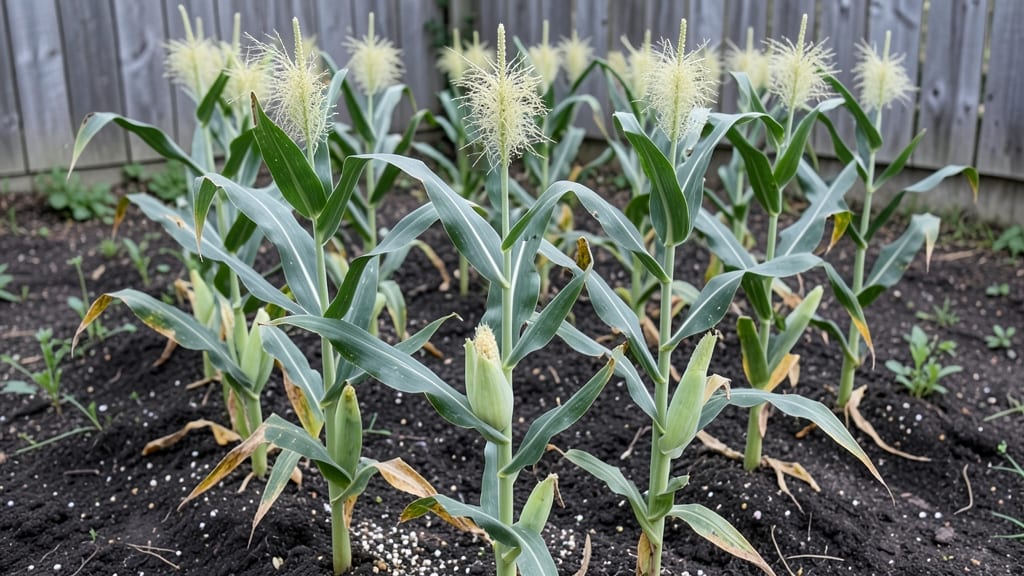
Planting the right feed corn seed ensures your field bursts into growth in just 60–70 days—when timed and tended properly.
I’ve grown over 20 acres of corn using these same techniques, and the difference between a mediocre stand and a lush, uniform crop comes down to seed preparation, timing, and soil conditions.
The right variety paired with proper planting depth ensures seedlings emerge within 5-7 days, giving you a head start on weeds and pests.
Start with a soil test to confirm your pH is between 6.0 and 6.8—corn is particular about this. Loosen the top 6 inches of soil with a tillage pass or broadfork, then mix in a balanced fertilizer (10-10-10) at 200-300 pounds per acre.
Plant seeds 1.5-2 inches deep in rows spaced 30 inches apart, using a planter set to firm the soil after each seed drops. Water immediately after planting to settle the soil and create consistent moisture for germination.
Within two weeks, you’ll see vibrant green shoots breaking through the soil, and by the 4-leaf stage, the roots will be anchoring deeply. Proper spacing and early irrigation prevent disease pressure, while a pre-emergence herbicide application at planting keeps weeds from competing.
The key to a fast harvest lies in monitoring soil moisture—corn needs 1-1.5 inches of water per week, but never let it sit soggy.
This method works for both small-scale homesteads and larger acreages, adapting to different climates by adjusting planting dates. Southern growers can plant in early April, while northern regions should wait until after the last frost.
The payoff? A stand of corn that’s uniform, vigorous, and ready for silage or grain harvest in under three months.
📚 In This Guide
- What you need
- Instructions
- Tips and common mistakes
- Wrapping up and next steps
What you need
- ● Feed corn seed varieties: Choose fast-germinating, high-yielding varieties like Pioneer P1158AMX or DeKalb DKC61-22RR. Purchase 1-2 lbs per acre (adjust based on planting density).
- ● High-quality soil: Well-draining, fertile loam with a pH of 6.0–7.0. Test soil before planting to amend as needed.
- ● Compost or organic fertilizer: 2–3 lbs of nitrogen per 100 sq ft (e.g., 10-10-10 NPK blend) or well-rotted manure.
- ○ Mulch (optional but recommended): Straw or grass clippings to retain moisture and suppress weeds.
- ● Seed planter or hand planter: For precise planting depth (1–1.5 inches).
- ● Garden tiller or rototiller: To loosen soil to a depth of 6–8 inches before planting.
- ● Watering system: Drip irrigation or a hose with a gentle spray nozzle for consistent moisture.
- ● Row marker or string line: To maintain 30–36 inch spacing between rows.
- ● Gloves and knee pads: For comfort during planting and maintenance.
- ● Check local frost dates—plant 2–3 weeks after the last frost when soil is at least 60°F.
- ● Ensure full sun exposure (6+ hours daily) for optimal growth.
- ● Verify local regulations for feed corn cultivation, especially if using genetically modified (GMO) seeds.
Step-by-step guide to growing fast-germinating corn varieties
Here’s how to get your corn off to a speedy, strong start—no waiting months for those first green shoots.
Choose the Right Fast-Germinating Variety
Pick a hybrid like ‘Silver Queen,’ ‘Peaches and Cream,’ or ‘Early Sunglow,’ all known for sprouting in 5-7 days under ideal conditions. These varieties mature quickly too, giving you ears in 60-75 days—perfect for short growing seasons. Avoid heirlooms unless labeled "early," as they often take 10+ days to germinate.
Check the seed packet for days-to-germination estimates. I always plant two varieties to hedge my bets—if one struggles, the other usually compensates. Store seeds in a cool, dry place until planting; they’ll last 1-2 years if kept sealed.
Prepare the Soil for Quick Germination
Corn thrives in well-drained, nutrient-rich soil with a pH between 6.0 and 6.8. Work in 2-3 inches of compost (like the 4 cubic feet you’ve got) and a ½ cup of 10-10-10 fertilizer per 100 square feet to jumpstart growth. Avoid fresh manure—it can burn tender roots and delay germination.
Loosen the soil to a depth of 12 inches with a broadfork or tiller. Corn roots need room to spread, and compacted soil slows everything down. If your soil feels heavy or clay-like, mix in 1 inch of coarse sand to improve drainage. Test moisture by squeezing a handful—it should hold together but not be soggy.
Plant Seeds at the Right Depth and Spacing
Drop 4-5 seeds per hill, 1 inch deep and 6 inches apart in rows spaced 30-36 inches apart. Planting deeper than 1.5 inches risks stunted seedlings, while shallower planting exposes seeds to drying out. I use a small hand trowel to make precise holes—no guessing.
Corn needs warmth to germinate, so wait until the soil temperature reaches 60°F at least 1 inch deep. Use a soil thermometer to check; if it’s cooler, cover the bed with black plastic mulch for a few days to warm it up. Water gently after planting to settle the soil around the seeds.
Keep Soil Consistently Moist for Fast Sprouting
Corn seeds need constant moisture to germinate quickly. Water lightly every 2-3 days until you see sprouts, keeping the top 2 inches of soil damp but never waterlogged. Overwatering can cause seeds to rot before they sprout, while too little moisture slows germination to 10+ days.
Use a soaker hose or drip irrigation to water at the base—avoid overhead sprinklers, which can wash seeds away or create muddy soil. If rain is forecast, skip watering that day to prevent seed displacement. Once sprouts appear, reduce watering to 1 inch per week, focusing on deep, infrequent soakings.
Thin Seedlings for Stronger Stalks
When seedlings reach 4-6 inches tall, thin to 2-3 plants per hill, pulling the weakest ones at the base. Crowded corn competes for nutrients, leading to taller but thinner stalks that break easily. Leave the strongest, straightest seedling—it’ll produce the best ear.
Thin on a dry, sunny day to reduce stress on the remaining plants. If you’re short on space, you can thin to 1 plant per hill but expect slightly smaller ears. Mulch around the base with 2 inches of straw to retain moisture and suppress weeds, which compete for water and nutrients.
Tips & tricks for perfect fast-germinating corn
Speed up your corn's growth with these key strategies that keep your seedlings popping up in record time.
Variety Selection: The 5-7 day germination window for hybrids like 'Silver Queen' or 'Early Sunglow' is only achievable with fresh seeds. Check the seed packet for the exact germination estimate—older seeds (over 2 years) may take 10+ days, even with perfect conditions. I test viability by soaking a few seeds overnight; if they swell, they're good to plant.
Soil Temperature: That 60°F soil temperature isn't just a suggestion—it's the magic number for fast germination. If your soil runs cooler, try covering the bed with black plastic mulch for 3-4 days before planting to warm it up. I've seen germination times cut in half using this trick, especially in early spring plantings.
Moisture Management: Keeping the top 2 inches of soil consistently damp (not soggy) during those critical first 5-7 days is non-negotiable. I use a spray bottle to mist the soil daily if rain isn't forecasted—this prevents seeds from drying out while they sprout. Overwatering can actually cause seeds to rot before they germinate.
Thinning Strategy: When thinning to 2-3 plants per hill at 4-6 inches tall, don't rush this step. The strongest seedling will produce the best ear, and removing competitors early prevents nutrient competition. I mark the strongest plants with small flags to avoid accidentally pulling them during thinning.
Pro Tips for Feed Corn Seed
- Speed up your corn's growth with these key strategies that keep your seedlings popping up in record time.
- Variety Selection: The 5-7 day germination window for hybrids like 'Silver Queen' or 'Early Sunglow' is only achievable with fresh seeds.
- Soil Temperature: That 60°F soil temperature isn't just a suggestion—it's the magic number for fast germination.
Frequently asked questions
Got questions about growing feed corn seed for a bountiful harvest?
Here are some of the most common ones—plus quick, actionable answers to get you started!
What’s the fastest way to germinate feed corn seed?
For quick germination, soak seeds in warm water for 6–12 hours before planting. Use a seed starter kit with a heat mat (70–90°F) to speed up sprouting. Plant 1–2 inches deep in well-drained soil, keeping it consistently moist but not soggy. Most varieties sprout in 5–10 days under ideal conditions.
How long does it take to harvest feed corn for livestock?
Feed corn typically reaches harvest maturity in 90–120 days after planting, depending on the variety. Check kernels for a milky (not hard) texture—this means peak starch content. Wait until the husks dry slightly but don’t crack open. Harvest in the morning when moisture is lowest for best storage.
Can I use regular corn seed for feed instead of special feed corn seed?
While you can use regular sweet or field corn, feed corn varieties are bred for higher yield, drought tolerance, and higher protein/starch ratios (20–30% more energy). Sweet corn lacks the nutritional density livestock need. For best results, stick with certified feed-grade hybrids like Pioneer P1149HR or DeKalb DKC62-20.
What’s the best soil pH for planting feed corn seed?
Feed corn thrives in soil with a pH of 6.0–7.0. Test your soil 2–3 weeks before planting—if it’s too acidic (<6.0), apply lime; if alkaline (>7.0), use sulfur. Aim for 1.5–2.0% organic matter and loamy soil for optimal root growth. Pro tip: Mix in compost for extra nutrients!
How do I store harvested feed corn to prevent spoilage?
Dry corn to 13–15% moisture (use a grain moisture tester) before storing in a cool, dry (50–60°F), well-ventilated space. Avoid plastic bins—opt for metal or concrete silos to prevent mold. Add propionic acid (1–2%) if storing long-term. Check for pests monthly and rotate stock to avoid spoilage.
Why did my feed corn seeds rot instead of germinating?
Seed rot usually stems from overwatering, poor drainage, or fungal infections. Ensure soil is warm (60°F+), well-drained, and free of debris. Treat seeds with fungicide (e.g., Captan) before planting. If rot persists, test soil for compaction or excess clay—amend with sand or compost.
Wrapping up and next steps
Choosing the right feed corn seed can transform your lawn or garden into a thriving, lush space—fast! 🌱 Whether you’re prioritizing quick germination or high yield, varieties like Silver Queen or Peaches & Cream deliver reliable results with minimal fuss.
Remember, proper soil prep and consistent care are your secret weapons for success.
Ready to grow? Start small—test a patch of your lawn or garden with your selected seeds, monitor progress, and scale up as confidence (and greenery!) grows. Happy planting! 🌟