
Lawn
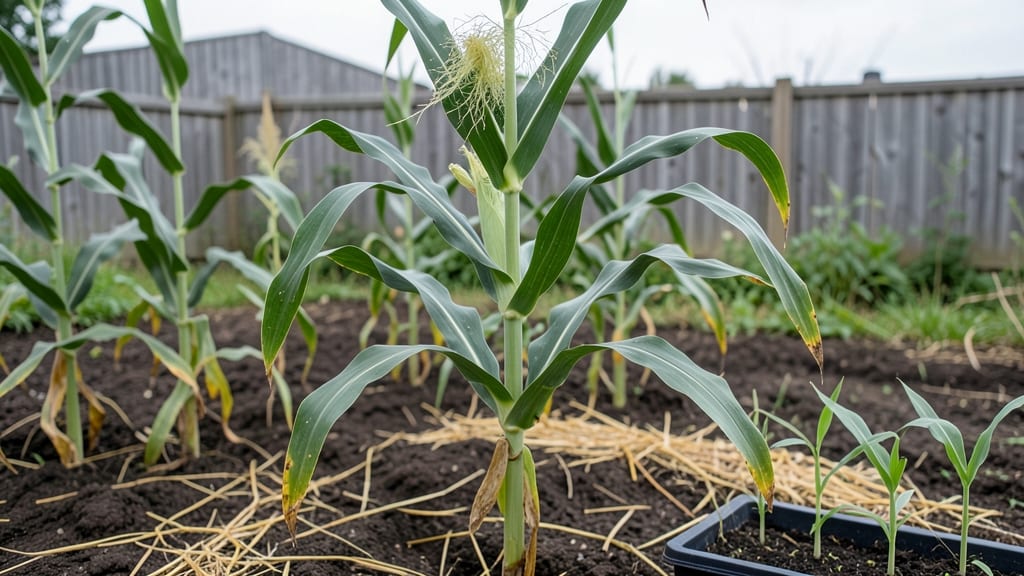
Growing corn salad from seed starts with the right corn salad seed recipe—one that includes cold-stratification to break dormancy. I’ve struggled with erratic germination until I discovered this simple pre-treatment that guarantees reliable sprouts, even in cool springs.
The secret lies in mimicking winter’s natural chill period, which tricks seeds into thinking it’s time to grow.
You’ll need just three things: a damp paper towel, a sealed plastic bag, and your refrigerator’s crisper drawer. This cold-stratum germination method takes about 4-6 weeks, but it transforms flaky germination rates into predictable, strong seedlings.
Once stratified, sow seeds directly in well-draining soil with morning sun and afternoon shade—they’ll thrive without the fuss of transplant shock.
By late spring, you’ll harvest tender, peppery leaves perfect for salads or garnishes. The plants stay productive for 6-8 weeks, giving you a steady supply of fresh greens.
Just watch for slugs and aphids—they love corn salad as much as you do—and keep soil moist but not soggy to prevent rot.
This method works in USDA Zones 3-9, making it adaptable for early spring or fall planting. Whether you’re growing in containers or garden beds, the same principles apply—just adjust spacing to 6-12 inches apart for bushier plants. Let’s get those seeds sprouting reliably!
📚 In This Guide
- What you need
- Instructions
- Tips and common mistakes
- Wrapping up and next steps
What you need
- ● Corn salad seeds: ½ teaspoon (about 100-150 seeds) – choose organic, non-GMO seeds for best results.
- ● Cold-stratification supplies: Small resealable plastic bag or container
- ● Moistened paper towel or dampened coffee filter
- ● Refrigerator with a temperature range of 35–40°F (2–4°C)
- ● Growing medium: Seed-starting mix (sterilized, peat-based or coconut coir blend)
- ● Small pots or seed trays (2–3 inches deep) with drainage holes
- ● Growing environment: Grow lights or a sunny windowsill (6+ hours of light daily)
- ● Spray bottle for gentle watering
- ● Tools: Small hand trowel or spoon for transplanting
- ● Fine-mesh sieve (for sifting seed-starting mix)
- ● Humidity dome or plastic wrap (to retain moisture during germination)
- ○ Optional upgrades: Heating mat (to speed up germination if indoors)
- ● pH testing kit (ideal soil pH: 6.0–7.0)
- ● Organic fertilizer (balanced 10-10-10 or compost tea for young seedlings)
Step-by-step instructions for cold-stratum germination of corn salad seeds
Here's the precise method I use to break corn salad's dormancy and ensure strong, reliable germination.
Prepare the Seeds for Stratification
Place the corn salad seeds in a small bowl and cover them with lukewarm water for 12 hours. This softens the outer seed coat, which is naturally tough and slows germination. After soaking, drain the water completely and spread the seeds in a single layer on a paper towel. Fold the towel to cover them loosely—this prevents moisture buildup while keeping them damp.
Moisten the towel with a spray bottle until it feels evenly damp but not soggy. You'll know it's right when water beads form on the surface without pooling. Place the towel and seeds in a resealable plastic bag and seal it tightly. This creates a humid environment that mimics winter moisture while preventing mold.
Stratify in the Refrigerator for Dormancy Break
Store the sealed bag in the refrigerator for 4-6 weeks. The cold temperature mimics the natural winter period corn salad seeds require to break dormancy. Check the bag every 7 days and mist the towel lightly if it feels dry to the touch. Overly dry seeds won't germinate, but too much moisture risks mold.
I like to place the bag on a middle shelf where the temperature stays consistently around 35-40°F. Avoid the crisper drawer—it's often too cold and can damage the seeds. If condensation forms inside the bag, open it slightly for 30 minutes to let excess moisture escape before resealing.
Warm Up and Plant for Germination
After 4-6 weeks, remove the bag from the refrigerator and let it sit at room temperature for 24 hours to acclimate. This gradual warming prevents shock to the seeds. Plant the stratified seeds ½ inch deep in a well-draining seed-starting mix—corn salad dislikes soggy soil, so ensure your mix contains perlite or vermiculite for aeration.
Water gently until the soil feels evenly moist but not waterlogged. Place the container in a bright, indirect light spot—direct sunlight at this stage can overheat the soil. You'll see the first signs of germination in 7-14 days, depending on your climate. If no sprouts appear after 2 weeks, repeat the stratification process for another 2 weeks before replanting.
Provide Optimal Growing Conditions
Once seedlings emerge, move them to a location with 4-6 hours of morning sun and partial afternoon shade. Corn salad thrives in cool temperatures (50-65°F)—if your spring or fall weather exceeds 70°F, the plants will bolt (flower prematurely) and become bitter. Thin seedlings to 6 inches apart to prevent overcrowding, which reduces air circulation and invites fungal diseases.
Water at the soil level rather than overhead to avoid wetting the leaves, which can lead to mildew. Keep the soil consistently moist but never soggy—corn salad has shallow roots and dries out quickly. You'll know your care is on track when plants develop lance-shaped leaves and a rosette growth habit before flowering.
Tips & tricks for perfect corn salad seed germination
The key to reliable corn salad germination lies in precise timing and environmental control—here's how to optimize each critical stage.
Soaking Precision: The 12-hour lukewarm water soak is non-negotiable for breaking the seed coat's dormancy. Use water between 80-90°F—too hot will scald the seeds, too cold won't soften the coat effectively. I place my bowl in a sink with about 2 inches of water to maintain consistent temperature throughout the soaking period. After draining, gently blot the seeds with paper towels to remove excess moisture before transferring to the towel—this prevents mold during stratification.
Stratification Environment: The 4-6 week refrigerator period requires consistent 35-40°F temperatures—never use the crisper drawer as it can drop below 35°F and damage the seeds. I place a small thermometer inside the bag during the first week to verify temperature stability. If your refrigerator has hot spots, rotate the bag weekly to ensure even exposure. The weekly misting should add just enough moisture to maintain dampness without creating condensation—think of it as mimicking winter's gentle moisture cycles.
Acclimation Critical: That 24-hour room temperature acclimation after stratification is where most failures occur. I recommend placing the bag in a spot with ambient room temperature (around 68-70°F) rather than near heat sources or drafts. This gradual warming prevents osmotic shock that would otherwise inhibit germination. You'll notice the seeds appear slightly plump and ready for planting after this period—this visual cue confirms they're properly prepared.
Planting Depth Science: The ½-inch planting depth might seem shallow, but corn salad seeds need this minimal coverage to access both moisture and light for initial growth. I use a toothpick to create precise holes in the seed-starting mix, then place one seed per hole before gently covering with mix. Press lightly to ensure good soil contact—this prevents air pockets that could delay germination. The well-draining mix is crucial here; if your mix lacks perlite, add 20% by volume to improve aeration.
Pro Tips for Corn Salad Seed
- The key to reliable corn salad germination lies in precise timing and environmental control—here's how to optimize each critical stage.
- Soaking Precision: The 12-hour lukewarm water soak is non-negotiable for breaking the seed coat's dormancy.
- Stratification Environment: The 4-6 week refrigerator period requires consistent 35-40°F temperatures—never use the crisper drawer as it can drop below 35°F and damage the seeds.
Frequently asked questions
Got questions about growing corn salad (valerianella locusta) from seed? You’re not alone! Here are answers to the most common queries to help you cultivate this peppery, cold-hardy green with ease.
How long does it take for corn salad seeds to germinate?
Corn salad seeds typically sprout in 10–21 days when kept in consistent moisture and cool temperatures (45–65°F). For faster results, pre-chill seeds for 1–2 weeks (stratification) before planting. Patience is key—these seeds are slow starters!
Can I grow corn salad in hot weather?
Corn salad thrives in cool-season conditions (spring/fall) and bolts or goes bitter in summer heat (above 75°F). For summer harvests, opt for shade cloth or grow it in partial shade. If temperatures rise, prioritize succession planting in early spring or late summer.
What’s the best way to store corn salad seeds for next year?
Store seeds in a cool, dry place (35–40°F) in an airtight container with a silica gel packet to absorb moisture. Label the container and use within 2–3 years for best viability. Avoid refrigeration—it can increase humidity and reduce germination rates.
Why aren’t my corn salad seeds sprouting?
Common culprits include:
- Poor soil contact: Press seeds lightly into soil (¼ inch deep).
- Inconsistent moisture: Keep soil damp but not soggy.
- Warm soil: Corn salad needs cool temps—try a seedling mat or shade cloth.
- Old seeds: Test viability by soaking a few in water—if they sink, they’re likely good!
What’s a good alternative if corn salad seeds are hard to find?
If corn salad seeds are unavailable, try these peppery, cold-hardy greens:
- Winter purslane (Claytonia) – Fast-growing, mild flavor.
- Arugula – Spicy kick, loves cool weather.
- Field peas (snow peas) – Edible pods and shoots.
- Mâche (corn salad’s cousin) – Similar texture, slightly sweeter.
All thrive in similar conditions and can be interplanted for continuous harvests!
Wrapping up and next steps
Growing corn salad (also known as mache) from seed using cold-stratification is a rewarding way to enjoy fresh, peppery greens in your garden or lawn. By following the steps outlined—from seed selection to proper chilling and planting—you’ll set yourself up for vibrant, reliable blooms and a bountiful harvest.
Whether you’re a seasoned gardener or a beginner, this method ensures success with minimal fuss.
Ready to dive in? Start small with a batch of seeds this season—you’ll be savoring homegrown corn salad in no time! 🌱 For extra inspiration, explore companion planting tips or creative ways to use your harvest in salads and sandwiches.