Propagation
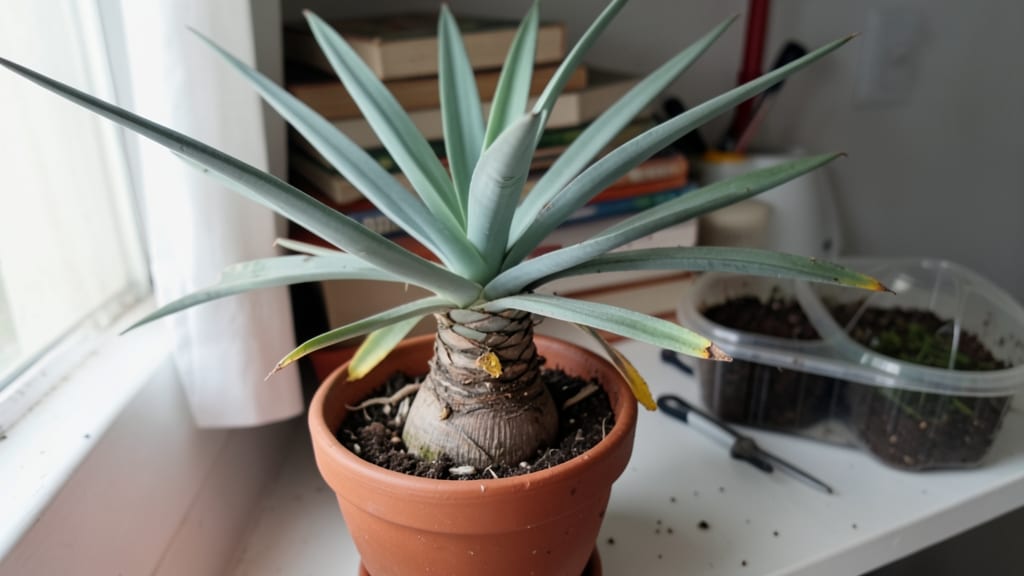
Germinating yucca seeds isn't just about patience—it's about creating the right cozy conditions to wake them up. 🌱 I spent years watching seeds languish in cool, dry soil until I learned the two secrets: warmth and consistent moisture that mimics their desert origins.
The difference between a seedling popping up in weeks versus months comes down to these simple adjustments most gardeners miss.
Start with a shallow tray filled with a mix of cactus soil and perlite—this ensures drainage while holding enough moisture to keep seeds happy. Place the tray on a seedling heat mat set to 80-85°F, then cover it with plastic wrap to trap humidity.
Check moisture daily; the soil should stay damp but never soggy—yucca seeds need that steady, gentle drink to break dormancy.
Within 2-4 weeks, you'll see tiny sprouts pushing through, their first leaves unfurling like tiny swords. These early seedlings are delicate but tough—keep them in bright, indirect light and avoid disturbing them until they've got 2-3 true leaves.
That's when you can ease them into stronger sunlight, where they'll grow into hardy plants ready for transplanting.
Here's the kicker: most germination failures happen because people either overwater (rotting seeds) or underestimate how warm they need to be. Yucca seeds are stubborn but not impossible—just give them what they crave, and they'll reward you with fast, vigorous growth that turns heads in any garden.
📚 In This Guide
- What you need
- Instructions
- Tips and common mistakes
- Wrapping up and next steps
What you need
- ● Yucca seeds: Fresh or stored seeds (ensure they’re viable—test by soaking in warm water for 24 hours; if they sink, they’re good to go!).
- ● Seed-starting mix: A well-draining, sterile potting mix (look for a blend labeled for cacti/succulents or add perlite/pumice for extra drainage). Quantity: Enough to fill your chosen container (typically 2–4 inches deep).
- ● Containers: Small pots or seed trays (with drainage holes!) – Size: 2–3 inches in diameter for individual seeds.
- ● OR a shallow tray with a clear lid (to retain humidity).
- ● Grow lights or sunny windowsill: Yucca seeds need bright light (12–16 hours/day). A full-spectrum LED grow light is ideal if natural light is limited.
- ● Spray bottle: For gentle watering (avoid soaking the mix!).
- ○ Heat mat (optional but helpful): A seedling heat mat set to 75–85°F (24–29°C) speeds up germination.
- ● Humidity dome or plastic wrap: To create a mini greenhouse effect while seeds germinate.
- ● Fungicide: A light dose of hydrogen peroxide (3%) or mycorrhizal powder to prevent mold in damp conditions.
- ● pH test kit: Yucca prefers slightly acidic to neutral soil (pH 6.0–7.0).
- ● Labeling tags: To track planting dates and seed varieties.
- ● Fertilizer (post-germination): A balanced, diluted liquid fertilizer (5-5-5) once seedlings sprout their first true leaves.
- ● Thermometer/hygrometer: To monitor soil temp and humidity levels.
Step-by-step instructions for germinating yucca seeds
Yucca seeds are stubborn little things—but with the right warmth and moisture, you'll coax those sprouts along faster.
🌱 Step 1: Prepare the Seed Starting Mix and Containers
Fill your 4-inch deep containers with a well-draining mix of 50% perlite and 50% cactus/succulent soil. Yucca roots need air, and this blend prevents rot while holding just enough moisture. I like to add a handful of coarse sand to improve drainage further—think of it as giving those seeds a dry start to mimic their desert origins.
Moisten the mix until it feels like a damp sponge—not dripping, but with enough moisture that it holds together when squeezed. Press it down lightly so the surface is firm. This prevents seeds from sinking too deep, which can delay germination. A loose, airy medium is key here—yucca seeds won’t tolerate soggy conditions.
💧 Step 2: Sow Seeds and Maintain Consistent Moisture
Scatter the seeds on the surface—no need to bury them. Yucca seeds require light to germinate, so pressing them just barely into the soil (about ⅛ inch deep) is enough. Space them ½ inch apart to avoid overcrowding later. I use a small spoon to gently press them into place, ensuring good soil contact for moisture absorption.
Mist the surface lightly with a spray bottle until the top layer looks uniformly damp. The goal is to keep the soil consistently moist but never soggy. Place the container in a sealed plastic bag or under a humidity dome to trap warmth and moisture. Check daily—condensation on the bag means you’re on the right track. If the soil dries out, mist again, but avoid soaking.
☀️ Step 3: Provide Warmth and Indirect Light
Yucca seeds germinate best in 75-85°F conditions. Place the container on a seedling heat mat or in a warm spot like on top of the fridge. A sunny windowsill works, but avoid direct midday sun—it can overheat the soil and dry it out too quickly. Instead, position it near a bright, indirect light source, like a few feet from an east-facing window.
You’ll see the first signs of germination in 10-21 days, though some seeds may take longer. Watch for tiny green shoots pushing through the soil—this is your cue to remove the humidity dome immediately. Once sprouts appear, reduce misting to prevent fungal issues. Yucca seedlings are delicate at first, so handle them gently to avoid disturbing their roots.
🌿 Step 4: Transition to Individual Pots and Gradual Sun Exposure
When seedlings reach 2-3 inches tall and have developed their first true leaves (not just the initial seed leaves), it’s time to transplant them into 4-inch pots. Use the same perlite-cactus mix to maintain drainage. Gently loosen the roots from the container and place each seedling in its own pot, burying it just below the soil line where it stood before.
Hardening off begins here. Move the pots outside for 2-3 hours daily, gradually increasing exposure over 7-10 daysfull sun, so once hardened off, place them in the brightest spot you have—just be patient as they adjust.
Tips & tricks for perfect yucca seed germination
Yucca seeds might seem stubborn, but these precise techniques will help you coax those sprouts along reliably.
Soil Texture Matters: The 50/50 perlite-to-cactus soil blend is non-negotiable—yucca roots need that perfect balance of aeration and moisture retention. After mixing, I press the soil firmly enough to create a stable surface, but not so hard that it becomes compacted. Think of it like packing snow for a snowball: firm enough to hold shape, but still light enough to breathe. This prevents seeds from sinking too deep, which can delay germination by weeks.
Temperature Consistency is Key: Those 75-85°F conditions aren't just a suggestion—they're the sweet spot where yucca seeds decide to wake up. I've found that placing the container on top of the fridge (where it's naturally warm) works better than most heat mats, which can create hot spots. If your home runs cooler, consider a simple seedling heat mat set to maintain the lower end of that range. Consistency is everything—fluctuations below 70°F can send seeds into dormancy mode.
Moisture Management: The "damp sponge" test in Step 1 is your best friend. To check moisture levels, squeeze a handful of soil—it should hold together but not drip water. I use a spray bottle to mist daily, but I've learned the hard way that overzealous watering leads to rot. If condensation forms on your humidity dome, that's good—it means you've got the right balance. Remove the dome immediately when you see those first green shoots, as excess moisture can cause fungal issues.
Light Strategy: While indirect light is crucial during germination, don't be afraid to rotate your containers every few days. Yucca seedlings grow toward the light source, and uneven growth can lead to leggy, weak plants. After the 10-21 day germination window, you'll want to transition them to brighter conditions—but never direct midday sun until they've hardened off. I've seen seedlings go from delicate sprouts to sturdy plants just by being patient with this gradual light adjustment.
Pro Tips for Germinating Yucca Seeds
- Yucca seeds might seem stubborn, but these precise techniques will help you coax those sprouts along reliably.
- Soil Texture Matters: The 50/50 perlite-to-cactus soil blend is non-negotiable—yucca roots need that perfect balance of aeration and moisture retention.
- Temperature Consistency is Key: Those 75-85°F conditions aren't just a suggestion—they're the sweet spot where yucca seeds decide to wake up.
Frequently asked questions
Got questions about germinating yucca seeds? You’re not alone! Here are some of the most common concerns—and their solutions—to help you succeed.
How long does it take for yucca seeds to germinate?
Yucca seeds can take anywhere from 2 weeks to 3 months to sprout, depending on temperature, moisture, and seed viability. Most seeds germinate within 4–8 weeks under ideal conditions (warmth, consistent dampness, and indirect light). Patience is key—don’t disturb the soil while waiting!
What’s the best temperature for germinating yucca seeds?
Yucca seeds thrive in warmth, ideally between 70–85°F (21–29°C). Use a seedling heat mat or place the tray on top of your fridge to maintain steady warmth. Avoid cold drafts or fluctuating temps, which can delay or prevent germination.
How often should I water yucca seeds while germinating?
Keep the soil consistently moist but not soggy. Water lightly every 2–3 days, misting the surface to avoid displacing seeds. Overwatering can cause rot, while underwatering may dry out seeds before they sprout. A humidity dome helps retain moisture without drowning the seeds.
What if my yucca seeds aren’t sprouting after 6 weeks?
If seeds remain dormant past 6 weeks, try these fixes:
- Check viability: Soak a few seeds in warm water for 24 hours—if they sink, they’re likely viable.
- Adjust conditions: Increase warmth (try a heat mat) or improve airflow to prevent mold.
- Scarify seeds: Gently nick the seed coat with sandpaper to help water penetrate.
- Start fresh: If all else fails, order new seeds—some batches may have low germination rates.
Can I germinate yucca seeds without a greenhouse or heat mat?
Yes! Place your seed tray in a warm, sunny spot like on top of a refrigerator or near a south-facing window. Alternatively, use a DIY greenhouse with a clear plastic bag and a few drops of water inside to create humidity. Just ensure temps stay above 65°F (18°C).
Wrapping up and next steps
Germinating yucca seeds is a rewarding journey that combines patience with the right techniques—warmth, moisture, and consistency are your best allies! 🌱 With the knowledge you’ve gained, you’re now equipped to coax those tiny seeds into thriving plants. Don’t let a few setbacks discourage you—every gardener faces challenges, and yours will soon bloom into lush, hardy yuccas!
Ready to take the next step? Start small:
- Experiment with a few seeds to refine your method.
- Once you’ve mastered germination, explore transplanting or sharing your new sprouts with fellow plant lovers.
- Document your progress—it’s a fun way to track growth and celebrate wins!