Pests
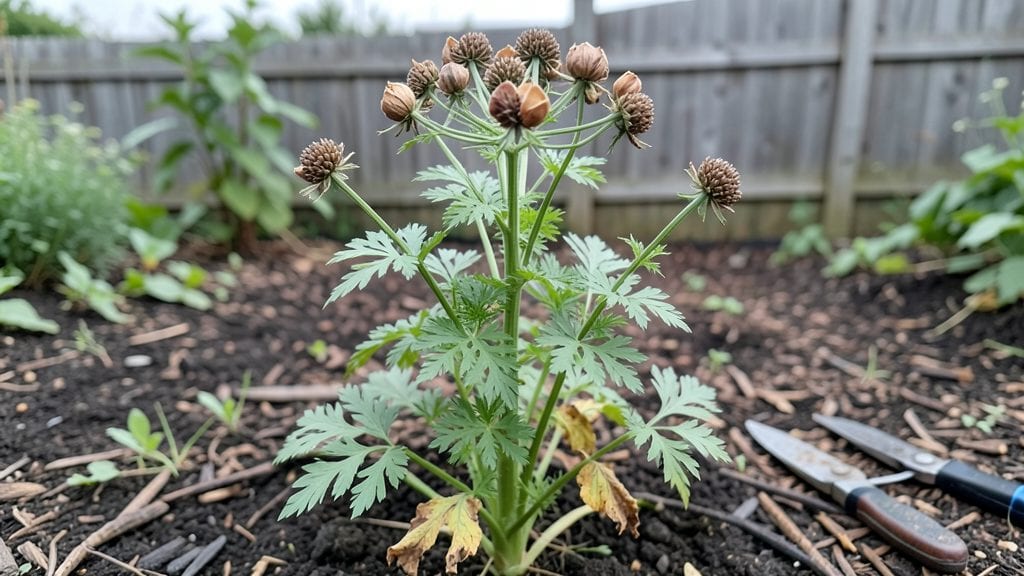
Harvesting coriander seeds from your garden means never buying them again—just wait for the plants to bolt, then dry the seed pods properly. 🌿 I learned the hard way that skipping this step means losing the chance to make my own spice blend, but once you master it, you’ll have bold, fragrant seeds ready for cooking or selling.
The process starts with letting the plants flower fully, then carefully harvesting and drying the pods before they shatter.
You’ll need mature coriander plants that have bolted (grown tall and flowered), a clean drying surface, and patience—about 2-3 weeks of drying time.
Store-bought cilantro won’t work for seeds, but if you grow your own, you can save seeds from hybrid varieties too, though they might not be true to type.
The key is timing: harvest pods when they turn brown but haven’t split open yet, then spread them in a dry, well-ventilated spot.
Once dried, the seeds will rattle inside the pods—just crack them open to release the tiny, aromatic seeds. Store them in an airtight container away from light, where they’ll keep their flavor for up to a year.
The first batch might be small, but each season you’ll have more seeds to share or use in your favorite dishes. This method turns a simple herb into a year-round spice source.
If your plants don’t bolt, try letting them go to seed naturally or give them a little stress (like reduced water) to encourage flowering. And if you’re growing in hot climates, provide afternoon shade to prevent bolting too early.
With a little practice, you’ll have more coriander seeds than you know what to do with!
📚 In This Guide
- What you need
- Instructions
- Tips and common mistakes
- Wrapping up and next steps
What you need
- ● Fresh cilantro (coriander) plants: At least 3–5 mature plants (or more if you want a larger yield). Look for plants with brown, papery seed pods—these are ready for harvest!
- ● Sharp scissors or pruning shears: For cleanly snipping stems without crushing the pods.
- ● Paper bags or brown paper towels: 2–3 medium-sized bags (or a large sheet to lay pods out flat). Avoid plastic—it traps moisture!
- ○ Drying rack or wire mesh screen: Optional but helpful for airflow. A clean, elevated surface (like a cooling rack) works too.
- ● Small bowls or jars: For sorting seeds once dried (2–3 small containers).
- ○ Fine-mesh strainer or sifter: To separate seeds from chaff (optional but highly recommended for purity).
- ● Air-tight containers: Glass jars with tight-sealing lids (4–8 oz size) for long-term storage.
- ● Food dehydrator: Speeds up drying if you’re short on time (set to 95°F/35°C).
- ● Desiccant packets: Tiny silica packets to keep moisture out of storage jars.
- ● Labeling supplies: Masking tape + marker to label jars with the harvest date.
- ● Mortar and pestle: If you plan to grind seeds into powder on the spot!
Step-by-Step instructions for harvesting and drying coriander seeds
Here’s how to transform your homegrown coriander into fragrant seeds for spice storage.
🌿 Step 1: Let the Plant Flower and Set Seed Pods
Allow your coriander plants to bolt and flower—this is the natural process that leads to seed production. Once the white flowers appear, resist the urge to harvest the leaves. Instead, let the flowers mature into oval seed pods, which will turn from green to brown over 2-3 weeks.
I know it feels counterintuitive if you’re used to harvesting leaves, but these pods are where the magic happens. The pods will start shriveled and green, then gradually harden and turn a deep brown. This color change signals they’re ready for harvest.
⏰ Step 2: Harvest the Seed Pods at Peak Ripeness
Pick the seed pods when they’re fully brown but before they split open and scatter seeds. Use clean, dry hands or small pruning shears to snip the entire seed stalk. I like to harvest on a dry morning when the pods are crisp—this makes them easier to handle and dry.
If you miss the window and pods split open, collect the seeds by gently shaking the dried stalks over a clean sheet of paper or a bowl. You’ll still get seeds, but they’ll be harder to store neatly. Aim for 4-6 weeks after flowering for the best yield.
💧 Step 3: Dry the Pods Thoroughly
Spread the harvested pods out on a clean, dry surface in a single layer. A wire rack or baking sheet works well. Place them in a warm, well-ventilated area with indirect light—direct sun can cause them to overheat and crack. I often use a sunny windowsill with a fan blowing gently to speed up drying.
Drying takes 1-2 weeks, depending on humidity. The pods are ready when they rattle when shaken and the seeds inside are loose. If you’re impatient, you can speed this up by placing them in a low-temperature oven (140°F) for 1-2 hours, but air-drying preserves more flavor.
✂️ Step 4: Extract and Store the Seeds
Once the pods are completely dry, rub them between your palms or use a clean cloth to gently crush them and release the seeds. I like to do this over a bowl to catch any stray seeds. Sift the mixture to remove debris, then store the seeds in an airtight container in a cool, dark place.
Seeds will stay fresh for up to a year if stored properly. Label your container with the harvest date—older seeds lose potency. You’ll know they’re still good when you crush a few between your fingers and smell that bright, citrusy coriander aroma.
Tips & tricks for perfect coriander seed harvesting
Transforming coriander into fragrant seeds takes patience, but these tips will help you avoid common mistakes and maximize your yield.
Patience Pays Off: In Step 1, don't rush the 2-3 week waiting period for pods to turn brown. I've seen impatient gardeners harvest too early, resulting in seeds that don't fully develop their rich flavor. The brown color is your best indicator—wait until at least 75% of the pods have turned completely brown before harvesting. Trust me, the extra week is worth it for that vibrant coriander aroma.
Harvesting Strategy: For Step 2, harvest on a dry morning when pods are crisp—this makes them easier to handle and dry faster. If you're dealing with multiple plants, work systematically by harvesting one plant at a time to avoid overcrowding your drying space. I like to use small pruning shears for clean cuts, but even clean hands work well if you're gentle. The goal is to preserve the entire seed stalk intact for easier drying later.
Drying Optimization: When using the oven at 140°F in Step 3, don't overcrowd the trays. Spread pods in a single layer with space between them to allow proper air circulation. I've learned this the hard way—overcrowding leads to uneven drying and potential mold. If you're air-drying, place a small fan nearby to gently circulate air without creating drafts that could scatter seeds prematurely. The 1-2 week range is flexible, but pods should rattle when shaken before you proceed to extraction.
Storage Wisdom: After extracting seeds in Step 4, remove any remaining pod fragments by sifting through a fine-mesh strainer. This extra step prevents debris from contaminating your seeds during storage. For long-term freshness, consider adding a small silica gel packet to your airtight container—it helps absorb any moisture that could degrade the seeds' quality over the year-long storage period.
Pro Tips for Get Coriander Seeds
- Transforming coriander into fragrant seeds takes patience, but these tips will help you avoid common mistakes and maximize your yield.
- Patience Pays Off: In Step 1, don't rush the 2-3 week waiting period for pods to turn brown.
- Harvesting Strategy: For Step 2, harvest on a dry morning when pods are crisp—this makes them easier to handle and dry faster.
Frequently asked questions
Can I use coriander seeds straight from the store?
Yes! Store-bought coriander seeds are already dried and ready to use. If you’re growing your own, drying them properly ensures maximum flavor and shelf life. Just remove the seeds from the pods and store them in an airtight container away from light and moisture.
How long does it take for coriander pods to dry?
Drying time varies based on conditions. In a warm, dry environment (like a sunny windowsill or dehydrator), pods typically dry in 3–7 days. If using an oven, set it to the lowest temperature (around 170°F/75°C) and check every 30 minutes—overheating can ruin the seeds.
What if my coriander pods won’t dry?
If pods stay damp, they may mold or attract pests. Try these fixes:
- Increase airflow with a fan.
- Move to a warmer, drier spot.
- Use silica gel packets in the drying container.
Can I substitute coriander seeds for ground coriander?
For every 1 teaspoon of ground coriander, use 1 teaspoon of whole seeds (lightly crushed if needed). Whole seeds release flavor gradually, while ground coriander works best for quick cooking. Toasting seeds before grinding enhances their aroma—just heat them in a dry pan for 1–2 minutes.
How long do dried coriander seeds last?
Properly stored seeds (in an airtight container, cool/dark place) last 6–12 months. For longer shelf life, freeze them in small batches. Check for rancidity—if seeds smell bitter or stale, replace them. Freshness = boldest flavor!
Wrapping up and next steps
You’ve now mastered the art of harvesting and storing coriander seeds—a game-changer for your spice collection! 🌟 Whether you’re drying pods from your garden, buying from farmers’ markets, or sourcing online, these seeds will add a bold, citrusy kick to your dishes.
Don’t let them go to waste—experiment with them in curries, marinades, or even homemade spice blends!
Ready to level up? Try making coriander seed chutney or infusing oil—your taste buds (and dinner guests) will thank you! 😊