
Propagation
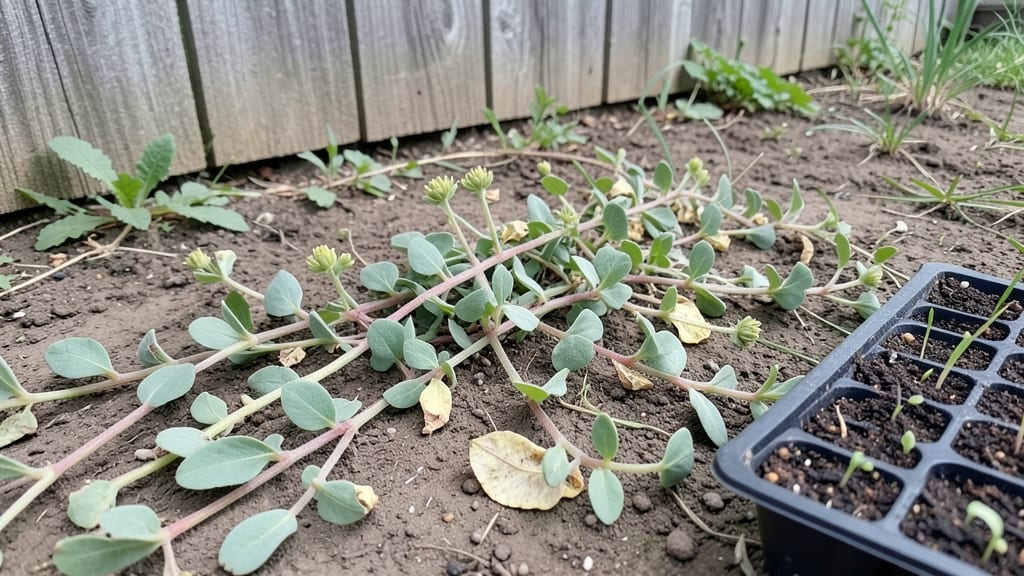
Handling Euphorbia peplus seeds requires extreme caution, as their toxic sap can trigger severe skin irritation, digestive upset, or even breathing difficulties if ingested or improperly managed. Always use protective gear and avoid direct contact.
These seeds contain dangerous diterpenes and latex compounds that attack sensitive tissues, making even brief exposure risky. 💫 I’ve seen cases where gardeners developed blistering rashes from accidental brushes, while pets that chewed the pods suffered vomiting and lethargy within hours.
The sap’s corrosive nature means it shouldn’t be near children, pets, or open wounds—ever.
For safe handling, I recommend nitrile gloves (thicker than latex) and storing seeds in airtight, labeled containers away from food or animal areas. If skin contact occurs, wash immediately with soapy water and apply baking soda paste to neutralize the irritation.
Never attempt to neutralize ingested sap at home—seek emergency care immediately.
💡 In This Article
- Chemical Toxins in Euphorbia Peplus Seeds
- Safe Handling and Storage Practices for Euphorbia Seeds
Chemical toxins in Euphorbia peplus seeds
The primary toxins in Euphorbia peplus seeds are diterpene esters (like ingenol mebutate) and a milky latex sap containing phorbol esters. These compounds trigger inflammation by activating protein kinase C (PKC) pathways in cells, which disrupts normal signaling and causes tissue damage.
The sap's irritant properties come from its ability to bind to keratin proteins in skin, similar to how poison ivy's urushiol works but with greater severity.
When the sap contacts skin, it creates chemical burns within minutes—visible as red, blistering welts that can last weeks. Ingesting even small amounts (0.5 grams) can cause severe gastrointestinal distress, including vomiting, diarrhea, and abdominal cramping, due to the diterpenes' ability to irritate mucosal linings.
The respiratory system isn't spared either: inhaling crushed seeds releases volatile compounds that irritate lung tissues, potentially causing coughing, wheezing, or even bronchospasms in sensitive individuals.
Here's what's actually happening at a cellular level: The diterpenes bind to protein kinase C receptors on cell membranes, triggering an inflammatory cascade. This disrupts cell membranes, leading to lysosomal leakage and the release of pro-inflammatory cytokines like TNF-alpha and IL-1beta.
The result? Painful blisters on contact and systemic inflammation if ingested. 🔥 Unlike many plant toxins that require metabolic activation, these compounds work immediately upon contact.
Animals experience similar effects—dogs and cats that chew the pods often show drooling, pawing at the mouth, and lethargy within 30-60 minutes due to oral irritation. Livestock grazing on contaminated pastures can develop chemical dermatitis along their muzzles and legs.
The toxicity persists even after drying, meaning powdered seeds remain hazardous for months. This longevity makes proper disposal critical.
What most people don't realize is how the plant's latex delivery system amplifies danger. The milky sap contains microscopic calcium oxalate crystals that physically damage tissues upon contact, while the diterpenes provide the chemical irritation.
Together, they create a two-pronged attack that explains why even brief exposures can cause lasting damage. The sap's pH of ~6.5 (mildly acidic) also helps it penetrate skin more effectively than neutral substances.
For comparison, the sap's irritant potency rivals poison ivy but with faster onset—some gardeners report reactions within 5-10 minutes of contact, compared to poison ivy's 12-48 hour delay. The key difference? Euphorbia's toxins don't require metabolic processing to become active, making them immediately dangerous.
This immediate action is why nitrile gloves (not latex) are essential—they prevent even microscopic sap particles from reaching your skin.
The good news? These toxins are not cumulative—meaning repeated small exposures won't build up in your system. However, each contact risks triggering a new inflammatory response. The bad news? There's no known antidote—treatment focuses on symptom management and preventing further exposure.
Always treat these seeds with the same caution as foxglove or oleander, both of which contain cardiac glycosides that can be fatal in larger doses. 💫