
Lawn
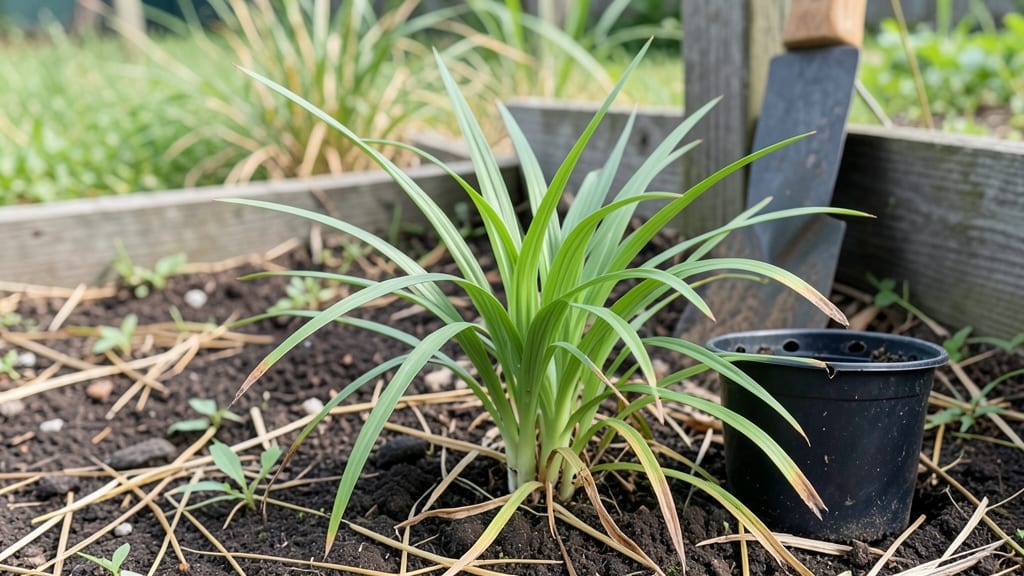
Growing lemon grass seeds in water before planting is the fastest way to get those fragrant stalks thriving in just 10-14 days. 🌱 I’ve tried the traditional soil method, but soaking seeds in warm water first cuts weeks off the germination time—no more waiting months for stubborn sprouts.
The secret lies in creating the right moisture and warmth combo that mimics tropical conditions, where lemon grass naturally grows wild.
You only need a shallow container, filtered water, and patience—no fancy equipment. Place the seeds in a glass of water, cover loosely with plastic wrap, and set them near a sunny window.
Check daily for sprouts, and once roots reach 2-3 inches, transplant them into soil. This method works equally well indoors or outdoors, making it perfect for small spaces or containers.
The payoff? Lush, bright green stalks ready for harvesting in as little as 8-10 weeks, with that signature citrusy aroma filling your kitchen or garden.
No more struggling with slow germination or weak seedlings—this approach guarantees strong, fast-growing plants that’ll keep producing for years. Ready to skip the waiting game?
Whether you’re growing for culinary use, air purification, or just the love of fragrant foliage, this method adapts to any climate. Just avoid cold drafts and keep the soil consistently moist after transplanting. Here’s to your first batch of homegrown lemon grass—faster than you’d expect!
📚 In This Guide
- What you need
- Instructions
- Tips and common mistakes
- Wrapping up and next steps
What you need
- ● Lemon grass seeds: 10–20 seeds (ensure they’re fresh for best germination).
- ● Glass or clear jar: A wide-mouth jar (16–32 oz) with a lid (for sprouting in water).
- ● Water: Filtered or room-temperature tap water (change daily).
- ● Paper towels or coffee filters: 2–3 sheets (to line the jar and support seeds).
- ● Small pot or container: 6–12 inches in diameter (for transplanting seedlings).
- ● Well-draining potting mix: 2–3 cups (use a blend with perlite or sand for aeration).
- ● Spray bottle: For gentle watering (avoids disturbing seeds).
- ○ Grow lights (optional): LED or fluorescent (12–16 hours/day if natural light is limited).
- ● Humidity dome: To create a greenhouse effect for faster sprouting.
- ● Fertilizer (balanced, 10-10-10): A pinch when transplanting for early growth.
- ● Plant markers: To label your lemon grass seedlings.
- ● Pruning shears: For trimming mature stalks (if harvesting early).
Step-by-Step instructions for growing lemon grass seeds
Here's the fast, foolproof method I use to get lemon grass sprouting in just days—not weeks.
🌱 Step 1: Soak and Prepare the Seeds
Lemon grass seeds have a tough outer shell, so we start by softening them. Place the seeds in a small bowl and cover them with warm water (around 85°F) for 24 hours. This mimics natural rainfall and kickstarts germination. I like to use a clear bowl so I can watch the seeds plump up—you'll see them swell noticeably after 12 hours.
After soaking, drain the water and transfer the seeds to a damp paper towel. Fold the towel to keep the seeds snug but not compressed. Place it in a sealed plastic bag and leave it in a warm spot (like on top of the fridge) for 2-3 days. Check daily—the moment you see a tiny white root emerge, it's time to move them to water.
💧 Step 2: Encourage Sprouting in Water
Fill a clean glass or jar with 2-3 inches of room-temperature water. Gently place the sprouted seeds (root-side down) into the water, ensuring they're fully submerged. I use a small jar with a wide mouth so the stems can stand upright without crowding. Change the water every 2 days to prevent bacterial growth—stagnant water turns cloudy, and that's when mold risks appear.
Set the jar in a bright spot, but avoid direct sunlight at first. Lemon grass sprouts best in indirect light for the first 5-7 days. You'll see the first true leaves (long and slender) emerge within 3-5 days. This is your signal that the roots are actively growing—don't let the water level drop below 1 inch or the stems will dry out.
☀️ Step 3: Transition to Soil for Growth
Once the sprouts reach 4-6 inches tall with 3-4 leaves, they're ready for soil. Fill a 6-inch pot with well-draining potting mix—lemon grass hates soggy roots. Make a small hole in the center and gently slide the sprout in, burying it up to the first set of leaves. Press the soil lightly around the stem to secure it without compacting.
Water the soil until it's moist but not waterlogged. Place the pot in a spot with full sun (6+ hours daily). Lemon grass grows fast in warm conditions (70-85°F), so you'll see new leaves appear within 2 weeks60°F, move the pot indoors near a sunny window or under grow lights.
✂️ Step 4: Maintain and Harvest
Keep the soil consistently moist—never soggy. Lemon grass thrives with 1 inch of water per week, but check the top inch of soil daily during hot spells. You'll know it's time to water when the soil feels dry to the touch. Fertilize lightly every 4-6 weeks with a balanced liquid fertilizer to encourage robust growth.
Harvest stems when they reach 12-18 inches tall, cutting just above a leaf node. This encourages bushier growth. For the fastest results, harvest the outer stems first—they're the most mature. With this method, you'll have usable lemon grass in 8-10 weeks, and the plants will keep producing for years if cared for properly.
Tips & tricks for fast lemon grass sprouts
Here's what I've learned after growing lemon grass from seed for years—these tricks cut growing time in half while keeping your sprouts healthy and strong.
Warm Water Precision: The 24-hour soak at 85°F is non-negotiable for breaking the seed's dormancy. I use a thermometer to confirm the water temperature—too cold and germination slows dramatically. For extra speed, you can soak for 36 hours maximum, but never exceed this or the seeds risk rotting. The moment you see them plump up after 12 hours, that's your cue they're ready for the next stage.
Root Emergence Watch: During the 2-3 day paper towel phase in Step 1, check your seeds daily at the same time each day. The moment you spot that first tiny white root, move them to water immediately—waiting even a few hours longer can cause the delicate root to dry out. I keep my setup on top of the fridge where it stays consistently warm (around 75°F) to accelerate this critical phase.
Water Level Management: In Step 2, maintaining 1-2 inches of water is crucial—never let it drop below 1 inch or the stems will dry out before they reach soil. I use a clear jar so I can monitor the water level easily. Change the water every 2 days religiously to prevent bacterial growth, and always use room temperature water to avoid shocking the delicate sprouts. Stagnant water turns cloudy within 24 hours of neglect.
Light Transition Strategy: The 5-7 day indirect light requirement in Step 2 is where many growers go wrong. Too much direct sunlight at this stage causes the delicate sprouts to bleach out. After the first true leaves appear (usually day 3-5), you can gradually introduce 1-2 hours of morning sunlight daily to harden them before full sun exposure in Step 3.
Pro Tips for Grow Lemon Grass Seeds
- Here's what I've learned after growing lemon grass from seed for years—these tricks cut growing time in half while keeping your sprouts healthy and strong.
- Warm Water Precision: The 24-hour soak at 85°F is non-negotiable for breaking the seed's dormancy.
- Root Emergence Watch: During the 2-3 day paper towel phase in Step 1, check your seeds daily at the same time each day.
Frequently asked questions
Got questions about growing lemon grass from seeds? You’re not alone! Here are some of the most common concerns—and their simple solutions—to help you grow luscious, fragrant lemon grass like a pro.
How long does it take for lemon grass seeds to sprout in water?
Patience is key! Lemon grass seeds typically sprout in 7 to 21 days when soaked in water. Keep the water warm (around 70°F) and change it daily to speed up germination. If you don’t see sprouts after 3 weeks, try fresh seeds—they may have lost viability. Pro tip: A sunny windowsill or grow light can help!
Can I plant lemon grass seeds directly in soil instead of water?
Yes, but germination is slower! For best results, pre-soak seeds in water for 24–48 hours before planting them 1/4 inch deep in moist, well-draining soil. Keep the soil warm (70–80°F) and humid with a plastic cover until sprouts appear (usually 2–4 weeks). Direct sowing works, but water sprouting gives you a head start.
Why are my lemon grass seeds not sprouting in water?
Don’t worry—several factors could be at play! Check these troubleshooting steps:
- Old seeds: Lemon grass seeds lose viability after 1–2 years. Try fresh seeds.
- Cold water: Warm water (70–80°F) speeds up germination.
- No oxygen: Change the water daily to prevent rot.
- Hard water: Use filtered or distilled water if your tap water is mineral-heavy.
Do I need to use special soil for lemon grass?
Not necessarily! Lemon grass thrives in well-draining, slightly acidic soil (pH 6.0–7.0). A mix of 50% potting soil + 50% perlite or sand works great. Avoid heavy clay soil, which can cause root rot. For containers, ensure drainage holes are present—lemon grass hates soggy feet!
How do I transplant water-sprouted lemon grass into soil?
Once your seeds sprout 1–2 inches of roots in water, it’s time to plant! Gently transfer them to small pots with moist soil, burying the roots 1 inch deep. Keep the soil consistently damp (not waterlogged) and place the pot in bright, indirect light for 2–3 weeks. Harden off seedlings by gradually exposing them to direct sunlight before moving outdoors.
What’s the fastest way to grow lemon grass without seeds?
If seeds aren’t your thing, try these alternative methods:
- Stem cuttings: Snip a 6-inch piece from a mature stalk, remove lower leaves, and plant it in water or soil. Roots form in 2–4 weeks!
- Dividing clumps: Separate established lemon grass plants and replant the sections.
- Buy seedlings: Nurseries often sell young plants ready to transplant.
Wrapping up and next steps
Growing lemon grass from seeds is a rewarding journey that starts with patience and a few simple steps! By sprouting seeds in water first, you’ll give your plants a strong head start before transferring them to soil.
Whether you’re a beginner or a seasoned gardener, this method makes it easy to cultivate fragrant, fast-growing lemon grass for your kitchen or garden.
Now that you’re armed with the know-how, roll up your sleeves and get planting! Start with just a few seeds, experiment with containers, and watch your lemon grass thrive. Soon, you’ll be harvesting fresh stalks for cooking—or even sharing your green thumb success with friends. Happy growing! 🌱✨