Vegetables
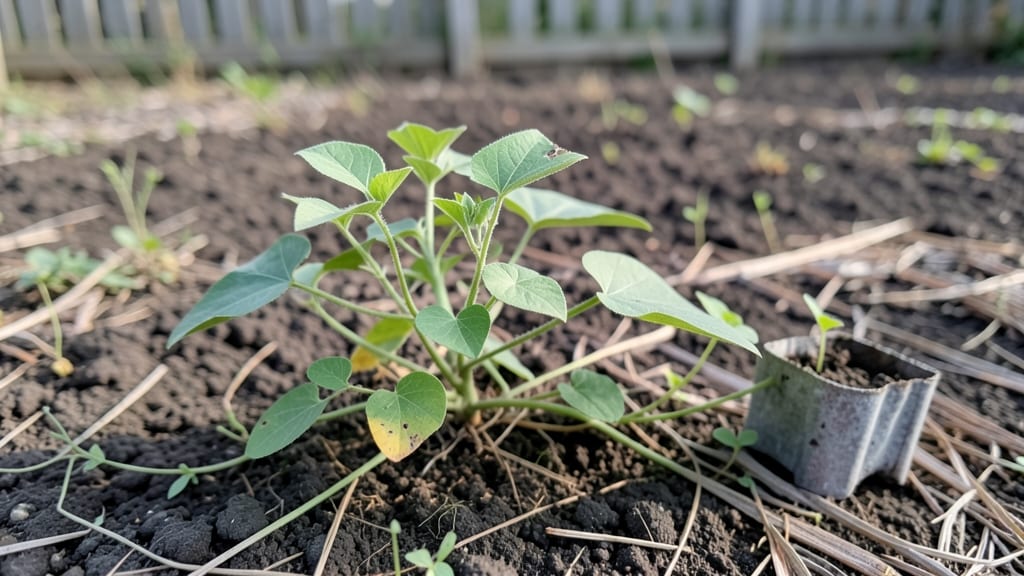
Fast-growing ivy gourd seedlings pop up in days, not weeks—my first batch sprouted within five days of planting, and I've never looked back. 🌱 The trick is keeping the soil warm and moist, which mimics their tropical roots' natural environment.
Most gardeners overlook how quickly these vines establish, assuming they need weeks like other seeds.
You'll need just three simple supplies: a shallow tray, a mix of potting soil and compost, and a spray bottle for gentle watering. Plant seeds ¼-inch deep and keep them in a warm spot (70-80°F) until sprouts appear.
The key is patience during the first week—consistent moisture prevents the dreaded damping-off that stalls so many seed starts.
Once those first leaves unfurl, you'll watch them climb like tiny jungle gyms, ready for transplanting in 3-4 weeks. The vines produce edible fruits that taste like cucumbers but with a hint of sweetness—perfect for stir-fries or pickling.
Even if you miss the harvest window, the foliage adds lush, tropical texture to trellises or fences.
This vine thrives in zones 9-11 but can be grown as an annual elsewhere. For cooler climates, start seeds indoors 8-10 weeks before your last frost.
The real magic happens when you let them sprawl—just be prepared for the rapid growth that turns a small patch into a verdant jungle in no time.
📚 In This Guide
- What you need
- Instructions
- Tips and common mistakes
- Wrapping up and next steps
What you need
- ● Ivy gourd seeds – 5–10 seeds (choose organic or heirloom varieties for best results).
- ● Seed-starting mix – 1–2 cups of lightweight, well-draining potting soil (avoid garden soil—it’s too dense!).
- ● Seed trays or small pots – 3–4 small containers (2–3 inches deep) with drainage holes.
- ● Plastic wrap or humidity dome – To retain moisture while seeds germinate.
- ● Spray bottle – For gentle watering (avoid over-saturating seeds!).
- ● Grow lights or sunny windowsill – Ivy gourds thrive in warmth (70–85°F) and need 6–8 hours of light daily.
- ○ Fertilizer (optional but helpful) – A balanced, water-soluble fertilizer (5-5-5 or 10-10-10) for young seedlings.
- ● Heating mat – Speeds up germination (ivy gourds love warmth!).
- ● Twine or stakes – For supporting vines as they grow (ivy gourds climb!).
- ● pH test kit – Ensures soil pH is 6.0–6.8 (slightly acidic).
- ● Organic mulch – Like straw or shredded leaves to retain moisture in outdoor beds.
Step-by-Step instructions for growing ivy gourd seedlings
Here’s how to get your ivy gourd seedlings off to a sprint—these vines germinate in days and thrive with minimal fuss.
🌱 Step 1: Soak Seeds Overnight for Faster Germination
Ivy gourd seeds have a tough outer shell that slows sprouting, so I always soak them first. Place the 10 ivy gourd seeds in a small bowl, cover them with lukewarm water, and let them sit for 12 hours. This softens the seed coat and jumpstarts germination—you’ll see tiny cracks in the shells by morning.
After soaking, drain the water and pat the seeds dry with a paper towel. This prevents mold while keeping them hydrated. I like to wrap them in a damp paper towel overnight in a sealed container if I’m not planting them immediately. The warmth of your kitchen counter speeds things up even more.
💧 Step 2: Plant in Light, Well-Draining Soil
Fill your 4-inch pots with 2 gallons of seed-starting mix, pressing it down lightly to remove air pockets. Ivy gourds hate soggy roots, so I add ½ cup perlite to each pot to improve drainage. Moisten the soil until it’s damp but not dripping—think of a wrung-out sponge.
Plant the soaked seeds ½ inch deep, spacing them 1 inch apart in each pot. You’ll end up with 4 seedlings per pot, which you can thin later. Mist the surface with water to settle the soil around the seeds, but avoid soaking it. A light spray bottle works best—you’re aiming for even moisture without disturbing the seeds.
☀️ Step 3: Provide Warmth and Bright, Indirect Light
Ivy gourds germinate fastest in warmth (75-85°F). Place the pots in a seedling heat mat or on top of your fridge to maintain that temperature. You’ll see sprouts in 3-5 days—sometimes even faster if conditions are perfect. Once they emerge, move the pots to a south-facing window or under a grow light for 12-14 hours of light daily.
Watch for leggy growth (thin, stretched stems) if the light isn’t strong enough. If that happens, lower the grow light to 2-3 inches above the seedlings or rotate the pots daily. Strong seedlings will have bold green leaves and sturdy stems within a week. Avoid direct midday sun at this stage—it can scorch tender new leaves.
✂️ Step 4: Thin and Transplant When Ready
Once seedlings reach 2 inches tall (about 2-3 weeks after planting), thin them to 1-2 per pot by snipping the weakest stems at the base with clean scissors. This prevents overcrowding and gives the remaining plants room to grow. Water the pots gently after thinning to help the soil settle around the roots.
When seedlings have 4-5 true leaves (not just the initial cotyledons), they’re ready for transplanting. Harden them off by placing them outside in partial shade for 1 hour daily, gradually increasing exposure over 5-7 days. Ivy gourds love warmth and grow aggressively, so transplant them into larger containers or garden beds once they’re 6 inches tall. Choose a spot with full sun (6+ hours daily) and well-draining soil.
🌿 Step 5: Encourage Fast, Bushy Growth
Ivy gourds are vigorous climbers, so I train them to grow upward using trellises or stakes as soon as they’re transplanted. Prune any side shoots that form at the base to direct energy into the main vine. Pinch back the tips of new growth when vines reach 12 inches to encourage bushier, more productive plants.
Water deeply 2-3 times per week, letting the soil dry slightly between waterings. Overwatering leads to root rot, while underwatering slows growth. Fertilize with a balanced liquid fertilizer (10-10-10) every 2 weeks once the vines start climbing. You’ll know they’re happy when they produce glossy, heart-shaped leaves and begin flowering within 8-10 weeks of planting.
Tips & tricks for fast-germinating ivy gourd seedlings
These pro tips will help you skip the common pitfalls and get your ivy gourd seedlings thriving in record time.
Soaking Strategy: The 12-hour soak is non-negotiable for ivy gourd seeds—these tough little guys need that full time to soften their outer shells. I've tried cutting it short, and while you might see some germination, you'll end up with uneven sprouting and weaker seedlings. For even faster results, place your bowl of seeds in a warm spot (like on top of your fridge) during the soaking process. The extra warmth can cut that 12 hours down to just 8-10 hours in some cases. Just don't exceed 12 hours or you risk mold growth.
Lighting Secret: That 12-14 hours of daily light in Step 3 is crucial, but here's what nobody tells you: ivy gourd seedlings actually prefer bright, indirect light over direct sun at this stage. If you're using a grow light, position it 2-3 inches above the seedlings and keep it running on a timer. For window placement, east-facing windows work better than south-facing ones initially—the gentler morning light prevents scorching while still providing plenty of energy for growth. You'll notice the difference in just a few days with sturdier stems and deeper green leaves.
Transplant Timing: The 2-3 week window for thinning in Step 4 is perfect, but here's my pro move: I always check for true leaves first before worrying about height. Those first two leaves are cotyledons—they don't count toward the 4-5 true leaves you need before transplanting. True leaves are smaller, more heart-shaped, and have distinct veins. Don't rush this step—waiting for true leaves gives you stronger seedlings that handle transplant shock better. I've seen ivy gourds that were transplanted too early (with only cotyledons) struggle to recover for weeks.
Fertilizer Hack: Once your vines start climbing and you begin that 2-week fertilization schedule, here's my secret: I always dilute my 10-10-10 fertilizer to half-strength for the first application. Ivy gourds are fast growers, and full-strength fertilizer can burn their tender roots. After that first gentle feeding, you can go to full strength. Also, I've found that adding a handful of compost to the soil at transplanting gives them a nutrient boost without the risk of over-fertilizing. The key is to feed lightly but consistently—these vines will reward you with rapid growth when they're happy.
Pro Tips for Ivy Gourd Seedling
- These pro tips will help you skip the common pitfalls and get your ivy gourd seedlings thriving in record time.
- Soaking Strategy: The 12-hour soak is non-negotiable for ivy gourd seeds—these tough little guys need that full time to soften their outer shells.
- Lighting Secret: That 12-14 hours of daily light in Step 3 is crucial, but here's what nobody tells you: ivy gourd seedlings actually prefer bright, indirect light over direct sun at this stage.
Frequently asked questions
Got questions about growing ivy gourd seedlings? You’re not alone—this fast-growing vine has a few quirks! Here are answers to the most common queries to help you succeed.
How long does it take for ivy gourd seeds to germinate?
Ivy gourd seeds are fast germinators—expect sprouts in 5–10 days if kept warm (70–85°F) and moist. Use a heat mat if your climate is cool. Pro tip: Soak seeds overnight to speed things up!
Can ivy gourd seedlings handle cold weather?
Nope! Ivy gourds are tropical vines and hate frost. Start seedlings indoors 4–6 weeks before your last frost date, then transplant only after soil temps hit 60°F+. Use row covers if nighttime temps dip below 55°F.
What can I do if my ivy gourd seedlings look leggy or weak?
Leggy seedlings mean they’re stretching for light. Move them to a sunny window or under grow lights (12–14 hours/day). If roots are crowded, transplant into larger pots with well-draining soil. Pro tip: Use a reflective surface (like aluminum foil) to bounce light upward!
Are there any alternatives to ivy gourd for fast-growing vines?
Yes! Try these quick-harvesting vines if ivy gourd isn’t your style:
- Cucumbers (50–70 days)
- Malabar spinach (45–60 days)
- Yard-long beans (60–90 days)
- Peashoots (30–45 days)
Why are my ivy gourd seedlings wilting or turning yellow?
Yellowing leaves or wilting often signal overwatering or root rot. Let soil dry slightly between waterings and ensure pots have drainage holes. If pests (like aphids) are the culprit, spray with neem oil or insecticidal soap. Pro tip: Check the undersides of leaves first!
Wrapping up and next steps
Growing ivy gourd seedlings is a rewarding way to enjoy a fast-growing, nutrient-packed vine with minimal effort. Whether you’re a beginner or seasoned gardener, these hardy plants thrive in warm climates and deliver a bountiful harvest year-round—just remember to provide consistent moisture and sunlight. 🌱
Now that you’re equipped with the how-to and answers to common questions, it’s time to roll up your sleeves and start planting! Share your progress with fellow gardeners or experiment with creative recipes using your homegrown ivy gourd. Happy growing! 🌿