
Lawn
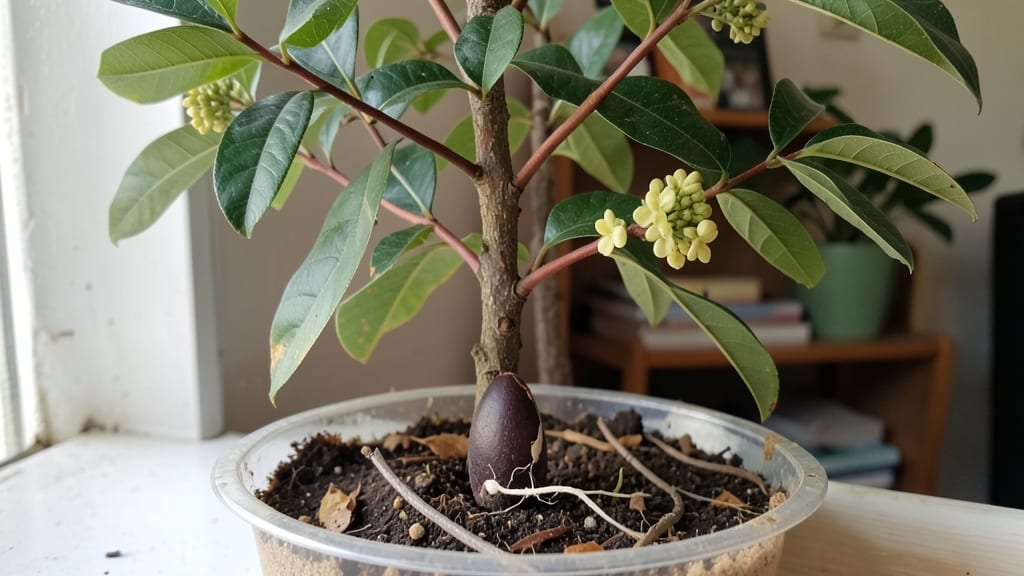
Growing a mango tree from seed starts with that tiny pit you save from your favorite fruit—because fast germination turns it into a bushy seedling in just a few weeks. 🌱 I’ve watched those first roots emerge like magic, and with the right soil and warmth, you’ll see them too.
The key isn’t forcing speed but creating the perfect cozy conditions for nature to do its work.
You’ll need a small pot, well-draining soil mix, and patience—no fancy equipment, just a sunny spot and a spray bottle. Most people rush the watering, but keeping the soil damp (not soggy) is what prevents rot while encouraging strong roots.
Within 2-4 weeks, you’ll spot those first white roots breaking through the soil, and that’s when the real fun begins.
By month three, your seedling will have a sturdy root system and lush leaves, ready for transplanting. The growth might be slow at first, but with consistent care—bright indirect light, gentle watering, and occasional fertilizer—you’ll end up with a thriving little tree that’s already dreaming of tropical fruit.
The best part? You’re growing it yourself.
This method works for any mango seed, though some varieties take longer to bear fruit. If you’re in a cooler climate, start indoors and wait until spring to move it outside. The secret to bushy growth is regular pruning and patience—just like nurturing any young plant.
📚 In This Guide
- What you need
- Instructions
- Tips and common mistakes
- Wrapping up and next steps
What you need
- ● Mango seeds: 3–5 fresh, plump seeds (harvested from ripe, organic mangoes for best results).
- ● Small pots or seed trays: 3–4 inches deep (biodegradable pots work great!).
- ● Well-draining potting mix: 1 part peat moss, 1 part perlite, and 1 part coconut coir (or a pre-mixed cactus/succulent blend).
- ● Spray bottle: For gentle watering (avoid soaking!).
- ● Clear plastic wrap or humidity dome: To create a mini greenhouse effect.
- ● Grow lights or sunny windowsill: 6–8 hours of indirect light daily (south-facing is ideal!).
- ○ Small fan (optional but helpful): For air circulation to prevent mold.
- ● Scissors or knife: For carefully slicing seeds (if needed).
- ○ Thermometer (optional): To monitor soil warmth (ideal range: 75–85°F).
- ● Fertilizer (balanced, 10-10-10 or organic): Diluted to half-strength for seedlings.
- ● Larger container (6+ inches): For transplanting once roots establish (after 4–6 weeks).
- ● Patience & consistency: Mango seeds love routine—keep conditions stable!
- ● 🌡️ Warmth is key! Place pots near a heat source (like a fridge or heater) to speed up germination.
- ● ✨ Avoid overwatering: Let the top inch of soil dry between waterings to prevent rot.
- ● 🔄 Rotate pots: Every few days to ensure even light exposure for bushy growth.
Step-by-step instructions for growing mango seedlings quickly
Here’s how to turn a mango pit into a thriving seedling in just a few weeks.
🌱 Step 1: Prepare the Mango Pit for Planting
Start by washing the mango pit thoroughly to remove any remaining fruit residue. This prevents mold or rot from developing later. Place the pit on a paper towel and let it air dry completely—this takes about 24 hours. Once dry, gently tap the pit on a hard surface to crack it open without damaging the seed inside.
Remove the large, flat seed from the pit. The seed has a hard outer shell, so soak it in warm water for 24 hours to soften it. This step is crucial—it speeds up germination by breaking down the seed’s protective coating. After soaking, place the seed between two damp paper towels and roll them up loosely. Store the wrapped seed in a sealed plastic bag to maintain moisture.
💧 Step 2: Germinate the Seed in Warmth
Place the bagged seed in a warm spot, ideally near a heat source like the top of your refrigerator or a sunny windowsill. Mango seeds germinate best at 75-85°F, so if your home runs cooler, consider using a seedling heat mat. Check the seed daily—keep the paper towels damp but not soggy. You’ll see the first signs of germination in 7-14 days as a small sprout emerges from one end.
Once the sprout reaches about 1 inch tall, it’s ready to plant. This is the moment that matters: if you wait too long, the seedling may become too delicate to handle. Gently unwrap the seed from the paper towels and prepare a small pot filled with well-draining potting mix. Plant the seed ½ inch deep, ensuring the sprout faces upward.
☀️ Step 3: Plant and Provide Bright, Indirect Light
Use a 4-inch pot for your mango seedling, as it needs room to grow without becoming root-bound too quickly. Fill the pot with the potting mix, leaving ½ inch of space at the top. Water the soil lightly until it’s evenly moist but not waterlogged. Place the pot in a location with bright, indirect light—direct sunlight can scorch the young leaves. A south-facing window with sheer curtains works well.
Mango seedlings grow best in warm, humid conditions, so if your home is dry, mist the leaves lightly with water daily. You’ll notice new leaves emerging within 2-3 weeks—this is your signal that the seedling is thriving. Avoid overwatering; let the top ½ inch of soil dry out between waterings to prevent root rot.
🌿 Step 4: Encourage Bushy Growth with Pruning
Once your mango seedling reaches 6-8 inches tall, it’s time to prune to encourage bushier growth. Use clean scissors to trim the top set of leaves, cutting just above a leaf node. This prompts the plant to branch out instead of growing tall and leggy. Repeat this process every 4-6 weeks to maintain a compact, sturdy shape.
By the time your seedling is 3-4 months old, it should have 3-4 sturdy branches. This is when you can transplant it into a larger 6-inch pot if needed. Keep the soil consistently moist but well-drained, and continue providing bright, indirect light. With patience, your mango seedling will grow into a small tree ready for outdoor planting in warmer climates.
Tips & tricks for fast mango seedling growth
These simple tricks will help you grow a healthy mango seedling in record time—without the common pitfalls that slow down germination.
Speed Up Germination: The 24-hour soaking in warm water is non-negotiable—it breaks down the seed's tough outer shell and kickstarts the germination process. For even faster results, try soaking the seed in a mix of warm water and a few drops of hydrogen peroxide (1 teaspoon per cup of water). This helps prevent mold while speeding up the softening process. Just be sure to rinse the seed thoroughly before planting to remove any residue.
Heat Hack for Faster Sprouting: Mango seeds thrive at 75-85°F, but most homes don't maintain that warmth naturally. If your home runs cooler, place the bagged seed on top of your refrigerator (not inside!) or near a sunny windowsill. For extra warmth, use a seedling heat mat set to low—this can cut your germination time from 14 days to as little as 7 days. Just monitor the temperature with a small thermometer to avoid overheating.
Planting Depth Matters: When you're ready to plant that 1-inch sprout, don't bury it too deep! The seed should be planted just ½ inch below the soil surface with the sprout facing upward. Any deeper, and you risk suffocating the delicate roots before they even have a chance to establish. Use your finger to make a small hole, place the seed gently, then cover it lightly with soil. A light patting with your hand will ensure good soil contact without compacting it too much.
Lighting Strategy: Bright, indirect light is key during the first 2-3 weeks, but don't be fooled by "sunny windowsill" advice. Direct sunlight can scorch young leaves, so position your seedling about 2 feet away from the window. If you notice leaves turning yellow or crispy, it's a sign of too much direct light. For even lighting, consider using a grow light on a timer for 12-14 hours a day—this mimics natural sunlight without the risk of burning.
Pro Tips for Mango Seed Root
- These simple tricks will help you grow a healthy mango seedling in record time—without the common pitfalls that slow down germination.
- Speed Up Germination: The 24-hour soaking in warm water is non-negotiable—it breaks down the seed's tough outer shell and kickstarts the germination process.
- Heat Hack for Faster Sprouting: Mango seeds thrive at 75-85°F, but most homes don't maintain that warmth naturally.
Frequently asked questions
Got questions about growing mango seed roots? You’re not alone—this tropical plant can be tricky, but we’ve got answers! Here are the most common queries to help you grow a bushy, thriving mango seedling in no time.
How long does it take for a mango seed to sprout?
A mango seed typically sprouts within 2–6 weeks if kept in warm, moist conditions. Place it in a sunny spot (or under grow lights) and maintain consistent humidity. Patience is key—some seeds take longer, especially if stored improperly. Pro tip: Soak the seed overnight before planting to speed up germination!
Can I grow a mango tree from store-bought mango seeds?
Yes! Store-bought mango seeds will sprout, but the resulting tree may not produce fruit identical to the parent mango due to genetic variation. For fruit-bearing potential, opt for seeds from heirloom or grafted mango varieties. If you’re just experimenting, store-bought seeds work great for a decorative indoor plant!
Why isn’t my mango seed sprouting? Troubleshooting tips
If your seed isn’t sprouting, check these common issues:
- Too cold: Mango seeds need warmth (70–90°F). Use a heat mat or place near a sunny window.
- Not enough moisture: Keep the soil damp but not soggy. A plastic bag over the pot helps retain humidity.
- Old or damaged seed: Fresh seeds germinate faster. Test viability by floating it in water—sinkers are good, floaters may be dead.
- Poor drainage: Overwatering causes rot. Use a well-draining mix like perlite and peat.
How fast does a mango seedling grow, and when can I transplant it outdoors?
Seedlings grow 1–3 inches per month under ideal conditions (warmth, sunlight, and nutrients). Once your seedling reaches 6–12 inches tall and has a few leaves, it’s ready for outdoor transplanting—after the last frost in your climate. Harden it off gradually by exposing it to outdoor conditions for a few hours daily before the full move.
What’s the best way to keep my mango seed root bushy and healthy?
To encourage a bushy, strong growth:
- Prune regularly to remove leggy stems and encourage branching.
- Fertilize lightly with a balanced 10-10-10 or citrus fertilizer every 4–6 weeks during growing season.
- Rotate the pot weekly to ensure even sunlight exposure.
- Watch for pests like aphids or mealybugs—spray with neem oil if needed.
Wrapping up and next steps
Growing mango seed root is a rewarding journey that transforms a simple seed into a thriving bush—often in just a few weeks! With the right conditions, patience, and care, you’ll soon enjoy lush foliage and even the promise of future fruit.
Whether you’re a gardening beginner or a plant enthusiast, this guide gives you the tools to succeed.
Ready to take the next step? Start with just one seed today! Experiment with different soil mixes, track your plant’s progress, and share your green thumb success with fellow gardeners. Happy planting—your mango seed root adventure awaits! 🌱✨