Propagation
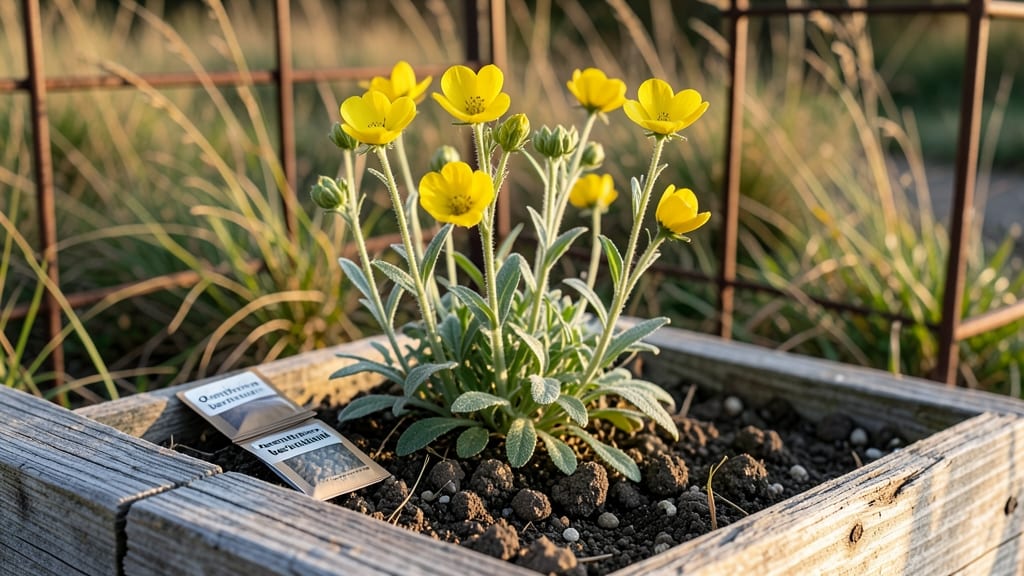
Growing Mexican primrose from seeds delivers sun-kissed blooms that turn any garden into a golden-hued dream. ✨ I’ve started these delicate seeds every spring, and the key isn’t complicated—just patience, the right timing, and a few simple tricks to coax those first tender sprouts.
The flowers themselves are a sight: bright yellow, cup-shaped, and impossible to ignore once they open.
You’ll need just three things to begin: fresh seeds, a shallow tray with drainage, and a spot that gets full sun (at least 6 hours daily). The soil should be light and well-draining—think cactus mix or a blend of potting soil and perlite.
Plant the tiny seeds on the surface (no burying!) and keep them lightly moist until germination, which can take 2-4 weeks if conditions are right. Honestly, the hardest part is waiting.
Once those first leaves appear, you’ll see why it’s worth it: vibrant green seedlings that grow fast with proper care. Thin them to 3-4 inches apart when they’re a few inches tall, and watch as they transform into bushy plants covered in blooms by midsummer.
The flowers attract pollinators all season long, making your garden a buzzing, golden paradise.
Works in zones 3-10, whether in containers or directly in the ground, and self-seeds easily for years of effortless color. Here’s how to avoid the common pitfalls—like dampness killing seeds or weak stems—and get that first flush of blooms without stress.
📚 In This Guide
- What you need
- Instructions
- Tips and common mistakes
- Wrapping up and next steps
What you need
- ● Mexican primrose seeds: 1–2 packets (500–1,000 seeds per packet, depending on variety). Opt for Oenothera species like Oenothera berlandieri or Oenothera lindheimeri for vibrant colors.
- ● Seed-starting mix: 1–2 bags (1–2 cubic feet) of sterile, well-draining potting soil (avoid garden soil—it may harbor pests or diseases). Look for a mix labeled "seed starter" or "cactus/succulent blend."
- ● Containers: Small seed trays (1020-cell trays) or
- ● 4–6-inch diameter pots (1–2 per seed packet). Ensure they have drainage holes!
- ● Grow lights or sunny windowsill: A full-spectrum LED grow light (12–16 hours/day) or a south-facing window (6+ hours of direct sunlight).
- ● Misting bottle or spray nozzle: For gentle watering (avoid oversaturating seeds!).
- ○ Plastic wrap or humidity dome: To create a mini greenhouse effect (optional but helpful for germination).
- ○ Fertilizer (optional but recommended): A balanced liquid fertilizer (e.g., 10-10-10 or 20-20-20) diluted to half-strength or
- ● A slow-release granular fertilizer (like Osmocote) mixed into the soil.
- ● Heat mat: Keeps soil warm (70–75°F) to speed up germination (especially useful in cooler climates).
- ● pH test kit: Mexican primroses thrive in slightly acidic to neutral soil (pH 6.0–7.0). Adjust with lime or sulfur if needed.
- ● Tweezers: For delicate seed placement (helpful if seeds are tiny!).
- ● Labeled plant markers: Track varieties (e.g., "Pink Sunset" or "Yellow Evening Primrose").
- ● Transplanting tray: Larger pots (6–8 inches) for seedlings before outdoor planting.
Step-by-Step instructions for growing Mexican primrose seeds
Here’s how to coax vibrant Mexican primrose blooms from tiny seeds—no fuss, just sun and patience.
🌱 Step 1: Prepare Containers and Seed Starting Mix
Fill 4-inch diameter pots with 2 gallons of sterile seed-starting mix, leaving ½ inch of space below the rim. Mexican primrose seeds need loose, well-draining soil to prevent damping-off. I press the mix down lightly with my fingers—just enough to remove air pockets without compacting it. If your mix feels dense, stir in ½ cup perlite per gallon to improve aeration.
Moisten the soil until it’s damp but not soggy—think of a wrung-out sponge. Overwatering now will smother seeds before they germinate. Place the pots in a shallow tray to catch any excess moisture. Label each pot with the planting date, since Mexican primrose seeds can take 3-4 weeks to sprout.
💧 Step 2: Sow Seeds and Maintain Ideal Germination Conditions
Scatter 4-5 seeds per pot on the soil surface—don’t bury them. Mexican primrose seeds need light to germinate, so pressing them gently into the top layer is enough. Mist the surface lightly with a spray bottle until the soil looks evenly moist. Cover the pots with clear plastic wrap to retain humidity, but leave a tiny gap for airflow.
Place the pots in a warm spot—70-75°F is ideal—like on top of a refrigerator or near a sunny window. Check daily for condensation on the plastic. If you see droplets, remove the wrap for 10 minutes to prevent fungal growth. Keep the soil consistently moist but never waterlogged. Germination happens fastest in bright, indirect light.
☀️ Step 3: Transition to Sun and Care for Young Plants
Once seedlings emerge—look for tiny green cotyledons—remove the plastic wrap immediately. Move the pots to a south-facing window or under grow lights for 12-14 hours daily. Mexican primrose thrives in full sun, but young plants need gradual exposure to avoid leaf scorch. Start with 2-3 hours of morning sun, then increase by 1 hour daily over 7-10 days.
Water when the top inch of soil feels dry—stick your finger in to check. Overwatering is the fastest way to kill these delicate seedlings. Fertilize lightly with a balanced liquid fertilizer (10-10-10) diluted to half-strength after the first true leaves appear. You’ll know they’re ready for transplant when they develop 3-4 sets of leaves, usually in 6-8 weeks.
Tips & tricks for perfect Mexican primrose seedlings
Here's what I've learned after nurturing dozens of these delicate blooms—simple secrets that make all the difference.
Soil Texture is Everything: In Step 1, when preparing your 2 gallons of seed-starting mix, resist the urge to pack it down too firmly. Mexican primrose roots need air circulation to prevent damping-off. I like to gently press the mix with my fingers until it holds shape but still crumbles easily. Think "light as a cloud" rather than "firm like a brick." If your mix feels dense, adding that ½ cup perlite per gallon creates perfect drainage channels. The goal is soil that feels like a damp sponge—not a wet towel.
Germination Timing Secret: Those 3-4 weeks to sprout might feel like an eternity, but patience pays off. I've found that maintaining the 70-75°F temperature range during germination is more critical than the time itself. Place your pots on top of a refrigerator or near a sunny window to maintain warmth. If your home runs cooler, consider a seedling heat mat set to 75°F—it can cut germination time by nearly a week. And remember: condensation on the plastic wrap means it's working too hard. That 10-minute daily air break prevents fungal growth while maintaining humidity.
Sun Transition Strategy: The gradual sun exposure in Step 3 is where most beginners go wrong. Start with just 2-3 hours of morning sun and increase by 1 hour daily over 7-10 days. I've seen seedlings scorch in minutes when moved to full sun too quickly. For indoor growers, rotate pots daily so all sides receive even light. If you're using grow lights, position them 6 inches above the seedlings and adjust height as they grow—closer for seedlings, farther as they mature. The goal is to harden them off without shocking their delicate leaves.
Fertilizer First Aid: That half-strength 10-10-10 fertilizer application after the first true leaves appears is non-negotiable. But here's the pro tip: mix your fertilizer with water in a separate container first, then add it to your watering can. This prevents salt buildup in the soil that can burn tender roots. I also recommend flushing the soil with plain water every 4-6 weeks to prevent salt accumulation. And wait until those 3-4 sets of leaves appear before fertilizing—young plants can't handle nutrients before their root systems are established.
Pro Tips for Mexican Primrose Seeds
- Here's what I've learned after nurturing dozens of these delicate blooms—simple secrets that make all the difference.
- Soil Texture is Everything: In Step 1, when preparing your 2 gallons of seed-starting mix, resist the urge to pack it...
- Germination Timing Secret: Those 3-4 weeks to sprout might feel like an eternity, but patience pays off. I've found t...
Frequently asked questions
Got questions about growing Mexican primrose seeds?
You’re not alone! Here are the most common queries—and their easy answers—to help you cultivate these sun-loving beauties with confidence.
How long does it take for Mexican primrose seeds to germinate?
Patience is key! Mexican primrose seeds typically sprout in 14–30 days under ideal conditions (warmth, moisture, and indirect light). Keep soil consistently moist but not soggy—think of it like a damp sponge. If germination takes longer, try a heat mat (70–75°F) to speed things up.
Can I plant Mexican primrose seeds directly outdoors, or should I start them indoors?
For best results, start indoors 6–8 weeks before your last frost (they’re frost-sensitive!). Use seed trays with well-draining soil, then transplant seedlings outdoors after nighttime temps stay above 55°F. If you’re in a warm climate, you can direct-sow in spring—but protect young plants from chilly drafts.
Why aren’t my Mexican primrose seeds sprouting? Troubleshooting tips!
Too cold?
These seeds need warmth (65–75°F) to germinate. Try a sunny windowsill or a seedling heat mat.
Not enough moisture?
Mist the soil lightly daily—don’t drown it, but keep it consistently damp.
Old seeds?
Mexican primrose seeds lose viability after 1–2 years. Check the seed packet date!
Low light?
Place trays near a bright window (or use grow lights) until sprouts appear.
Are Mexican primrose seeds annual or perennial?
In most climates, they’re treated as tender perennials—meaning they’ll bloom year after year if you protect them from frost. In colder zones, grow them as annuals and replant seeds each spring. Deadhead spent blooms to encourage more flowers and extend the season!
What’s a good alternative if Mexican primrose seeds are hard to find?
If you’re craving similar sun-loving, drought-tolerant blooms, try these easy substitutes:
- Mexican Sunflower (Tithonia rotundifolia) – Bold orange blooms, thrives in heat.
- Zinnia (Zinnia elegans) – Long-lasting, colorful, and super beginner-friendly.
- Gaillardia (Gaillardia pulchella) – Drought-resistant with fiery red/yellow flowers.
Wrapping up and next steps
Growing Mexican primrose seeds is a rewarding journey that brings vibrant, sun-loving blooms to your garden with minimal effort! 🌸 With the right soil, patience, and a dash of warmth, you’ll soon enjoy clusters of cheerful flowers that thrive in containers or beds.
Whether you’re a seasoned gardener or just starting, these seeds offer a low-maintenance way to add color and life to your outdoor space.
Ready to dive in? Start by gathering your supplies—then plant those seeds and watch your garden transform! 🌱 Happy growing!