
Propagation
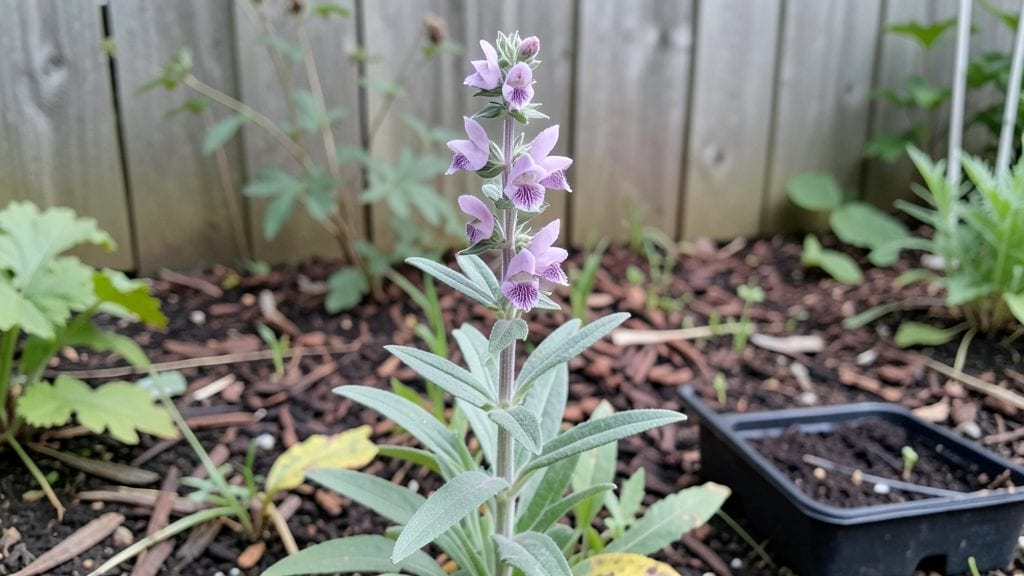
Penstemon barbatus seeds need that cold-stratum trick to break dormancy—otherwise, they’ll sit stubbornly in the soil for months. I’ve learned the hard way that skipping this step means waiting twice as long for those vibrant purple blooms that hummingbirds adore.
The secret lies in mimicking winter’s chill, whether through a fridge or a snowy outdoor spot, before sowing.
You’ll need just a few simple supplies: a clear plastic bag, some damp paper towels, and patience (the hardest part). Start seeds indoors 8-10 weeks before your last frost, or direct-sow in early spring when soil reaches 50°F.
The key is keeping seeds moist but not soggy during stratification—they’ll germinate faster and more reliably when they’ve experienced that natural cold snap.
Once germinated, you’ll see tiny seedlings emerge in 2-4 weeks, though some may take longer. Thin them to 12 inches apart once they’ve got two sets of true leaves—this prevents overcrowding and ensures each plant gets enough sunlight to develop those showstopping flower spikes.
The payoff? A summer full of nearly maintenance-free blooms that last from early June until frost.
This method works whether you’re growing in containers or garden beds, and it’s especially rewarding for gardeners in cooler climates where Penstemon thrives. The trick isn’t just about speed—it’s about unlocking the full potential of these drought-tolerant, pollinator magnets that make every season brighter.
📚 In This Guide
- What you need
- Instructions
- Tips and common mistakes
- Wrapping up and next steps
What you need
- ● Penstemon barbatus seeds – 10–50 seeds (depending on desired quantity; wildflower mixes often include 50+ seeds per packet).
- ● Cold-stratification method: Paper towels or dampened peat moss (1–2 cups).
- ● Plastic bag or airtight container (with small holes for airflow).
- ● Refrigerator (set to 34–40°F for 4–8 weeks).
- ● Planting medium: Seed-starting mix (sterile, well-draining; 1–2 gallons for a small tray).
- ● Small pots or seed trays (3–4 inches deep, with drainage holes).
- ● Tools: Spray bottle (for gentle watering).
- ● Fine-tip tweezers (for delicate seed placement).
- ● Plant labels (to track varieties).
- ● Grow lights (if natural light is less than 12 hours/day).
- ● Heat mat (to speed germination; 70–75°F ideal).
- ● Humidity dome (to retain moisture during early growth).
- ● Slow-release fertilizer (balanced 10-10-10 or 5-5-5).
Step-by-step instructions for growing Penstemon barbatus from seeds
Here’s my proven method to get vibrant Penstemon barbatus blooms in record time using cold stratification.
Collect and Prepare the Seeds
Harvest mature Penstemon barbatus seed pods when they turn brown and begin splitting open. Gently twist the pods to release the tiny, papery seeds inside. Store them in a dry, cool place until ready to stratify—this prevents premature sprouting and maintains viability.
I like to mix the seeds with a small amount of damp sand or vermiculum in a sealed container. This keeps them evenly moist without becoming soggy. The key here is patience—proper stratification takes 8-12 weeks, so plan ahead for spring planting.
Cold-Stratify for Germination Success
Place the sealed container of seeds in the refrigerator’s crisper drawer, where temperatures hover around 35-40°F. This mimics winter’s natural chilling period, breaking dormancy and ensuring strong germination. Check the mix every 2-3 weeks—it should remain lightly moist but never wet.
If you’re in a hurry, you can speed up the process by placing the container outside in a protected spot during winter. Just bury it in a shallow trench or hide it under mulch to shield it from freezing temperatures. Once the seeds have undergone their cold treatment, they’ll be ready to sprout when spring arrives.
Sow Stratified Seeds in Containers
Fill small pots or seed trays with a well-draining seed-starting mix and moisten it lightly. Scatter the stratified seeds on the surface—Penstemon barbatus seeds are tiny, so I use a toothpick to space them about ¼ inch apart. Press them gently into the soil, but don’t bury them too deep.
Cover the tray with plastic wrap or a humidity dome to retain moisture and warmth. Place the container in a bright, indirect light spot—60-65°F is ideal for germination. You should see sprouts in 2-4 weeks, though some seeds may take longer. Avoid disturbing them until the first true leaves appear.
Transplant and Harden Off Seedlings
Once seedlings develop 2-3 sets of true leaves, they’re ready to move into individual pots. Use 3-inch containers to give them room to grow without crowding. Gently remove them from the tray, being careful not to damage the delicate roots, and transplant them into fresh potting mix.
Harden off the seedlings over 7-10 days by gradually exposing them to outdoor conditions. Start with 1-2 hours of shade on the first day, then increase their time outside each subsequent day. By the time they’re ready for the garden, they should be able to handle full sun without wilting.
Plant Out and Maintain for Fast Blooms
Choose a sunny spot in your garden with well-draining soil—Penstemon barbatus thrives in full sun and tolerates dry conditions once established. Space plants 12-18 inches apart to allow for air circulation and prevent disease. Water deeply after planting to help roots settle in.
Once established, Penstemon barbatus is drought-tolerant, but young plants need consistent moisture. Mulch around the base to retain soil moisture and suppress weeds. With proper care, you’ll see bright blooms in just 8-10 weeks from sowing—far faster than waiting for seeds to germinate naturally!
Tips & tricks for perfect Penstemon barbatus blooms
Cold stratification may seem like a waiting game, but these key strategies will help you maximize germination rates and accelerate your path to vibrant blooms—without sacrificing quality.
Timing Secret: The 8-12 week stratification period is non-negotiable for breaking dormancy, but you can optimize it by starting in early fall. This ensures seeds complete their cold treatment just as natural spring conditions arrive. I always begin mine in October to align with nature's schedule—this timing guarantees seedlings emerge when daytime temperatures reach the ideal 60-65°F range for germination.
Temperature Matters: While 35-40°F is perfect for most refrigerators, some models run cooler. If your crisper drawer hovers around 40°F, you're actually creating ideal conditions—just monitor moisture more frequently since cooler temps slow evaporation. For faster results during winter's coldest months, bury your container outside where natural ground temperatures often sit right at 35°F, protected from freezing.
Seed Handling Technique: When harvesting those tiny papery seeds, resist the urge to rush. Use a fine-mesh sieve to separate seeds from chaff without damaging them. For extra protection during stratification, I add a sprinkle of powdered milk to the damp sand mix—this provides beneficial bacteria that boost germination rates. The seeds will stay viable for up to 3 years if stored properly in a cool, dry place.
Lighting Strategy: During the germination phase, avoid direct sunlight which can overheat your seed trays. Instead, position them near an east-facing window where they'll receive gentle morning light. If using grow lights, maintain a 12-hour photoperiod to mimic natural conditions. The goal is to keep temperatures steady at 60-65°F—any hotter and you risk damping off, any cooler and germination slows dramatically.
Pro Tips for Penstemon Barbatus Seeds
- Cold stratification may seem like a waiting game, but these key strategies will help you maximize germination rates and accelerate your path to vibrant blooms—without sacrificing quality.
- Timing Secret: The 8-12 week stratification period is non-negotiable for breaking dormancy, but you can optimize it by starting in early fall.
- Temperature Matters: While 35-40°F is perfect for most refrigerators, some models run cooler.
Frequently asked questions
Got questions about growing Penstemon barbatus from seeds? You’re not alone! Here are some of the most common queries—and their answers—to help you succeed with this stunning wildflower.
How long does it take for Penstemon barbatus seeds to germinate?
With the cold-stratification trick, germination typically takes 2–4 weeks after sowing. Keep seeds moist and in a cool (35–45°F) spot for best results. Patience pays off—these seeds are slow but steady!
Can I skip cold-stratification and still grow Penstemon barbatus?
Cold-stratification boosts germination rates, but you can try sowing seeds directly in fall or winter for natural stratification. If planting in spring, soak seeds overnight or use a seedling heat mat for 2–3 weeks before transplanting. Results may be slower, though!
What’s the best soil mix for Penstemon barbatus seeds?
Use a well-draining, sandy-loam mix with perlite or coarse sand (30% sand, 70% potting soil). These seeds hate soggy soil—add a layer of gravel at the bottom of pots to prevent rot. A slightly alkaline pH (6.5–7.5) works best for happy seedlings!
Why aren’t my Penstemon barbatus seeds sprouting?
Check these fixes:
- Moisture: Keep soil consistently damp (not waterlogged). Mist seeds daily.
- Temperature: Seeds need 40–50°F for stratification. A fridge works!
- Freshness: Old seeds (over 1 year) may fail—buy new ones if unsure.
- Light: Seeds need bright, indirect light post-germination.
How do I ensure my Penstemon barbatus plants bloom faster?
For faster blooms:
- Give seedlings full sun (6+ hours/day) after germination.
- Fertilize lightly with low-nitrogen, high-phosphorus (like 5-10-10) once true leaves appear.
- Avoid overwatering—drought-tolerant once established!
- Deadhead spent blooms to encourage more flowers.
Can I collect and save Penstemon barbatus seeds for next year?
Yes! Let some flowers fade naturally—seed pods will form. Harvest when they turn brown and papery (usually late summer/fall). Store seeds in a cool, dry place (like a paper envelope) for up to 2 years. Cold-stratify again before replanting for best success.
Wrapping up and next steps
Growing Penstemon barbatus from seeds is a rewarding journey—especially when you unlock those fast blooms with the cold-stratum trick! 🌱 With the right prep, patience, and care, you’ll soon enjoy vibrant, drought-tolerant flowers that attract pollinators to your garden.
Whether you’re a seasoned gardener or just starting, this method makes it easier than ever to cultivate this stunning perennial.
Ready to dive in? Start by gathering your seeds and supplies, then follow the steps to stratify and nurture your seedlings. Before you know it, your garden will be bursting with color—happy growing! 🌸