Pests
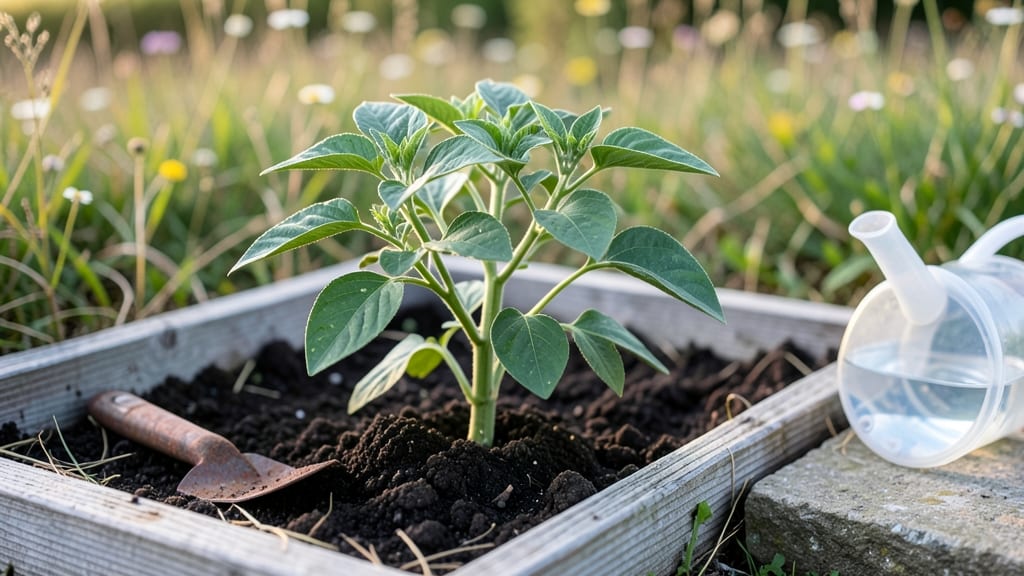
When your pepper seedling leaves turn yellow or droop, it’s not a death sentence—just a cry for help. 🌱 I’ve nursed back more seedlings than I can count, and the first step is always identifying whether it’s water, pests, or something else.
The good news? Most issues fix themselves with simple adjustments, and you’ll have sturdy plants ready for transplant in no time.
Overwatering is the #1 culprit behind yellowing leaves, but pests like aphids or fungal damp-off can strike just as fast. I learned the hard way that soggy soil and crowded seedlings create the perfect storm for disease.
The key is checking the soil moisture with your finger—if it’s damp more than an inch down, hold off on watering. For pests, a strong spray of water usually knocks them loose, and a little neem oil keeps them away.
Once you’ve ruled out water and pests, nutrient deficiencies or transplant shock might be the issue. A balanced fertilizer (like 10-10-10) gives seedlings a quick boost, and moving them to brighter light prevents leggy, weak growth.
Within a week, you’ll see leaves perk up and regain their deep green color—proof the plant is on the mend.
This method works for bell peppers, jalapeños, and even heat-loving varieties like habaneros. The same steps apply whether you’re growing in trays or individual pots. Stick with it, and you’ll have seedlings that outperform store-bought transplants every time.
Root Causes Of Leaf Stress
Understanding why your pepper seedling leaves are struggling is the first step to saving them. 🌱💨 Below, we break down the most common culprits behind yellowing, wilting, or drooping leaves—each with a clear scientific explanation and actionable insight.
Why it happens: Pepper seedlings thrive in well-draining soil with moderate moisture. When roots sit in soggy conditions, they suffocate from a lack of oxygen, leading to anaerobic stress. This triggers:
- Chlorosis (yellowing) from disrupted nutrient uptake (especially nitrogen and iron).
- Root rot (fungal/bacterial infections like Phytophthora or Pythium), which blocks water and nutrient flow.
- Wilting as roots fail to absorb water efficiently, even if the soil looks wet.
Key signs:
- Yellowing between leaf veins (iron deficiency).
- Black, mushy roots when checked.
- Soil that stays clumpy or smells sour.
💡 Pro Tip: Stick your finger 1 inch into the soil—if it’s damp, wait. If it’s bone-dry, water deeply but never let seedlings sit in saucers of water.
Why it happens: Pepper seedlings have shallow root systems early on, making them vulnerable to dehydration. When soil dries out too quickly:
- Plasma membrane damage occurs in root cells, halting water absorption.
- Stomata (leaf pores) close to conserve moisture, causing wilting and crispy edges.
- Nutrient deficiencies emerge (e.g., magnesium or potassium) because dry soil binds minerals tightly.
Key signs:
- Leaves curl upward or downward (like "fishhooks").
- Soil pulls away from pot edges.
- Leaves feel dry or papery to the touch.
🔥 Quick Fix: Water slowly at the base until it runs out the drainage hole. Use lukewarm water to avoid shocking roots.
Why it happens: Seedlings need balanced nutrients (N-P-K + micronutrients) to synthesize chlorophyll and maintain cell structure. Deficiencies cause:
- Nitrogen (N) deficiency: Pale yellow leaves starting at the older (bottom) leaves—chlorophyll production halts.
- Magnesium (Mg) deficiency: Interveinal yellowing (between veins) due to disrupted chlorophyll molecules.
- Iron (Fe) deficiency: Yellowing in young leaves (new growth) from poor uptake in alkaline soils.
- Potassium (K) deficiency: Brown scorch marks on leaf edges (cells lose turgor pressure).
Key signs:
| Nutrient | Leaf Symptoms | Soil pH Trigger |
|---|---|---|
| Nitrogen | Uniform yellow, stunted growth | Low N availability |
| Magnesium | Yellow patches between veins | High pH (>7.0) |
| Iron | Bright yellow new leaves | Calcareous/alkaline soil |
| Potassium | Brown leaf edges, weak stems | Overwatering or drought |
🌡️ Action Step: Test soil pH (ideal: 6.0–6.8). Amend with compost, worm castings, or chelated iron if needed.
Why it happens: Tiny invaders can sap nutrients or block stomata, leading to leaf distress:
- Aphids/Spider Mites: Pierce leaves to feed on phloem sap, causing stunted growth and silver/dotted undersides.
- **Fungal Pathogens (e.g., Alternaria or Botrytis): Thrive in high humidity, clogging stomata and triggering yellow-brown spots with fuzzy mold.
- Root-Knot Nematodes: Microscopic worms that gall roots, reducing water/nutrient uptake and causing stunted, yellow seedlings.
Key signs:
- Sticky residue (aphid honeydew) or webbing (mites).
- Spots with halos (fungal infections).
- Seedlings that topple easily (root damage).
✨ Prevention: Use neem oil spray (1 tsp/quart water) or reflective mulch to deter pests. Rotate crops annually to break disease cycles.
Why it happens: Pepper seedlings are sensitive to temperature swings and light fluctuations:
- Cold Drafts: Below 50°F (10°C), cell membranes solidify, halting nutrient transport and causing purple stems (phosphorus deficiency).
- Heat Stress: Above 90°F (32°C), protein denaturation occurs in leaves, leading to wilting and bleached patches.
- Low Light: Etiolation (elongated, weak stems) happens when seedlings stretch toward light, yellowing as they exhaust energy reserves.
Key signs:
- Leaves cup downward (heat stress).
- Stems lean or break easily (light deprivation).
- Purple veins (cold damage).
🎯 Solution: Move seedlings to a consistent 65–75°F (18–24°C) spot with 12+ hours of bright light (grow lights if needed). Avoid direct afternoon sun in hot climates.
Why it happens: Repotting or moving seedlings disturbs root hairs, which take 3–7 days to regenerate.
During this time: - Root exudates (sticky compounds that attract beneficial microbes) are lost. - Osmotic imbalance occurs as roots adjust to new soil salinity or moisture levels. - Ethylene gas (a stress hormone) builds up, triggering premature leaf drop.
Key signs:
- Wilting within 24–48 hours post-transplant.
- Yellowing at the leaf tips (new growth stalls).
- Stunted root growth when checked.
👨🍳 Fix: Acclimate seedlings 1 week before transplanting. Use moistened coconut coir or seedling mix to minimize shock. Water lightly** for 3 days post-move.
Fixing Pepper Seedling Leaf Issues
Now that you know the common causes behind yellowing, drooping, or spotted pepper seedling leaves, let’s roll up our sleeves and get those plants thriving again! Below are practical, step-by-step fixes tailored to each problem, plus prevention tips to keep your seedlings healthy long-term.
Signs: Yellowing leaves, mushy stems, wilting despite damp soil, or a foul smell.
How to Fix It: 🔥 Step 1: Pause Watering Immediately Stop adding water until the soil dries out. Overwatering suffocates roots by cutting off oxygen, leading to rot.
🍳 Step 2: Check Soil Moisture Use your finger to test soil moisture 1–2 inches deep. If it’s soggy, hold off on watering for 2–3 days. Seedlings only need water when the top inch feels dry.
👨🍳 Step 3: Improve Drainage
- Repot if needed: If your container lacks drainage holes, transfer the seedling to a pot with holes or a raised bed.
- Add perlite or sand: Mix in 20% perlite or coarse sand to improve aeration and drainage.
- Raise the pot: Place it on a saucer or elevated stand to prevent water pooling.
🥘 Step 4: Trim Damaged Roots (If Severe) If the stem feels mushy when gently squeezed, the roots may be rotting. Carefully remove the seedling, trim away black/mushy roots with sterilized scissors, and replant in fresh, dry potting mix.
Prevention Tips: ✨ Water wisely: Use the "finger test"—stick your finger in the soil before watering. For seedlings, less is more! 🌡️ Choose the right pot: Opt for containers with drainage holes and avoid saucers that trap excess water. 💡 Mulch lightly: Use a thin layer of coco coir or straw to retain just enough moisture without drowning roots.
Signs: Crispy, brown edges, dry soil pulling away from the pot, or leaves curling inward.
How to Fix It: 🔥 Step 1: Water Deeply and Slowly Give the seedling a slow, thorough drink until water runs out the drainage hole. Avoid shallow sprinkles—roots need hydration at all levels.
🍳 Step 2: Adjust Your Watering Schedule
- Morning watering: Water in the early morning (6–9 AM) to allow foliage to dry before evening.
- Group seedlings: Cluster pots together to create a humid microclimate, reducing evaporation.
👨🍳 Step 3: Increase Humidity (If Needed) Place a humidity dome (or a clear plastic bag with holes) over the seedling for 3–5 days to help recovery. Remove once leaves perk up.
🥘 Step 4: Check for Root Bound If the seedling has outgrown its pot, gently repot it into a slightly larger container with fresh potting mix.
Prevention Tips: ✨ Group seedlings: Keep them close together to maintain moisture levels. 🌡️ Use a moisture meter: These inexpensive tools tell you exactly when to water. 💡 Mulch with moisture-retaining materials: Try peat moss or vermiculite to lock in hydration.
Signs: Tiny holes in leaves, sticky residue (aphids), white webbing (spider mites), or chewed edges.
How to Fix It: 🔥 Step 1: Isolate the Seedling Move the affected plant away from others to prevent spreading. Check nearby seedlings daily for signs.
🍳 Step 2: Blast Off Pests (Non-Toxic Methods) - Neem oil spray: Mix 1 tsp neem oil + 1 tsp mild soap + 1 quart water.
Spray every 3–5 days until pests vanish. - Insecticidal soap: Use a store-bought or homemade (1 tbsp castile soap + 1 quart water) spray. Reapply after rain. - Diatomaceous earth (DE): Sprinkle food-grade DE around the base (avoid direct contact with leaves—it’s abrasive).
👨🍳 Step 3: Remove Heavy Infestations
- Handpick large pests (like caterpillars) with tweezers or a damp paper towel.
- Wipe leaves with a soapy sponge to dislodge aphids or mites.
🥘 Step 4: Boost Plant Immunity
- Fertilize lightly: Use a balanced, water-soluble fertilizer (10-10-10) to strengthen growth.
- Encourage beneficial insects: Attract ladybugs or lacewings by planting marigolds or dill nearby.
Prevention Tips: ✨ Inspect regularly: Check undersides of leaves and stems weekly for early signs. 🌡️ Quarantine new plants: Keep newly purchased seedlings separate for 2 weeks before introducing them to your garden. 💡 Rotate crops: Avoid planting peppers in the same spot yearly to disrupt pest life cycles.
Signs: Yellowing between veins (iron/chlorosis), purple stems (phosphorus), or slow growth despite water.
How to Fix It: 🔥 Step 1: Test Your Soil Use a DIY soil test kit (or send a sample to a local extension office) to identify deficiencies. Common issues for seedlings:
- Nitrogen (N): Yellowing lower leaves.
- Iron (Fe): Yellow leaves with green veins.
- Phosphorus (P): Purple stems or stunted growth.
🍳 Step 2: Apply Targeted Fertilizer
- For nitrogen: Use fish emulsion or compost tea (diluted to half-strength).
- For iron: Sprinkle chelated iron granules around the base and water in.
- For phosphorus: Apply a bone meal or rock phosphate fertilizer.
👨🍳 Step 3: Adjust pH if Needed
- Too acidic (pH <6.0)? Add lime to raise pH.
- Too alkaline (pH >7.0)? Mix in sulfur or peat moss to lower pH.
🥘 Step 4: Feed Lightly but Often Seedlings are sensitive to over-fertilizing. Use a weak solution (¼ strength) of a balanced fertilizer every 2 weeks.
Prevention Tips: ✨ Start with rich soil: Use a seed-starting mix with added compost or worm castings. 🌡️ Rotate fertilizers: Alternate between organic (compost) and synthetic to avoid buildup. 💡 Transplant carefully: If repotting, use fresh, nutrient-dense soil to avoid shocking roots.
Once you’ve addressed the root cause, give your seedlings TLC to bounce back:
- Prune damaged leaves: Snip off yellow, brown, or pest-ridden leaves with clean scissors to redirect energy.
- Provide bright, indirect light: Move seedlings to a south-facing window or under grow lights (12–16 hours/day).
- Avoid stress: Keep temperatures stable (65–75°F) and protect from drafts.
Remember: Prevention is your best tool! By mastering watering, pest control, and soil health, your pepper seedlings will grow strong—and you’ll avoid future heartaches. 🌿💪
Frequently asked questions about pepper seedling leaves
Why are my pepper seedling leaves turning yellow?
Yellowing leaves usually signal overwatering or nutrient deficiencies. Check soil moisture—if it's damp more than 1 inch down, hold off on watering. For deficiencies, yellowing between veins often means iron or magnesium issues, while uniform yellowing points to nitrogen lack. Test soil pH (ideal: 6.0-6.8) and amend with compost or chelated iron if needed.
What do curled pepper seedling leaves mean?
Curled leaves typically indicate underwatering or pest damage. Check soil moisture first—if dry, water slowly until it drains from the bottom. For pests, inspect leaf undersides for aphids or spider mites. A strong spray of water or neem oil solution (1 tsp oil + 1 tsp soap per quart of water) usually resolves the issue within 3-5 days.
How often should I water pepper seedlings?
Water when the top inch of soil feels dry—typically every 2-3 days for seedlings in warm conditions. Use the finger test: Stick your finger in the soil before watering. Avoid soggy soil, which causes root rot. Water in the morning to prevent evening moisture buildup that attracts pests.
Can I save a pepper seedling with black spots on the leaves?
Black spots often indicate fungal disease (like Alternaria) or bacterial infections. Remove affected leaves immediately and improve airflow by spacing seedlings 2-3 inches apart. Apply a copper fungicide or baking soda spray (1 tsp baking soda + 1 quart water + drop of soap) every 7-10 days. Avoid overhead watering to prevent spreading.
Why are my pepper seedling leaves purple?
Purple stems or leaves usually mean phosphorus deficiency or cold stress. Move seedlings to a warmer spot (65-75°F) and protect from drafts. Apply a bone meal fertilizer or compost tea to boost phosphorus. Purple veins specifically suggest cold damage—keep seedlings away from windows at night if temps drop below 50°F.