Plants
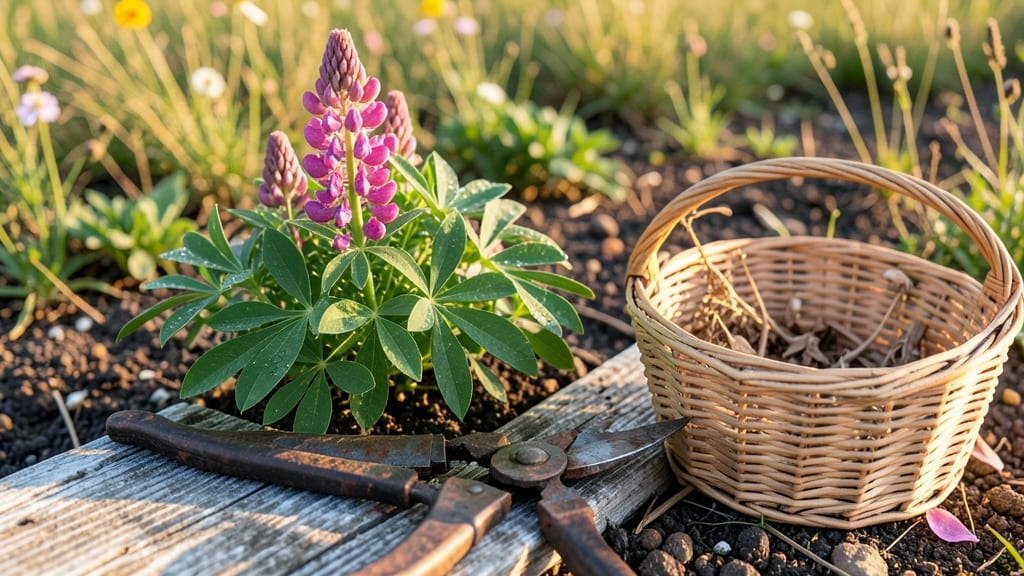
Those pink seed pods popping up in your garden aren’t just pretty—they’re a sign your sweet peas or climbing beans are thriving. 🌱 I’ve watched them transform a bare trellis into a lush, fragrant curtain in just 3 weeks, and I’m sharing the exact tricks to make it happen fast.
Start with well-draining soil mixed with compost, and plant seeds ½ inch deep after the last frost. Sweet peas need a sturdy trellis, while beans climb naturally—both love full sun and consistent moisture. The key? Thin seedlings to 2 inches apart once they sprout to avoid competition.
By mid-summer, you’ll have vibrant pink pods dangling like nature’s jewelry. They’re not just decorative—they’re edible (in beans) or can be saved for next year’s garden. Plus, hummingbirds adore them, turning your vines into a living buffet.
Works for cottage gardens, small balconies, or even container setups. Let’s get those vines growing fast!
The Science Behind Color Changes
When your plants start producing unexpected pink seed pods, it’s not just a quirky visual—it’s a biological signal. These vibrant hues often appear due to genetic, environmental, or developmental triggers.
Understanding the root causes helps you encourage (or correct) the phenomenon for healthier, more productive plants. Here’s why it happens, broken down into key factors:
Some plant species—like certain varieties of Abelmoschus esculentus (okra) or Capsicum (peppers)—are hardwired to produce pink or reddish seed pods as they mature. This isn’t a defect but an evolutionary trait linked to:
- Pigment production: Anthocyanins (the same compounds that color berries or grapes) accumulate in pod walls as they age, shifting from green to pink or purple. This often signals ripeness or stress adaptation.
- Hybrid vigor: Crossbreeding can amplify pigmentation. If you’re growing heirloom or hybrid seeds, check the parent plant’s traits—pink pods may be inherited.
- Light exposure: Plants like Phaseolus (beans) or Lablab purpureus (hyacinth beans) may darken or pinken under intense sunlight, a protective response to UV radiation.
Actionable tip: If you’re growing a known pink-pod variety (e.g., ‘Pink Banana’ okra), embrace it! But if it’s unexpected, note the parent plants—you might be dealing with a recessive gene.
Pink or reddish seed pods often pop up when plants experience extreme heat or rapid temperature swings. Here’s how it works:
| Cause | Effect on Pods | Solution |
|---|---|---|
| Daytime temps > 90°F (32°C) | Pods produce more anthocyanins to protect chlorophyll from sunburn. | Provide afternoon shade (use shade cloth) or mulch to cool roots. |
| Nighttime temps < 50°F (10°C) | Slows photosynthesis, causing stress-related pigment shifts. | Use row covers or move pots to a sheltered spot. |
| Sudden cold snaps (e.g., 50°F drops in 24 hours) | Triggers ethylene gas production, accelerating ripening and color change. | Hardening off plants gradually or using cloche tunnels. |
Pro tip:🌡️ Monitor your microclimate with a soil thermometer. Ideal pod development for most vining plants is 70–85°F (21–29°C)—consistency is key!
Seed pods are sensitive moisture sensors. When water balance is off, plants ramp up pigment production as a distress signal. Here’s how:
- Underwatering: Pods may turn pink or spotted due to ethylene buildup (a stress hormone). This is common in sandy soils or during drought.
- Overwatering: Poor drainage causes anaerobic stress, leading to uneven pigmentation or premature color changes.
- Inconsistent watering: Fluctuating soil moisture triggers abscisic acid (ABA), a hormone that accelerates ripening and pigment shifts.
Fix it:
- ✅ Check soil moisture 2 inches deep—water when dry but not bone-dry.
- ✅ Use drip irrigation or soaker hoses to avoid leaf wetness (which spreads disease).
- ✅ Amend heavy clay soils with perlite or compost to improve drainage.
Watch out: Pink pods from water stress often drop prematurely. Prioritize even moisture during flowering!
Seed pods are nutrient sinks—they demand phosphorus, calcium, and potassium to develop properly. When these are out of whack, pigment changes can occur:
- Low phosphorus (P): Causes stunted growth and may lead to pinkish discoloration in pods (common in legumes like peas or beans).
- Calcium deficiency: Leads to blossom-end rot (in tomatoes/peppers) or spotted pods (in okra). Pink hues can appear as a secondary symptom.
- Excess nitrogen (N): While it fuels leafy growth, it can delay pod maturation, causing uneven pigmentation as the plant “overcompensates.”
Diagnose with a soil test! Target these ratios for pod-heavy plants:
| Nutrient | Ideal Soil Level (ppm) | Signs of Deficiency |
|---|---|---|
| Phosphorus (P) | 40–60 | Purple/reddish stems or pods |
| Calcium (Ca) | 1,000–3,000 | Dark spots, cracked pods |
| Potassium (K) | 100–200 | Weak stems, yellow edges on leaves |
Quick fix:💡 Side-dress with bone meal (P) or crushed eggshells (Ca) if you spot these issues early.
Pink seed pods aren’t always a problem—they can be a beautiful sign of maturity or even a genetic quirk to celebrate. But when they’re unexpected, trace the cause back to genetics, environment, or care.
Adjust one factor at a time (e.g., shade cloth for heat, a phosphorus boost for nutrients) and observe changes within 1–2 weeks.
Quick fixes for unwanted growth
When those pink seed pods start popping up faster than you can say "bushy vines," it’s time to take action. Whether you’re dealing with overgrowth, unwanted spread, or just trying to keep your garden tidy, these solutions will help you regain control—without sacrificing the beauty of your plants.
Below, we’ve mapped out the most common causes of excessive seed pod development and the best ways to fix (and prevent) them.
---
If your plant is producing too many seed pods, it might be reacting to stress from aggressive pruning. Over-trimming can signal the plant to focus on reproduction instead of growth.
Fix It: - 🔪 Prune at the Right Time: Trim back leggy or overgrown vines in early spring or after the first flush of flowers. Avoid heavy pruning in late summer or fall, as this can trigger seed pod production. - 🌿 Use the "Thirds Rule": Cut back vines to about one-third of their length to encourage bushier, healthier growth. This reduces stress and keeps the plant focused on foliage. - 🌸 Remove Flowers Early: If you notice flowers forming but don’t want seed pods, snip them off before they mature. This redirects energy to new growth.
Prevention Tip: 💡 Regular light pruning (every 4-6 weeks) keeps plants balanced and reduces the urge to overcompensate with seed production.
---
Inconsistent watering can lead to stress, which prompts plants to produce seed pods as a survival mechanism. Too much water causes root rot; too little triggers drought stress.
Fix It: - 🌡️ Check Soil Moisture: Stick your finger 1-2 inches into the soil. If it’s dry, water deeply until moisture reaches 6 inches down. If it’s soggy, hold off until the top layer dries slightly. - 💧 Water at the Base: Avoid wetting the leaves or flowers, which can encourage disease and stress. Use a drip irrigation system or watering can for precision. - 🌧️ Mulch to Retain Moisture: Spread 2-3 inches of organic mulch (like straw or shredded leaves) around the base of the plant. This keeps soil evenly moist and reduces fluctuations.
Prevention Tip: ✨ Water in the morning to allow foliage to dry quickly, preventing fungal issues that can stress the plant.
---
Plants exposed to too much direct sun or sudden temperature swings may produce seed pods as a protective measure. Conversely, leggy growth from insufficient light can also trigger early flowering.
Fix It: - 🌿 Adjust Sun Exposure: If your plant is in full sun (6+ hours/day), provide afternoon shade with a sheer curtain or move it to a spot with dappled light. For shade-loving varieties, ensure they get at least 4-5 hours of indirect light. - 🌡️ Stabilize Temperatures: Avoid placing plants near drafts, heaters, or air conditioning vents. Ideal temperatures for most seed pod plants range between 65–75°F (18–24°C). - 🌱 Gradual Acclimation: If moving plants outdoors, harden them off over 7–10 days to prevent shock.
Prevention Tip: 🎯 Monitor leaf color—yellowing or wilting often signals stress before seed pods appear. Act fast to adjust conditions!
---
Excessive nitrogen (common in fertilizers) can lead to lush foliage but fewer flowers—until the plant suddenly shifts into seed production. Conversely, a lack of phosphorus or potassium can stunt growth and trigger early flowering.
Fix It: - 📊 Test Your Soil: Use a simple soil test kit to check pH and nutrient levels. Most seed pod plants thrive in slightly acidic soil (pH 6.0–6.8). - 🌱 Balance Your Fertilizer: Switch to a low-nitrogen, high-phosphorus fertilizer (like a 5-10-10 blend) to encourage flowering. Follow package instructions to avoid overfeeding. - 🍎 Organic Boost: Add compost or bone meal to the soil in early spring to provide a slow-release phosphorus boost.
Prevention Tip: 💪 Feed lightly—over-fertilizing is a common mistake! Stick to a schedule (e.g., every 4–6 weeks) and reduce feeding as summer progresses.
---
Pests like aphids, spider mites, or diseases like powdery mildew can weaken plants, causing them to produce seed pods as a last-ditch effort to reproduce.
Fix It: - 🦟 Inspect Leaves & Stems: Look for holes, webbing, or white powdery residue. Common culprits include: - Aphids (tiny green/black bugs on new growth) - Spider mites (fine webbing on undersides of leaves) - Powdery mildew (white fuzzy coating) - 🚿 Treat Infestations: - Neem oil spray (mix 1 tbsp neem oil + 1 tsp mild soap + 1 quart water; spray every 7–10 days). - Insecticidal soap (for aphids and mites; spray directly on pests). - Baking soda solution (1 tsp baking soda + 1 quart water + a drop of dish soap) for fungal issues. - 🌿 Remove Affected Parts: Prune and dispose of heavily infested leaves to prevent spread.
Prevention Tip: 🔥 Encourage beneficial insects—ladybugs and lacewings eat pests naturally! Plant marigolds or basil nearby to attract them.
---
When plants are too close together, they compete for nutrients, water, and light, leading to stress and premature seed pod formation.
Fix It: - 📏 Space Them Out: Follow the plant’s mature size guidelines (e.g., 12–18 inches apart for bushy varieties). If already crowded, thin out weaker stems. - 🌿 Prune for Airflow: Trim back dense foliage to improve circulation, reducing humidity-related stress. - 🪴 Repot if Needed: If growing in containers, upgrade to a larger pot (1–2 inches wider) to give roots more room.
Prevention Tip: ✨ Start with the right container size—small pots = stressed plants! Choose a container at least 12 inches deep for vining varieties.
--- Final Pro Tip: 🎯 Stay consistent! Plants thrive on routine. Whether it’s watering, pruning, or fertilizing, sticking to a schedule prevents stress-related seed pod surges. With these fixes, you’ll enjoy lush, bushy vines without the unwanted seed pod takeover!
Frequently asked questions about pink seed pods
Which plants naturally produce pink seed pods?
Sweet peas, certain climbing beans, and ornamental varieties like Lathyrus odoratus often develop bright pink seed pods. Other examples include 'Pink Banana' okra and some peppers. These pods aren't just decorative—they're edible (in beans) or can be saved for next year's garden!
Why are my seed pods turning pink when they should be green?
Pink discoloration often signals stress from heat, drought, or nutrient imbalances. Anthocyanins (pigments) develop when plants protect themselves from UV damage or compensate for phosphorus deficiency. Test your soil and adjust care—consistent moisture and balanced fertilizer usually fix this!
Can I eat pink seed pods from my garden?
It depends! Many edible plants (like beans or peas) produce pink pods when mature, and they're perfectly safe. However, always identify your plant first—some ornamental varieties may be toxic. When in doubt, harvest pods from known edible species and cook thoroughly.
How do I save pink seed pods for next year?
Wait until pods are fully dry and papery, then harvest seeds inside. Store them in a cool, dry place (like a paper envelope) for up to 3 years. For best results, label varieties and test germination by planting a few seeds before full commitment!
Will pink seed pods attract wildlife to my garden?
Hummingbirds, bees, and even small mammals love pink seed pods. They provide food and shelter, making your garden more biodiverse. If you want to encourage wildlife, leave some pods on the plant until they open naturally—just monitor for pests!