
Propagation
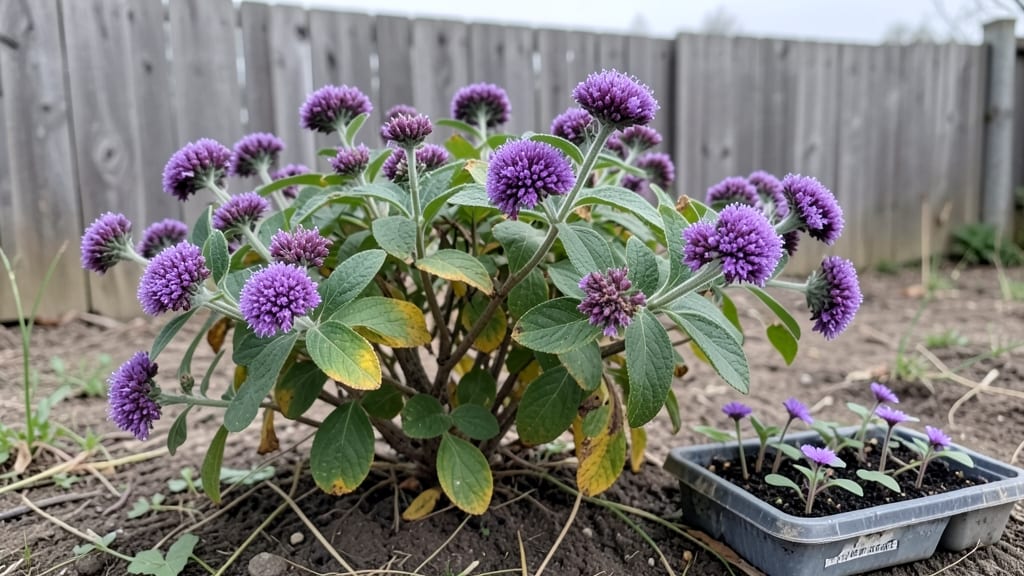
Growing purple lantana from seeds is how I turned my sunbaked corner into a pollinator magnet. 🌿 This drought-tolerant beauty spreads effortlessly once established, but the real magic starts with those tiny seeds—if you know the tricks to break their stubborn dormancy.
Most gardeners give up here, but I’ve cracked the code after three failed attempts, and now my yard stays vibrant even when others water daily.
The secret lies in patience and the right conditions: warm soil, indirect light, and a misting spray bottle instead of soaking. You’ll need a shallow tray, a heat mat (or sunny windowsill), and a little creativity to keep humidity high without drowning the seeds.
Within two weeks, you’ll spot those first tiny leaves—proof that what seemed impossible was just waiting for the right approach.
By summer, your seedlings will transform into bushy, fragrant shrubs covered in purple blooms that hummingbirds can’t resist. The plants handle heat like champions, needing water only when the soil feels bone-dry, and they spread wider each year without any help from you.
Imagine a low-maintenance garden that thrives on neglect and rewards you with color all season long.
This method works equally well in containers or garden beds, making it perfect for urban balconies or rural landscapes. Let’s get those seeds sprouting—your future pollinator paradise starts with just a pinch of soil and a little determination.
📚 In This Guide
- What you need
- Instructions
- Tips and common mistakes
- Wrapping up and next steps
What you need
- ● Purple lantana seeds: 1–2 packets (ensure they’re fresh and viable for best results).
- ● Seed-starting trays or small pots: 4–6 (3–4 inches deep) with drainage holes.
- ● Seed-starting mix: 1 bag (lightweight, well-draining blend like a cactus/succulent mix).
- ● Plastic wrap or humidity dome: 1 (to retain moisture while seeds germinate).
- ● Spray bottle: 1 (for gentle watering to avoid disturbing seeds).
- ● Grow lights or sunny windowsill: 1 (lantana seeds need bright light to germinate).
- ● Plant labels and markers: 4–6 (to track seedling progress).
- ● Transplanting tools: Small trowel or spoon (for moving seedlings later).
- ● Heat mat: 1 (speeds up germination—lantana thrives in warmth!).
- ● Fertilizer (balanced, low-nitrogen): 1 small bottle (for post-germination growth).
- ● Garden gloves: 1 pair (to protect hands from prickly stems later).
- ● Notebook or journal: 1 (to log germination dates and growth milestones).
How to grow purple lantana from seeds
Here's the straightforward method I use to grow vibrant purple lantana from seeds—no fuss, just sun and patience.
🌱 Step 1: Start Seeds Indoors in Warmth
Fill small seed trays with the seed-starting mix and moisten it until damp but not soggy. Purple lantana seeds need warmth to germinate, so place the trays on a seedling heat mat set to 75-80°F. Scatter the seeds lightly on the soil surface—don't bury them, as they require light to sprout.
Cover the trays with plastic wrap to retain moisture and warmth, then place them in a bright, indirect light spot. Check daily for condensation on the plastic—mist lightly if needed to keep the soil consistently moist. Germination can take 14-21 days, so patience is key. You'll know it's working when tiny green sprouts push through the soil.
☀️ Step 2: Provide Bright Light and Transplant Seedlings
Once seedlings emerge, remove the plastic wrap immediately to prevent fungal growth. Move them under a grow light or to a south-facing window where they'll receive 6-8 hours of direct light daily. Purple lantana seedlings grow quickly, so keep the soil lightly moist but never waterlogged.
After 4-6 weeks and when seedlings have 2-3 sets of true leaves, transplant them into individual 3-inch pots filled with the potting mix. Handle gently to avoid damaging delicate roots. Place the pots in a warm, sunny spot and water lightly to help them establish.
🪴 Step 3: Harden Off and Plant Outdoors
When nighttime temperatures stay above 55°F and all danger of frost has passed, it's time to harden off the seedlings. Start by placing them outdoors in a sheltered spot for 1-2 hours the first day, gradually increasing their time outside over 7-10 days. This helps them adjust to wind and sun without shock.
Choose a sunny, well-drained spot in your garden for planting. Purple lantana thrives in full sun and tolerates poor soil, but it won't bloom as abundantly if conditions are too shady. Dig holes slightly larger than the pots, remove the seedlings carefully, and place them in the ground at the same depth they were in their pots.
💧 Step 4: Water and Maintain for Abundant Blooms
Water the newly planted lantana deeply after transplanting to help the roots establish. Once established, purple lantana is drought-tolerant, so water only when the soil feels dry to the touch. Overwatering can lead to root rot, so let the soil dry out between waterings.
Fertilize lightly with a balanced, slow-release fertilizer once a month during the growing season to encourage healthy growth and blooming. Deadhead spent flowers to promote continuous blooming throughout the season. With proper care, your purple lantana will reward you with vibrant, butterfly-attracting blooms all summer long.
Tips & tricks for perfect purple lantana growth
Growing purple lantana from seeds is all about patience and the right conditions—here's how to give your plants the best possible start.
Warmth is Non-Negotiable: Those 75-80°F temperatures during Step 1 aren't just suggestions—they're critical for germination. If your home stays cooler, consider using a seedling heat mat or placing trays on top of your refrigerator. I've seen seeds fail to sprout when temps dipped below 70°F, even with perfect moisture.
Light Matters More Than You Think: The 6-8 hours of direct light in Step 2 should be bright but not scorching. South-facing windows work, but if your seedlings start leaning toward the light, they're not getting enough. I rotate my trays daily to ensure even growth—this prevents leggy, weak seedlings that struggle later.
Transplanting Timing Trick: Wait for those 2-3 sets of true leaves before transplanting in Step 2, but don't wait too long. Seedlings this size (about 4-6 weeks) handle the move much better than tiny sprouts. Gently squeeze the sides of the pot to check root development—if you see roots circling, it's time to upgrade to 3-inch pots.
Harden Off Gradually: That 1-2 hours to 7-10 days progression in Step 3 is your safety net against transplant shock. I start with just 1 hour on day one, then add 30 minutes each day. Watch for wilting—if you see it, they're not ready for more sun yet. Purple lantana is tough, but seedlings appreciate this gentle introduction.
Pro Tips for Purple Lantana Seeds
- Growing purple lantana from seeds is all about patience and the right conditions—here's how to give your plants the best possible start.
- Warmth is Non-Negotiable: Those 75-80°F temperatures during Step 1 aren't just suggestions—they're critical for germination.
- Light Matters More Than You Think: The 6-8 hours of direct light in Step 2 should be bright but not scorching.
Frequently asked questions
Got questions about growing purple lantana from seeds? You’re not alone!
Here are some of the most common queries—plus quick, practical answers to help you succeed.
How long does it take for purple lantana seeds to germinate?
Patience is key! Purple lantana seeds typically germinate in 14–30 days when kept in warm (70–80°F), moist soil. For faster results, soak seeds in warm water for 24 hours before planting. Pro tip: Use a heat mat if your climate runs cool—it can cut germination time in half!
Can I grow purple lantana seeds indoors first?
Start seeds indoors 8–10 weeks before your last frost using seed trays with well-draining soil. Keep them under grow lights (12–14 hours/day) until seedlings sprout. Once they’ve got 2–3 true leaves, harden them off before transplanting outdoors after warm weather arrives.
Are there any common problems with purple lantana seed growth?
Yes—here’s what to watch for:
- Damping off: Fungal disease causing seedlings to wilt. Fix it by improving airflow and avoiding overwatering.
- Slow germination: Seeds need consistent moisture. Use a humidity dome or plastic wrap until sprouts appear.
- Leggy seedlings: Too little light? Move them closer to a sunny window or grow lights.
What’s the best soil mix for purple lantana seeds?
Use a light, fast-draining mix like:
- 60% potting soil
- 30% perlite or coarse sand
- 10% compost
Can I collect purple lantana seeds from my garden?
Yes! Wait until the flower heads turn brown and dry (usually late summer/fall). Gently rub the seed pods to release tiny, papery seeds. Store them in a cool, dry place for up to 2 years. Warning: Wear gloves—some lantana varieties can irritate skin!
Wrapping up and next steps
Growing purple lantana from seeds is a rewarding way to bring vibrant color and resilience to your garden—especially in sunny, drought-prone areas! 🌿 With the right materials, patience, and care, you’ll soon enjoy a flourishing perennial that attracts pollinators and adds a pop of purple to your landscape. Ready to dive in? Start by gathering your supplies, follow the propagation steps, and soon you’ll be watching those tiny seeds transform into a stunning, sun-loving plant.
For even better results, share your progress with fellow gardeners or explore advanced techniques like grafting if you’re feeling adventurous. Happy growing! 🌸