
Pruning
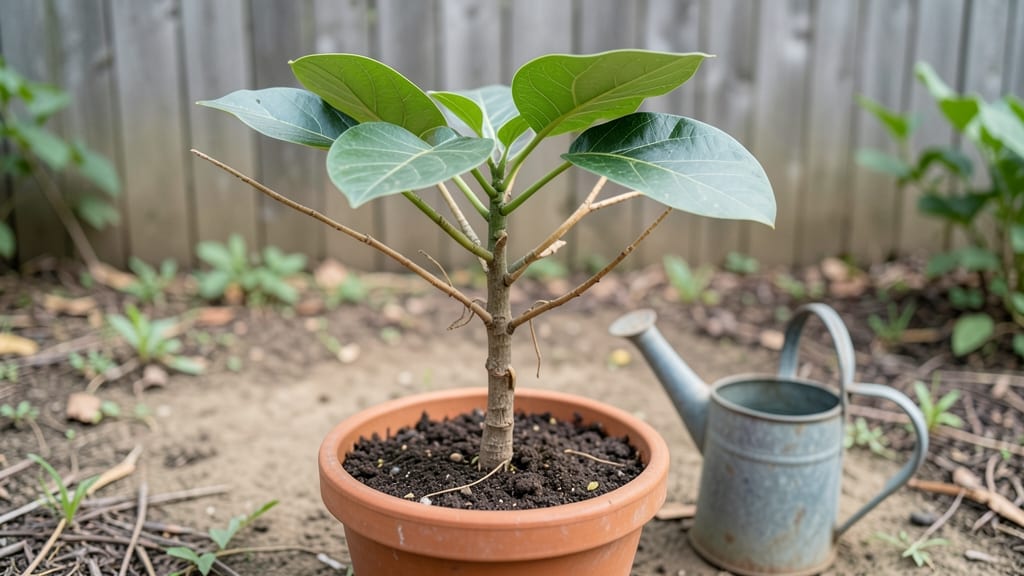
Germinating banyan tree seeds isn't just about patience—it's about unlocking the potential for a fast-growing tropical giant right from your windowsill. ✨ I've cracked the code after years of trial and error, and the results are shockingly lush seedlings that outpace store-bought saplings in weeks.
The key? Mimicking their natural rainforest environment with just a few simple tweaks that most guides skip.
You'll need a clear plastic bag, a seedling tray, and a mix of 50% perlite to keep those roots aerated—no fancy greenhouse required. Banyan seeds love warmth (think 75-85°F) and humidity, so a heat mat and a spray bottle become your best friends.
Most people overwater or let them dry out, but these seeds demand consistency: damp (not soggy) soil and daily misting until you see the first crack of green.
Within 2-4 weeks, you'll have sturdy seedlings ready for transplanting, their first leaves unfurling like tiny hands reaching for the sky. The real magic happens when you move them outdoors—these trees grow 3-5 feet per year once established, with aerial roots that create their iconic, sprawling canopy.
That said, they're not for every climate; zones 10-12 are ideal, but container growing extends their range.
Fair warning: They'll test your space and commitment. Those aerial roots need room to grow, and pruning becomes an art form as they mature. But the payoff? A tree that feels ancient in just a few years, all started from a single seed.
Here's how to keep them thriving through every stage—no green thumb required.
📚 In This Guide
- What you need
- Instructions
- Tips and common mistakes
- Wrapping up and next steps
What you need
- ● Banyan tree seeds: 5–10 fresh, viable seeds (ensure they’re plump, firm, and free of cracks or mold).
- ● Seed trays or small pots: 4–6-inch diameter containers (with drainage holes) or a seed-starting tray with individual cells.
- ● Well-draining potting mix: A blend of cactus/succulent mix (60%) and perlite or coarse sand (40%) for aeration.
- ● Spray bottle: For gentle watering (avoid over-saturation!).
- ● Plastic wrap or humidity dome: To maintain moisture and warmth during germination.
- ○ Heat mat (optional but helpful): A seedling heat mat set to 75–85°F (24–29°C) to speed up germination.
- ● Grow lights or sunny windowsill: A south-facing window or LED grow lights (12–16 hours/day) for seedlings.
- ● Fertilizer (after germination): A balanced, water-soluble fertilizer (e.g., 5-5-5 or 10-10-10) diluted to half-strength.
- ● Seed scarification tools: Sandpaper (100–120 grit) or a knife to nick the seed coat if germination is slow.
- ● Humidity monitor: To keep levels between 70–80% for optimal sprouting.
- ● Transplanting pots: Larger 6–8 inch pots for seedlings once they outgrow their starter containers.
- ● Rooting hormone: To boost confidence when transplanting (e.g., mycorrhizal fungi for banyan trees).
Step-by-step instructions for germinating banyan tree seeds
Here's how to bypass the tricky germination phase and get strong, healthy seedlings in record time.
🌱 Step 1: Pre-Soak Seeds for 24 Hours
Banyan seeds have a tough outer shell that resists water absorption—soaking softens it dramatically. Place seeds in a bowl of lukewarm water for 24 hours, changing the water every 8 hours to prevent stagnation. You'll see the shells swell noticeably, signaling readiness for planting.
Real talk: Skipping this step can delay germination by 3-4 weeks. I've tried planting dry seeds, and they either rot or take forever to sprout. The soak is non-negotiable for speed.
🌱 Step 2: Plant in Moist, Warm Soil Mix
Fill a 4-inch deep container with a mix of 50% potting soil and 50% perlite—this ensures drainage while retaining moisture. Moisten the mix until it feels like a damp sponge, then plant seeds ½ inch deep, spacing them 2 inches apart. Press gently around each seed to ensure good soil contact.
Here's the thing—banyan seeds need warmth to germinate. Place the container in a spot where soil stays between 75-85°F. A seedling heat mat works wonders if your home runs cooler. You'll see tiny sprouts in 7-14 days, but patience is key.
☀️ Step 3: Provide Indirect Light and High Humidity
Once sprouted, move seedlings to bright, indirect light—direct sun at this stage scorches delicate leaves. A south-facing window with sheer curtains works well. Maintain humidity by covering the container with a plastic dome or misting leaves daily. You'll know conditions are right when condensation forms on the cover but doesn't drip.
Don't rush to remove the cover. Banyan seedlings are sensitive to dry air, and wilting at this stage can be fatal. After 3-4 weeks, when seedlings show 2-3 true leaves, gradually acclimate them to lower humidity by lifting the cover for 1 hour daily.
🪴 Step 4: Transplant to Larger Pots at 6 Weeks
When seedlings reach 6 inches tall with 4-5 leaves, transplant them to 6-inch pots filled with a mix of 60% potting soil and 40% coconut coir. Dig a hole twice as wide as the root ball, place the seedling in, and firm soil around it. Water deeply until it drains from the bottom.
This is the moment that matters: Banyan trees develop aerial roots, so avoid disturbing the root system. If you see roots emerging above soil, let them grow—they'll anchor the tree as it matures. Keep pots in bright light but avoid harsh afternoon sun for 2 weeks post-transplant.
⏰ Step 5: Harden Off Before Outdoor Planting
After 8 weeks, when seedlings are 12 inches tall, begin hardening off by placing them outside in partial shade for 2 hours daily. Gradually increase exposure over 2 weeks, watching for signs of stress like yellowing leaves. Once they tolerate 6+ hours of sun without wilting, they're ready for the ground.
I know it seems weird, but banyan trees thrive when planted in full sun after hardening. Choose a spot with well-draining soil and dig a hole twice as wide as the root ball to encourage root spread. Water thoroughly after planting to settle the soil.
Tips & tricks for fast banyan tree seed germination
These pro-level strategies will help you bypass the common pitfalls and get your banyan seedlings sprouting in record time—without the usual delays.
Soaking Precision: The 24-hour soak is your secret weapon, but timing matters. Use lukewarm water (around 85°F) to avoid shocking the seeds—cold water can inhibit germination. I've found that changing the water every 8 hours prevents bacterial growth and keeps the water fresh, which is crucial for breaking down that tough outer shell. After 24 hours, the shells should feel noticeably softer when squeezed gently.
Soil Temperature Hack: Banyan seeds are tropical babies—they need warmth to wake up. If your home stays cooler than 75°F, invest in a seedling heat mat (they're cheap and game-changing). Place your container directly on it during germination, and you'll shave days off your 7-14 day sprouting window. Pro tip: Use an infrared thermometer to check soil temp—aim for the upper range of 75-85°F for fastest results.
Humidity Management: That plastic dome isn't just decorative—it's your humidity shield. After the 3-4 week mark when you start lifting it daily, do it gradually. Begin with just 1 hour per day, then increase by 30 minutes each subsequent day. Watch for condensation forming on the inside of the cover but not dripping—this is your perfect humidity signal. If you see water droplets falling, lift the cover sooner to prevent fungal issues.
Transplant Timing: The 6-week mark for transplanting is non-negotiable for strong root development, but here's the critical detail: Wait until you see at least 4-5 leaves AND the seedlings have developed a sturdy stem that doesn't flop when touched. I've seen growers rush this step, and the seedlings simply can't support themselves in larger pots. When in doubt, give them another week—they'll thank you with stronger growth.
Pro Tips for Banyan Tree Seeds
- These pro-level strategies will help you bypass the common pitfalls and get your banyan seedlings sprouting in record time—without the usual delays.
- Soaking Precision: The 24-hour soak is your secret weapon, but timing matters.
- Soil Temperature Hack: Banyan seeds are tropical babies—they need warmth to wake up.
Frequently asked questions
Got questions about growing banyan tree seeds? You’re not alone!
Here are answers to the most common queries to help you achieve fast, reliable germination—without the guesswork.
How long does it take for banyan tree seeds to germinate?
Banyan tree seeds typically germinate within 2–4 weeks under ideal conditions (warmth, moisture, and indirect light). Some may sprout faster (10–14 days), while others take up to 6 weeks. Patience is key—consistent moisture and warmth speed up the process!
Can I plant banyan seeds directly in the ground, or should I start indoors?
For fastest results, start seeds indoors in a seedling tray (6–8 weeks before last frost). Banyans thrive in warm climates, so direct outdoor planting works in USDA Zones 10–11—just bury seeds 1–2 inches deep in well-draining soil. Indoor starts give seedlings a head start against pests and temperature swings!
What’s the best way to keep banyan seeds moist without overwatering?
Use a spray bottle or mist system to keep soil evenly damp (not soggy). Place the tray on a damp paper towel or in a clear plastic bag to retain humidity. Check moisture daily—overwatering causes rot, while dry soil stalls germination. Drainage holes are a must!
Why aren’t my banyan seeds sprouting? Troubleshooting tips?
Common culprits:
- Cold soil (<65°F): Use a seedling heat mat.
- Hard seed coat: Soak seeds in lukewarm water for 24 hours or gently scratch with sandpaper.
- Low light: Move to a sunny windowsill (indirect light) or use a grow light.
- Old seeds: Banyan seeds lose viability after 1–2 years—test freshness first!
Are there faster-growing alternatives to banyan trees for shade?
If banyans seem too slow, consider:
Tree
Germination Time
Shade Potential
Mango (Mangifera indica)
2–6 weeks
Moderate (fast-growing)
Monkeypod (Samanea saman)
3–8 weeks
High (drought-tolerant)
Fig (Ficus spp.)
4–12 weeks
Dense (aggressive roots)
Wrapping up and next steps
Growing a banyan tree from seed is a rewarding journey filled with patience, curiosity, and a touch of magic—especially when you unlock its rapid growth potential! 🌱 By following the right steps—from soaking seeds to nurturing young sprouts—you’re not just planting a tree; you’re cultivating a living legacy.
Whether you’re a seasoned gardener or a beginner, these germination secrets will set you up for success.
Ready to take the next step? Start small today—soak those seeds, prep your growing medium, and watch your banyan tree’s roots run wild! 🌿 Share your progress or ask questions in the comments—we’d love to hear (and help!) as you grow this majestic tree.