Pruning
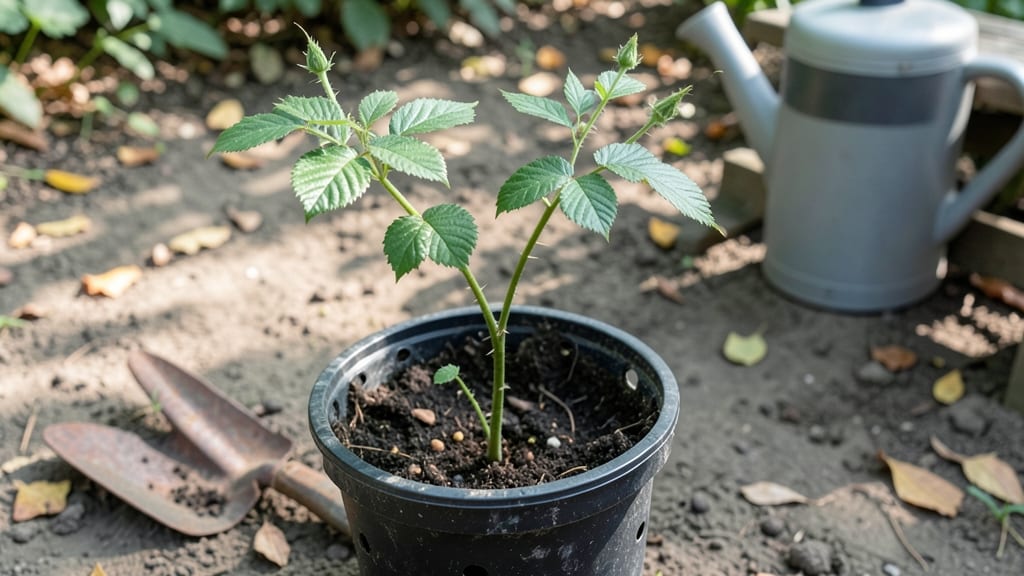
Starting with a raspberry bush seedling could mean double the harvest next summer if you prune right from day one. 🌱 I learned this the hard way—my first attempt left me with skinny canes and puny berries, but now my bushes produce so heavily I share jars with neighbors.
The secret isn't complicated: it's about shaping growth in the first year so the plant focuses energy where it counts.
You'll need sharp pruners, a sunny spot with at least 6 hours of direct light, and well-draining soil mixed with compost. Space seedlings 2-3 feet apart—crowding leads to weak canes and disease. Water deeply twice a week once established, but avoid soggy roots.
The first year is all about establishing roots, so resist the urge to prune heavily. Instead, focus on removing any dead or crossing branches as you go.
By next spring, you'll see thick, sturdy canes ready for their first serious pruning. These will produce your heaviest harvests in summer, while the new growth from the base becomes next year's crop.
The key is patience—what looks like overgrowth now will turn into a bush so productive you'll wonder why you didn't start sooner. Once you master this rhythm, your raspberries will keep coming year after year.
This method works for both summer-bearing and fall-bearing varieties, though timing shifts slightly. Summer types fruit on second-year canes, while fall types produce on current season's growth. Either way, the early pruning sets you up for consistent, bountiful harvests with minimal fuss. Let's get those canes growing strong!
📚 In This Guide
- What you need
- Instructions
- Tips and common mistakes
- Wrapping up and next steps
What you need
- ● Raspberry bush seedlings (1-3, depending on space and variety—everbearing or summer-bearing).
- ● Pruning shears (sharp, bypass-type, 6-8 inches long for clean cuts).
- ● Gloves (gardening or heavy-duty to protect from thorns).
- ● Disinfectant (70% isopropyl alcohol or bleach solution to sterilize tools between cuts).
- ● Compost or mulch (2-3 inches for soil enrichment post-pruning).
- ○ Stakes or trellis system (optional but helpful for support, especially for tall varieties).
- ● Loppers (for thicker canes, 10-12 inches long).
- ● Pruning saw (if dealing with very thick, woody canes).
- ● Garden hose or watering can (to keep plants hydrated post-pruning).
- ● Fertilizer (balanced 10-10-10 or organic options like compost tea).
- ● Label markers (to track varieties or pruning dates).
- ● Wheelbarrow or bucket (for collecting pruned canes and debris).
- ● A sunny location (6-10 hours of sunlight daily).
- ● Well-draining, slightly acidic soil (pH 5.5-6.5).
- ● Space between plants (2-3 feet apart for summer-bearing, 1.5-2 feet for everbearing varieties).
- ● Access to water (drip irrigation or consistent watering schedule).
Step-by-Step pruning guide for raspberry bush seedlings
Transform a leggy raspberry seedling into a productive, bushy plant with these simple pruning steps.
✂️ Step 1: Identify and Remove Weak Growth
Start by examining your raspberry seedling for thin, spindly canes—these are the first to go. Healthy canes have a pencil-thick diameter and grow upright. Pinch off any shoots growing at the base that aren’t part of the main stem, as these will compete for energy. Use clean, sharp pruners to make cuts at a 45-degree angle just above a leaf node.
Real talk: If your seedling has more than 3-4 main canes, thin it down to the strongest two or three. Overcrowding stresses the plant and reduces fruit production. I like to prune on a dry morning so the cuts heal faster and disease risk drops.
✂️ Step 2: Prune for Airflow and Light Penetration
Next, focus on opening up the center of the plant. Raspberry canes grow in a clump, and dense growth traps moisture, inviting fungal diseases. Cut back any crossing or rubbing canes—these are the ones touching each other. Aim to leave 6-8 inches of space between canes to improve airflow.
Here’s the thing—you don’t need to remove entire canes at this stage. Just trim back the top 1/3 of the plant to encourage branching. This creates a bushier shape right away. Watch for new side shoots emerging within 2-3 weeks—that’s your signal the plant is responding well.
☀️ Step 3: Encourage Bushier Growth with Strategic Cuts
Look for the strongest, most upright canes and make a cut just above a leaf node that’s 1-2 inches below a lateral bud. This forces the plant to send out new growth from that spot, creating a fuller bush. Avoid cutting into old wood—raspberries produce new canes from the base each year, so focus on the current season’s growth.
If your seedling is still small (under 2 feet tall), you can be more aggressive with pruning. Cut back the tips of the main canes by half their length. This might seem drastic, but it triggers the plant to branch out. Just don’t prune more than 1/3 of the plant at once—raspberries are resilient, but they won’t bounce back from severe cuts.
⏰ Step 4: Time Your Pruning for Maximum Benefit
Prune raspberry seedlings in early spring, right after the last frost but before new growth starts. This gives the plant 6-8 weeks to recover before summer heat sets in. Avoid pruning in fall or winter, as cold stress combined with fresh cuts can invite disease.
You’ll know you’ve pruned at the right time when you see fresh, vibrant green leaves emerging within 10-14 days. If your plant looks shocked—yellowing leaves or wilting—you’ve pruned too late or too aggressively. Don’t panic; raspberries are tough and will bounce back, but next time, prune a little earlier in the season.
🌿 Step 5: Maintain Through the Growing Season
Once your raspberry bush is established, keep an eye on it throughout the year. In late summer, after harvest, remove any dead or diseased canes completely. This clears space for next year’s new growth. Also, trim back any canes that produced fruit—these are called "primocanes" and should be cut to the ground after they’ve fruited.
I always leave 2-3 of the strongest new canes each year to fruit the following season. These are the "floricanes," and they’ll produce your biggest harvest. The rest can be pruned back to encourage even more new growth. Think of it like shaping a small tree—you’re training the plant to grow in a way that maximizes fruit production.
Tips & tricks for pruning raspberry bush seedlings
These simple tricks will help you transform a leggy raspberry seedling into a thriving, productive bush that yields bigger harvests every year.
The Canes Count: In Step 1, when you're thinning to the strongest 2-3 canes, focus on keeping those with the thickest diameter—aim for about the thickness of a pencil. Thin canes won't support much fruit and will just compete with the stronger ones for nutrients. I've learned the hard way that keeping too many canes leads to smaller berries and fewer overall fruits.
Pruning Angle Matters: That 45-degree angle in Step 1 isn't just for looks—it helps water run off the cut and prevents disease from settling in the wound. Always make clean cuts just above a leaf node, and use sharp pruners to avoid crushing the cane. Dull pruners can damage the plant tissue, making it more susceptible to infections.
Timing is Everything: The 6-8 week recovery window in Step 4 is crucial for your raspberry bush to establish new growth before summer heat arrives. If you prune too late, the plant may struggle to recover before the heat stress begins. I check my local frost dates and mark my calendar to prune right after the last frost—usually in mid-April where I live.
Visual Growth Signals: Those fresh green leaves emerging within 10-14 days after pruning (from Step 4) are your best indicator that everything went well. If you don't see new growth by day 14, your pruning might have been too aggressive or too late in the season. Don't worry—raspberries are tough, but you might need to adjust your timing next year.
Pro Tips for Raspberry Bush Seedling
- These simple tricks will help you transform a leggy raspberry seedling into a thriving, productive bush that yields b...
- The Canes Count: In Step 1, when you're thinning to the strongest 2-3 canes, focus on keeping those with the thickest...
- Pruning Angle Matters: That 45-degree angle in Step 1 isn't just for looks—it helps water run off the cut and prevent...
Frequently asked questions
Got questions about growing raspberry bush seedlings? You’re not alone! Here are some of the most common concerns—plus quick, actionable answers to keep your plants thriving.
How long does it take for a raspberry bush seedling to bear fruit?
A raspberry bush seedling typically takes 1–2 years to produce fruit, depending on the variety and growing conditions. Primocane-bearing types (like ‘Heritage’ or ‘Autumn Britten’) may fruit in the first year, while floricane types (like ‘Boyne’ or ‘Dorman Red’) usually wait until the second spring. Patience pays off—healthy pruning now ensures bigger harvests later!
When is the best time to prune raspberry seedlings for bushier growth?
Prune raspberry seedlings in late winter or early spring (before new growth starts) to encourage bushiness. Remove dead, diseased, or weak canes first, then thin crowded stems to 6–8 strong canes per plant. For summer-bearing varieties, also prune immediately after harvest to redirect energy to next year’s fruit. Pro tip: Wear gloves—raspberry thorns are no joke!
Can I grow raspberries from seed, or should I buy seedlings?
While you can grow raspberries from seed, seedlings may not match the parent plant’s traits (e.g., flavor, disease resistance, or fruit color). For reliable results, buy certified disease-free seedlings from nurseries. Seeds are great for experimenting, but expect variability. If starting from seed, expect a 3–5 year wait for fruit!
Why are my raspberry seedlings’ leaves turning yellow or curling?
Yellowing or curling leaves often signal pests (aphids, spider mites) or diseases (rust, powdery mildew). Check the undersides of leaves for tiny bugs or white powder. Treat with neem oil or insecticidal soap for pests, and remove infected canes immediately. Overwatering or nutrient deficiencies (like nitrogen) can also cause yellowing—amend soil with compost and ensure good drainage.
Do raspberry bushes need full sun, or can they grow in partial shade?
Raspberries thrive in 6–10 hours of sunlight daily, but they can tolerate partial shade (4–6 hours), especially in hot climates. Too much shade reduces fruit quality and yield. If growing in shade, choose shade-tolerant varieties like ‘Nova’ or ‘Heritage’ and ensure well-draining soil. Mulch with straw to retain moisture and regulate soil temperature.
How often should I fertilize raspberry seedlings?
Fertilize raspberry seedlings once in early spring (before growth resumes) with a balanced 10-10-10 or 12-12-17 fertilizer. Avoid over-fertilizing—too much nitrogen leads to leafy growth at the expense of fruit. For established bushes, apply a low-nitrogen, high-potassium fertilizer (like 5-10-10) after harvest to boost next year’s crop. Always water deeply after fertilizing!
Wrapping up and next steps
Growing a thriving raspberry bush starts with the right pruning techniques—now you’re equipped to shape your seedlings for bushier, more productive harvests all year long! 🌱 By mastering the art of selective pruning, you’ll encourage stronger canes, better airflow, and a bountiful yield.
Whether you’re a beginner or a seasoned gardener, consistency is key—so grab those shears and get ready to transform your raspberry patch!
Ready to take the next step? Start small:
- Pick one cane to prune this season and observe the changes.
- Track your progress with notes or photos to refine your technique.
- Share your raspberry-growing wins with fellow gardeners—community tips make the journey even sweeter! 🍓