
Trees
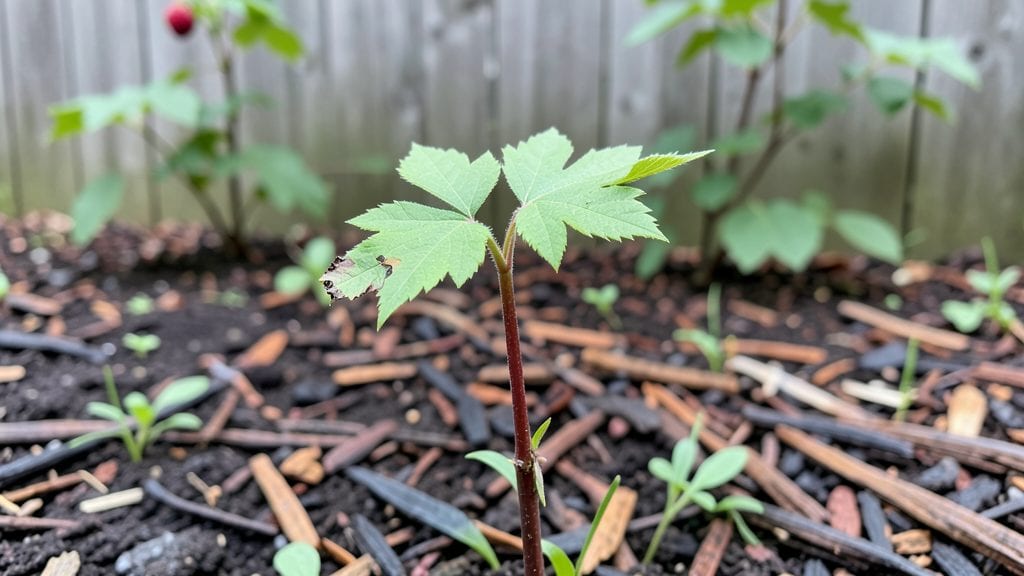
Growing a sugar maple seedling from scratch lets you nurture a tree that'll stand for centuries—if you get the early years right. 🌱 I've watched my own saplings struggle through rocky soil and drought before learning the simple adjustments that make all the difference.
The key isn't just planting; it's creating conditions where those delicate roots can spread deep and strong.
You'll need a spot with partial shade (they tolerate full shade better than sunburn), well-draining soil mixed with compost, and patience—these trees grow slow but steady.
Most beginners overwater or prune too much, but with the right balance, your seedling will establish itself within 2-3 years and start looking like the mighty forest giants you know from syrup season. The first few years are about building roots, not height.
By year five, you'll see that classic sugar maple shape emerging—broad canopy, sturdy trunk, and leaves that turn fiery red in fall. The real magic happens when you step back and realize you're growing something that'll outlive you, providing shade, wildlife habitat, and maybe even maple syrup someday.
The hardest part? Waiting through those early years when growth feels painfully slow.
This works whether you're planting in a backyard, along a forest edge, or even in a large container for urban spaces. The same principles apply—just adjust spacing and soil depth. Let's get your seedling off to the right start so it can reach its full potential.
📚 In This Guide
- What you need
- Instructions
- Tips and common mistakes
- Wrapping up and next steps
What you need
- ● Sugar maple seedlings: 1–5 (depending on spacing; 3–4 feet apart for mature growth)
- ● Well-draining soil: Mix of topsoil (50%), compost (30%), and perlite/sand (20%) for optimal aeration
- ● Growing containers or nursery pots: 1–3 gallon pots with drainage holes (or a seedling tray)
- ● Organic mulch: 2–3 inches of wood chips or shredded bark (to retain moisture and suppress weeds)
- ● Watering can or hose with a gentle spray nozzle: For consistent moisture without disturbing roots
- ○ Fertilizer (optional but recommended): Balanced 10-10-10 or slow-release organic fertilizer (e.g., fish emulsion or compost tea)
- ● Dosage: ½ teaspoon per gallon of soil at planting
- ● Garden trowel or transplanting spade: For digging holes (6–8 inches deep and wide)
- ● Gloves: Heavy-duty gardening gloves (to protect from thorns and soil)
- ○ pH testing kit (optional): Ideal soil pH for sugar maples: slightly acidic to neutral (6.0–7.0)
- ● Pruning shears: For trimming damaged or crossing branches (sterilized with rubbing alcohol)
- ○ Shade cloth (optional): 30–50% coverage for young seedlings in hot climates
- ● Sunlight: Partial shade to full sun (6+ hours/day for mature trees; seedlings tolerate shade)
- ● Climate zone: USDA Hardiness Zones 3–8 (sugar maples thrive in cold winters and warm summers)
- ● Water source: Reliable access for deep watering (1–2 inches per week, more in drought)
- ● Patience: Sugar maples grow slowly—expect 12–24 inches of height gain per year
Step-by-step instructions for growing a sugar maple seedling
Here's how to nurture a sugar maple from seedling to a sturdy, shade-loving addition to your landscape.
🌱 Step 1: Plant the Seedling at the Right Time and Depth
Sugar maple seedlings thrive when planted in early spring, just as new growth begins. Choose a location with partial shade—this tree tolerates low light but grows best with filtered sunlight. Dig a hole twice as wide as the root ball but only as deep as the container it came in. This prevents burying the trunk too deeply, which can cause rot.
Place the seedling in the hole so the top of the root ball sits level with the surrounding soil. Gently press the native soil back into the hole, firming it lightly with your hands. Avoid compacting it too much—you want roots to spread easily. Water immediately after planting to settle the soil around the roots.
💧 Step 2: Water Deeply and Maintain Moisture
For the first two weeks, water the seedling every other day to keep the soil consistently moist but not soggy. Sugar maples are drought-tolerant once established, but young seedlings need steady moisture to develop strong roots. You'll know it's right when the top 2 inches of soil feel damp to the touch.
After the initial two weeks, reduce watering to once a week unless rainfall is insufficient. Overwatering is just as harmful as underwatering—you want the soil to dry out slightly between waterings. Mulch around the base with 2-3 inches of organic mulch (like wood chips) to retain moisture and suppress weeds, but keep it 6 inches away from the trunk to prevent rot.
☀️ Step 3: Provide Light and Protection
Sugar maples grow well in partial shade, but young seedlings benefit from dappled sunlight to encourage strong growth. If planting in a fully shaded area, ensure the spot gets at least 3-4 hours of indirect light daily. Avoid harsh afternoon sun, which can scorch tender leaves.
Protect the seedling from strong winds, especially in its first year. Young trees are vulnerable to damage, and their shallow roots can't anchor them well. If your area gets frequent gusts, consider temporarily staking the seedling with two supports tied loosely to the trunk to prevent bending. Remove the stakes once the tree is sturdy enough to stand on its own.
✂️ Step 4: Prune and Monitor for Health
Pruning isn’t necessary in the first year, but remove any dead, broken, or crossing branches as you spot them. Use clean, sharp pruners to make cuts just above a bud or branch collar. Avoid heavy pruning—you only want to shape the tree lightly and encourage a strong structure.
Watch for signs of stress, like yellowing leaves or wilting. These can signal overwatering, underwatering, or pest issues. Sugar maples are generally pest-resistant, but aphids or spider mites may appear. If you see them, spray the leaves with water to dislodge them or use an organic insecticidal soap if needed. Healthy seedlings should show vibrant green leaves and steady growth by the end of their first season.
⏰ Step 5: Prepare for Long-Term Growth
By the second year, your sugar maple seedling will need less frequent watering—every 10-14 days unless the soil is extremely dry. Continue mulching annually to protect the roots and improve soil quality. Sugar maples grow 1-2 feet per year under ideal conditions, so expect slow but steady progress.
In years 3-5, you can start fertilizing lightly in early spring with a balanced, slow-release fertilizer (like 10-10-10) to support growth. Apply it 6 inches away from the trunk and water it in well. Avoid heavy fertilization, as sugar maples prefer nutrient-rich but not overly fertile soil. With patience, your seedling will mature into a hardy, shade-tolerant tree that adds beauty and value to your landscape for decades.
Tips & tricks for growing a healthy sugar maple seedling
Growing a sugar maple seedling into a thriving tree takes patience, but these insights will help you avoid common pitfalls and give your young tree the best start possible.
Timing is Everything: Planting in early spring is ideal because it gives your seedling time to establish roots before summer heat. If you must plant later in the season, aim for at least 6-8 weeks before your area's first frost date. I've seen seedlings planted too late in the year struggle to root properly, so timing really matters. The key is giving the tree enough time to develop a strong root system before winter dormancy.
Soil Preparation Matters: Before planting, loosen the soil in your hole to about 12 inches deep. This helps roots penetrate easily without resistance. I like to add a small amount of compost to the native soil when backfilling—just mix it in lightly. The goal is to improve drainage without altering the soil's natural composition too much. Sugar maples prefer well-draining soil, so avoid heavy clay areas that can cause waterlogging.
Watering Wisdom: During those first two weeks when you're watering every other day, check the soil moisture by sticking your finger about 2 inches deep. If it feels dry at that depth, it's time to water. I've learned the hard way that soggy soil can suffocate roots just as much as dry soil. After the initial two weeks, let the soil dry out slightly between waterings—this encourages deeper root growth. A good rule of thumb is to water when the top inch of soil feels dry to the touch.
Wind Protection Strategy: If your planting location gets frequent winds, don't wait until you see damage to stake your seedling. Install two supports as soon as you plant, tying them loosely to the trunk with soft material like old t-shirts or tree ties. The stakes should be just tall enough to prevent bending but not so tall that they encourage weak growth. I've seen seedlings snap completely when winds hit unexpectedly, so better to be safe than sorry during that vulnerable first year.
Pro Tips for Sugar Maple Seedling
- Growing a sugar maple seedling into a thriving tree takes patience, but these insights will help you avoid common pitfalls and give your young tree the best start possible.
- Timing is Everything: Planting in early spring is ideal because it gives your seedling time to establish roots before summer heat.
- Soil Preparation Matters: Before planting, loosen the soil in your hole to about 12 inches deep.
Frequently asked questions
Got questions about growing sugar maple seedlings? You’re not alone! Here are some of the most common queries—and their answers—to help you get started on the right foot.
How long does it take for a sugar maple seedling to mature?
A sugar maple seedling can take 15–20 years to reach maturity (around 30–50 feet tall) in ideal conditions. However, growth rates vary based on soil quality, sunlight, and care. Patience is key—these trees are built for the long haul!
When is the best time to plant a sugar maple seedling?
The ideal time to plant is in early spring (before bud break) or fall (4–6 weeks before the first frost). Avoid planting in extreme heat or drought. Young seedlings need time to establish roots before winter or summer stress sets in.
Can sugar maple seedlings grow in full shade?
Yes! Sugar maples are shade-tolerant but grow best with partial shade to full sun. In dense shade, they’ll grow slower but can still thrive over time. If planting under trees, choose a spot with dappled sunlight for healthier growth.
What are common problems with sugar maple seedlings, and how do I fix them?
Watch for leaf scorch (underwatering), fungal diseases (like anthracnose), and deer browsing. Solutions:
- Water deeply 1–2 times per week (avoid soggy soil).
- Apply copper fungicide if spots appear.
- Use tree guards or repellents for deer.
Are there cheaper alternatives to buying sugar maple seedlings?
Yes! Collect seeds from mature trees (wings must be dry and brown) and sow them in fall. Stratify seeds (cold treatment) for 60–90 days to mimic winter. Alternatively, graft saplings from a trusted source for faster, disease-resistant growth.
Wrapping up and next steps
Growing a sugar maple seedling is a rewarding journey that connects you to nature’s timeless beauty—whether you’re planting for future syrup harvests or simply enhancing your landscape.
With patience, the right conditions, and a little care, these hardy trees will thrive for decades, offering shade, wildlife support, and stunning fall foliage. 🌳✨
Ready to take the next step? Start by sourcing a healthy seedling from a trusted nursery, then mark your planting spot with care. Whether you’re a seasoned gardener or a beginner, every small effort today shapes a lush, sustainable future. Happy planting!