Lawn
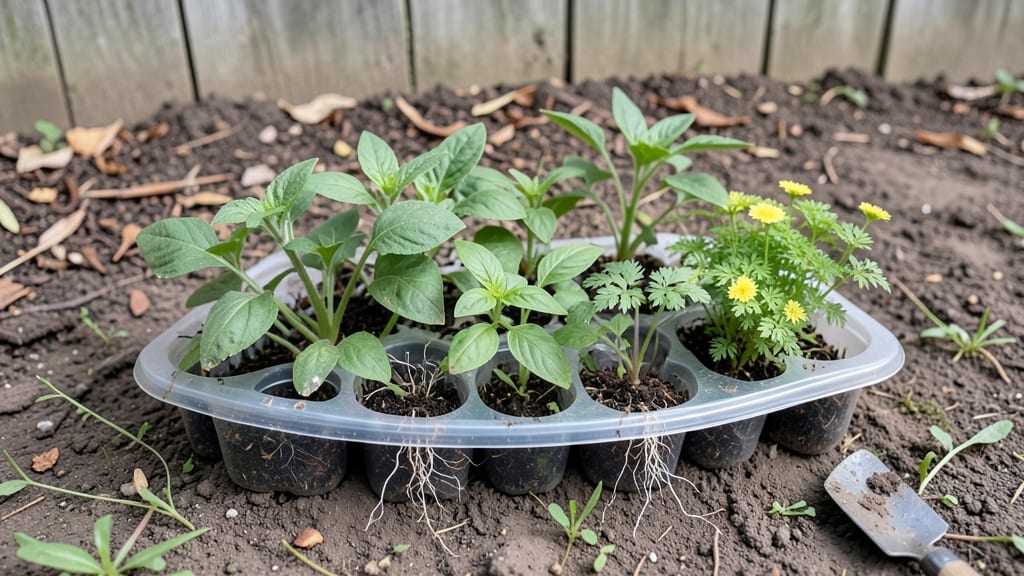
Weather for seed planting determines success by aligning frost dates, soil warmth, and moisture—cool-season crops like spinach and peas thrive in 40–75°F ranges, while tomatoes and peppers need 60–90°F soil. Always verify your USDA zone and local forecasts to prevent frost damage or drought stress during germination.
Timing your seeds to the weather isn't just about avoiding frost—it's about giving them the perfect growing window. 🌱 For example, in Zone 5, early spring planting might fail if soil stays too cold, while late summer sowings could get nipped by fall frosts.
I’ve learned to use a soil thermometer to confirm warmth before planting warm-season crops, since air temperature often doesn’t match soil conditions. Even a few degrees difference can mean the difference between strong germination and wasted seeds.
Beyond zones, microclimates play a huge role—urban areas often stay 5–10°F warmer than rural spots, extending planting seasons. That’s why I always check both my zone and local weather trends before committing to a planting schedule.
A sudden cold snap can turn a promising garden into a sad memory, so planning ahead with frost-free date calculators saves headaches later.
💡 In This Article
- How Climate Zones Affect Seed Germination Timing
- Practical Weather Tools for Gardeners
How climate zones affect seed germination timing
USDA hardiness zones map out average minimum winter temperatures, but they also indirectly shape planting windows by determining frost-free periods. For instance, Zone 3 (like Minnesota) has a 90-120 day frost-free season, while Zone 10 (Southern California) enjoys 300+ days.
This means cool-season crops like kale can be planted in early spring or fall in Zone 3, but warm-season tomatoes must go in ground by mid-March to avoid frost damage. The key difference?
Latitude affects daylight exposure—northern zones get only 14 hours of daylight in summer, while southern zones enjoy 14+ hours, accelerating growth.
Soil temperature matters more than air temperature because seeds need consistent warmth to germinate.
In the Pacific Northwest (Zone 7-8), soil may stay 45°F or cooler even when air hits 60°F—this is why pea seeds (ideal at 40°F) thrive in early spring while cucumbers (needing 70°F) must wait until late May.
Meanwhile, in the Deep South (Zone 9-10), warm-season crops like okra can be planted in February because soil warms quickly under longer sunlight. The rule of thumb? Wait until soil reaches 5°F above the seed's minimum temperature for reliable germination.
Microclimates create local exceptions—urban areas often stay 5–10°F warmer than rural zones due to concrete and pavement retaining heat. This "urban heat island" effect can extend planting seasons by 2–4 weeks in cities like Chicago (Zone 5) compared to surrounding farmland.
Conversely, coastal areas may experience cooler, foggy mornings that delay planting even in warm zones. For example, San Francisco (Zone 9) sometimes needs to wait until late April for soil to reach 60°F, while inland Sacramento (also Zone 9) can plant 3 weeks earlier.
Daylight length also influences germination timing. Cool-season crops like broccoli grow best with 12–14 hours of daylight, while warm-season crops like basil prefer 14+ hours.
In Alaska (Zone 3), gardeners often use grow lights to supplement short summer days, while Florida gardeners (Zone 8-10) can plant year-round with minimal adjustments. The science? Plants convert sunlight to energy via photosynthesis—longer days mean faster growth, but too much heat without adequate moisture can stress seedlings.
That’s why I always check both daylight hours and soil moisture before planting.
Regional examples highlight these differences:
- Pacific Northwest (Zone 7-8): Plant cool-season crops in early March when soil hits 45°F, but delay warm-season crops until mid-May to avoid frost.
- Deep South (Zone 9-10): Warm-season crops like peppers can go in January if soil is 65°F+, but may need afternoon shade to prevent wilting.
- Mountain Regions (Zone 4-6): Frost can linger until June, so gardeners often start seeds indoors 8–10 weeks before the last frost date.
What most gardeners overlook is how elevation affects timing—every 1,000 feet gain in altitude drops temperatures by 3–5°F. That’s why a Zone 7 valley might plant tomatoes in April, while a nearby Zone 6 mountain waits until May 15. Always check local frost records, not just your zone! 🌡️