
Trees
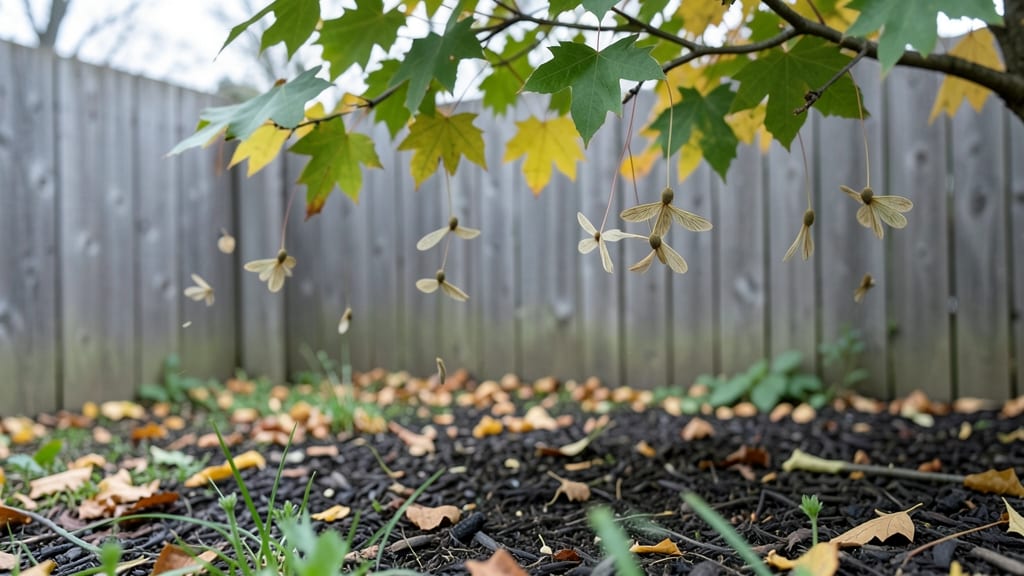
Maple seeds fall between late summer and early autumn 🌳, turning your yard into a whirlwind of twirling "helicopters" that signal the season's shift.
Watching them spiral to the ground is a classic sign of autumn—but the exact timing depends on the tree species and your climate. Get the precise schedule to know when to expect these iconic samaras in your backyard.
Sugar maples, for instance, typically release their seeds in September, while silver maples may start as early as August. Understanding these differences helps you plan for cleanup, wildlife activity, or even potential garden impacts.
Below, I’ll break down the timing by species, how climate affects the schedule, and how to spot the signs so you’re never caught off guard by a sudden seed shower.
Maple seed drop timeline by species: when to expect samaras
If you've ever watched those iconic maple samaras—the whirling "helicopters"—drift from the sky, you know they're a sure sign of autumn's arrival. But did you know different maple species release their seeds at very different times?
The timing depends on the tree type, your local climate, and even the temperature fluctuations in late summer. Understanding these patterns helps you anticipate cleanup, plan for wildlife, and even predict when those seeds will start popping up in your lawn.
The sugar maple, famous for its vibrant fall foliage, typically drops seeds 2-3 weeks before its leaves turn color. Meanwhile, silver maples often release seeds earlier in the season, sometimes as early as late July in warm climates.
These differences matter—whether you're trying to harvest seeds for propagation or just tired of raking up whirling helicopters all over your yard. Let’s break down the exact timeline for each species and how to spot the signs.
🌳
| Species | Typical Seed Drop Window | Leaf Color Change Timing | Key Temperature Trigger | Regional Variations |
|---|---|---|---|---|
| Sugar Maple (Acer saccharum) | Late September to mid-October | 2-3 weeks after seed drop | Nighttime temps drop below 50°F (10°C) | Northern U.S.: October Southern U.S.: Late September |
| Red Maple (Acer rubrum) | Mid-September to early October | Simultaneous with seed drop | Daytime temps consistently below 75°F (24°C) | Coastal areas: Early September Inland: October |
| Silver Maple (Acer saccharinum) | Late July to early September | 1-2 weeks before seed drop | Humidity drops below 60% | Warm climates: July-August Cool climates: September |
| Boxelder (Acer negundo) | Mid-August to late September | After seed drop (leaves turn brown) | First frost warning | Desert regions: August Northern areas: Late September |
Notice how the silver maple often starts its seed drop earlier than other species, sometimes as early as late July in warm climates like Texas or Florida. This is because silver maples are fast-growing and prioritize seed dispersal before the first cool snap.
In contrast, sugar maples hold onto their seeds longer, releasing them only when nighttime temperatures consistently drop below 50°F (10°C).
If you're in the Northeast, expect sugar maple seeds to start falling around mid-to-late September, often just as the first crisp mornings arrive. Meanwhile, in the Southeast, red maples might begin dropping seeds as early as late August, especially if summer temperatures stay consistently high.
Pay attention to leaf color changes—they’re a reliable indicator of when seeds will follow.
Temperature plays a huge role in shifting these timelines. For example, a hot, dry summer can cause silver maples to release seeds earlier, while a cool, wet summer might delay the process until October.
Even a single heatwave in early fall can trick some trees into dropping seeds prematurely. That’s why gardeners in microclimates—like urban areas with heat islands—often see seeds fall 1-2 weeks earlier than in surrounding rural areas.
Here’s a pro tip: If you’re trying to collect maple seeds for propagation, monitor the seed wings. When they’re fully brown and papery, that’s your cue that the seeds are ready to fall.
For boxelder maples, this often happens right before the first frost, so act fast
Climate factors that shift maple seed drop dates
Your backyard maple tree's seed drop timing isn't set in stone—it shifts dramatically based on latitude, elevation, and even your neighborhood's microclimate.
In the Southern U.S., sugar maples might start dropping seeds as early as late August, while New England trees often wait until mid-October. These variations create a 3-4 week window between regions, with frost timing playing a surprising role.
The temperature fluctuations in spring and summer directly influence when maple seeds mature. Trees in warmer climates like Texas or Florida experience prolonged growing seasons, allowing seeds to develop faster.
Meanwhile, cooler northern regions like Minnesota or Maine see delayed seed drops due to shorter growing periods. Even a 5°F difference can shift timing by 10-14 days.
Elevation adds another layer of complexity. Mountainous areas like the Appalachians or Rocky Mountains can see seed drops 2-3 weeks later than nearby valleys, thanks to cooler temperatures at higher altitudes.
A tree at 3,000 feet might drop seeds when valley trees at 1,000 feet have already finished. This creates stunning vertical timing gradients across landscapes.
Region
Avg. Seed Drop Window
Key Climate Factor
Frost Impact
Southern U.S. (TX, FL, GA)
Late August - Early September
Long growing season, high humidity
Minimal (rare early frost)
Mid-Atlantic (VA, NC, PA)
Mid-September - Early October
Moderate temps, variable rainfall
Moderate (possible early frost)
New England (ME, NH, VT)
Mid-October - Late October
Short growing season, cool summers
High (frequent early frost)
Mountainous Areas (Appalachians, Rockies)
Late September - Mid-November
High elevation, cooler temps
Very high (early snow possible)
Microclimates—those tiny pockets of urban heat islands or shady garden nooks—can also shift timing by 1-2 weeks. A maple tree growing near a paved driveway might drop seeds 10 days earlier than one in a wooded area, thanks to heat retention.
Even tree species interactions play a role: a sugar maple surrounded by oaks may drop seeds later due to shaded competition.
Frost timing is the final piece of the puzzle. Maple seeds need 2-3 weeks of warm, frost-free conditions to mature properly. In northern climates, an unexpected early frost can stall seed development, delaying drops until November.
Conversely, southern trees often finish before frost arrives, creating a cleaner, more predictable seed drop. This explains why Texas maples might drop seeds twice in a season if warm spells interrupt winter.
Understanding these factors helps you anticipate cleanup, protect wildlife (like squirrels that rely on these seeds), and even time garden projects.
If you notice your local maple seeds falling earlier than expected, check for unseasonably warm springs or urban heat effects