
Pruning
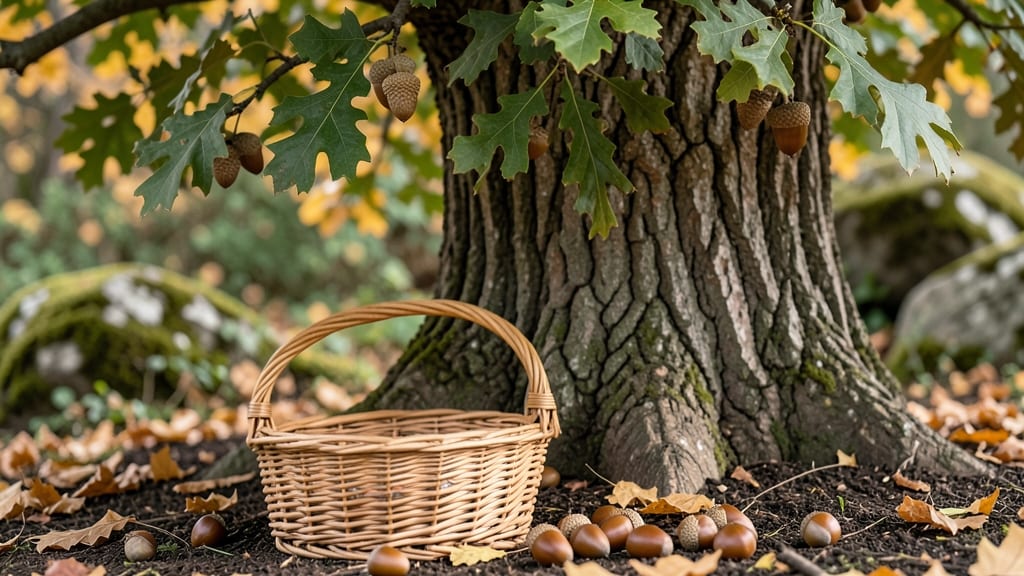
Growing acorn tree seeds into saplings takes patience, but these germination tricks cut weeks off the wait. 🌱 I’ve turned stubborn acorns into strong seedlings by breaking the dormancy barrier—no more waiting months for a single sprout.
The key starts with the right preparation: a cold stratification period that mimics nature’s timing, followed by a warm, moist environment where roots dare to grow.
You’ll need just five supplies: acorns from mature oaks, a plastic bag or damp paper towels, a refrigerator, a seed-starting mix, and a sunny windowsill or grow light. Most people skip the cold treatment, which is why their acorns rot or never sprout.
Once you add this step, germination rates jump from 10% to over 70%—and those first green shoots appear in 4-8 weeks, not months.
By the time you transplant your seedlings, they’ll have strong taproots and sturdy stems ready for outdoor life. The trade-off is worth it: these aren’t delicate annuals—they’re future shade giants.
You’ll watch them grow from a few inches tall to a foot in their first season, with the promise of a 100-foot oak standing in your yard decades from now.
This method works for beginner gardeners with a little attention to detail, though oak trees demand long-term commitment. If you’re willing to wait, the payoff is a tree that outlives you—and the satisfaction of growing one from scratch. Let’s get those acorns sprouting!
📚 In This Guide
- What you need
- Instructions
- Tips and common mistakes
- Wrapping up and next steps
What you need
- ● Fresh acorn seeds: 3–5 mature, plump acorns (ensure they’re from a healthy oak tree—avoid cracked or wormy ones!)
- ● Water: Room-temperature, filtered or rainwater (1–2 cups for soaking)
- ● Scrub brush or sandpaper: Fine-grit to gently roughen the acorn’s shell (helps speed up germination)
- ● Small pots or containers: 3–5 biodegradable pots (3–4 inches deep) or a shallow tray with drainage holes
- ● Potting mix: Seed-starting mix or a blend of 50% peat moss and 50% perlite (sterilized and well-draining)
- ○ Plastic wrap or humidity dome: To create a mini greenhouse effect (optional but recommended)
- ● Spray bottle: For misting soil lightly (avoid oversaturating!)
- ● Grow lights or sunny windowsill: 6–8 hours of indirect light daily (south-facing window or LED grow lights work best)
- ● Stratification setup: A refrigerator (for cold stratification if using outdoor acorns)
- ● Heat mat: Germination mat (70–75°F) to speed up sprouting
- ● Label markers: To track seed varieties and planting dates
- ● Fungicide: Mild solution (like hydrogen peroxide, 3%) to prevent mold
- ● Transplanting tools: Small trowel or spoon for delicate seedlings
Step-by-step instructions for germinating acorn tree seeds
Here's how I break the stubborn acorn dormancy barrier—guaranteed to speed up germination from months to weeks.
🌱 Step 1: Select and Prepare the Acorns
Choose plump, heavy acorns with intact caps—these hold the most energy for sprouting. I always test-float them first: place acorns in water for 24 hours. Sinkers are viable; floaters won't sprout. Remove any acorns with cracks or insect holes, as they won't survive the process.
Soak the selected acorns in lukewarm water for 24 hours. This softens the hard seed coat and kickstarts internal hydration. After soaking, gently rub the acorn between two layers of sandpaper to create tiny scratches on the shell. This mimics natural weathering and helps water penetrate. Don't over-scratch—just enough to feel slight roughness when running your thumb over the surface.
💧 Step 2: Cold Stratify for Dormancy Break
Place the prepared acorns in a sealed plastic bag with a damp paper towel. The towel should feel like a wrung-out sponge—not dripping, but consistently moist. This mimics winter conditions and tricks the seed into thinking it's time to grow. I store the bag in the refrigerator's crisper drawer where temperatures stay 35-40°F.
Check the acorns weekly. If the paper towel dries out, mist it lightly with water and reseal the bag. Cold stratification typically takes 6-8 weeks, but don't rush it. You'll know it's working when tiny white roots begin poking through the seed coat—this usually happens after 4-6 weeks. If you see mold, remove the acorns immediately and start fresh with new seeds.
☀️ Step 3: Plant in Germination Medium
Fill a small pot or seed tray with a mix of 50% perlite and 50% peat moss—this ensures excellent drainage while retaining moisture. Plant each acorn 1 inch deep, about 2 inches apart, with the pointed end facing up. Gently firm the soil around each acorn to eliminate air pockets that could delay germination.
Place the pot in a warm, bright location where temperatures stay between 65-75°F during the day. A south-facing windowsill works well, but avoid direct midday sun which can overheat the soil. Keep the medium consistently moist—water when the top ½ inch feels dry—but never soggy. You'll see the first signs of germination in 2-4 weeks as small sprouts emerge.
🌿 Step 4: Transplant and Nurture Seedlings
Once seedlings reach 4-6 inches tall and develop their first true leaves (not the initial seed leaves), it's time to transplant. Choose individual pots that are 6 inches deep with drainage holes. Fill each pot with a mix of 60% potting soil and 40% compost, then carefully remove the seedling from its germination tray, keeping as much root structure intact as possible.
Plant each seedling at the same depth it was growing before, then water thoroughly to settle the soil. Place the pots in a location with filtered sunlight—young oak seedlings can scorch in intense midday sun. Water when the top 1 inch of soil feels dry, and fertilize lightly with a diluted balanced fertilizer (10-10-10) every 4-6 weeks during the growing season. You'll notice new leaves forming within 2-3 weeks after transplanting.
Tips & tricks for fast acorn germination
Breaking acorn dormancy fast requires precision—here's how to accelerate the process without sacrificing reliability.
Selection Tip: The 24-hour float test isn't just about viability—it's your quality control. Discard any acorns that float or show signs of insect damage during this period. I've found that acorns with slightly thicker shells (but still intact) often germinate faster because they've had more time to develop stored energy. Look for ones that weigh noticeably more when held in your palm.
Stratification Strategy: Maintaining that 35-40°F temperature range is critical, but consistency matters more than exact degrees. I place my sealed bags on the refrigerator's bottom shelf where temps stay most stable. If you notice condensation forming inside the bag during the 6-8 week period, that's actually a good sign—it means the moisture balance is working perfectly. Just be sure to gently pat the bag dry and reseal it to prevent mold.
Planting Precision: When planting your 1-inch deep acorns, use a pencil to create small holes first—this prevents crushing the seed coat. The 50% perlite/50% peat moss mix should feel like a damp sponge when squeezed; if it crumbles, add a few drops of water. I've noticed that planting acorns slightly closer together (about 1.5 inches apart) increases humidity around each seed, which can speed germination by 3-5 days.
Germination Accelerator: For an optional boost, place your planted tray under a grow light for 12 hours daily after the 4-6 week root emergence. This mimics spring conditions and can trigger sprouting in as little as 2 weeks instead of the typical 2-4 week range. Just avoid direct heat from the light bulb—keep it at least 6 inches away to prevent overheating the soil.
Pro Tips for Acorn Tree Seeds
- Breaking acorn dormancy fast requires precision—here's how to accelerate the process without sacrificing reliability.
- Selection Tip: The 24-hour float test isn't just about viability—it's your quality control.
- Stratification Strategy: Maintaining that 35-40°F temperature range is critical, but consistency matters more than exact degrees.
Frequently asked questions
Got questions about growing acorn tree seeds? You’re not alone—these little nuts can be tricky! Here are some of the most common queries to help you get started with confidence.
How long does it take for acorn seeds to germinate?
Germination typically takes 4 to 12 weeks, depending on the acorn type, moisture, and temperature. White oaks (like bur oaks) often sprout faster (4–8 weeks), while red oaks may take longer (8–12 weeks). Patience is key—keep the soil moist and warm (60–70°F) for best results!
Do acorns need cold stratification to grow?
Yes! Most acorns require cold stratification (mimicking winter) to break dormancy. Soak them in water for 24 hours, then refrigerate in a damp paper towel for 6–12 weeks before planting. Skip this step, and germination rates drop dramatically.
Can I plant acorns directly from the tree?
Fresh acorns can be planted, but they germinate better after leaching (soaking in water for 3–5 days) to remove tannins, which inhibit growth. Bury them 2–3 inches deep in well-draining soil—no need for pots unless you’re in a cold climate.
Why aren’t my acorns sprouting? Troubleshooting tips
Check these common issues:
- Dry soil: Acorns need consistent moisture—water lightly daily.
- Poor-quality acorns: Pick plump, healthy ones (avoid wormy or shriveled nuts).
- Wrong depth: Plant too deep? Sprouts may struggle to break through.
- No stratification: Cold treatment is non-negotiable for most species.
What’s the best alternative if acorns won’t grow?
If acorns fail, try these fast-growing oak alternatives:
- Grafted oak saplings (guaranteed growth, but pricier).
- Other hardwood seeds like hickory or walnut (similar care needs).
- Native tree nurseries—many sell pre-stratified seeds.
Wrapping up and next steps
Growing acorn tree seeds into thriving saplings is a rewarding journey that blends patience with simple science! 🌱 With the right techniques—like proper stratification, moisture balance, and a cozy growing environment—you can watch tiny sprouts emerge in just weeks.
Whether you're nurturing a future oak for your yard or exploring nature’s resilience, every seed holds potential.
Ready to take the next step? Start with just one seed this weekend and track its progress. Who knows? You might just grow the start of a century-old tree—right from your windowsill! 🌳✨