
Landscaping
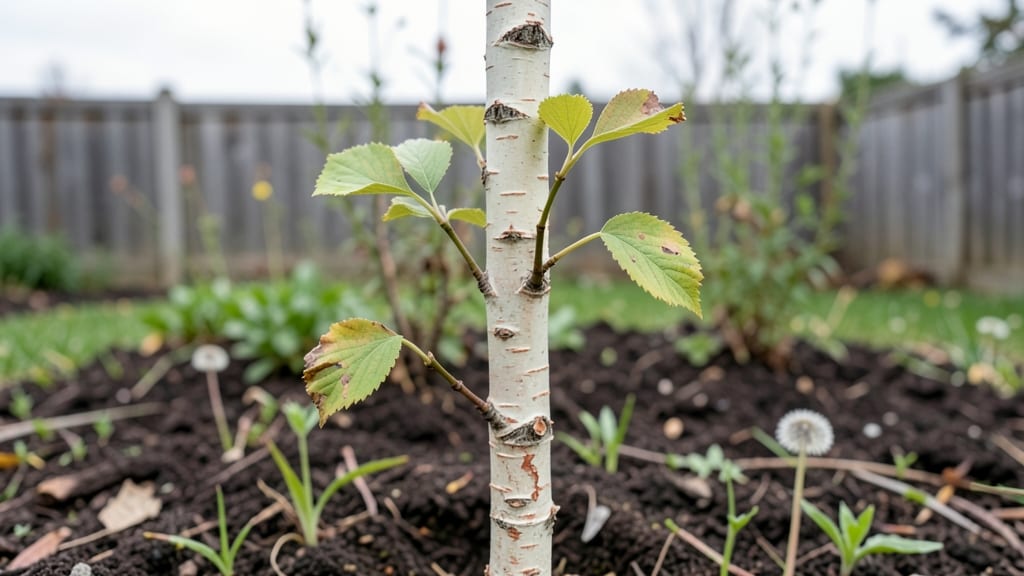
Growing a river birch seedling from scratch means you’ll soon have a graceful tree with peeling bark that looks like it belongs in a forest.
I’ve watched mine go from a fragile sapling to a sturdy shade provider in just three years—it’s a slow but satisfying process that rewards patience with beauty.
The key to success starts with the right spot: river birches thrive in moist, well-drained soil and partial shade, though they tolerate full sun once established. You’ll need a hole twice as wide as the root ball, mixed with compost for nutrients.
Watering is critical in the first year—keep the soil consistently moist but not soggy, especially during dry spells.
By summer’s end, you’ll see new growth signaling strong roots taking hold. The real magic happens in winter when its cold-hardy nature shines, standing tall even in frost.
Just watch for transplant shock in the first few weeks, and you’ll be on your way to a tree that lasts for decades.
Perfect for yards with clay soil or areas needing shade, river birches add texture and year-round interest. Whether you’re planting one as a statement piece or lining a driveway, this guide covers everything you need to know for a thriving start.
📚 In This Guide
- What you need
- Instructions
- Tips and common mistakes
- Wrapping up and next steps
What you need
- ● River birch seedling: 1 healthy, 1–3 ft tall (bare-root or potted)
- ● Planting site: Well-draining soil (sandy loam ideal; amend clay with compost)
- ● Full sun to partial shade (6+ hours of sunlight daily)
- ● Space: 15–20 ft apart for mature trees (or 10 ft for dwarf varieties)
- ● Tools: Shovel or trowel (for digging)
- ● Garden gloves (to protect your hands)
- ● Watering can or hose (with adjustable nozzle)
- ● Mulch (2–4 inches of organic mulch like pine straw or shredded bark)
- ○ Fertilizer (optional but helpful): Slow-release granular fertilizer (10-10-10 or balanced formula)
- ● OR compost (for organic enrichment)
- ● Tree stake + ties (if planting in windy areas)
- ● Soil pH tester (river birch prefers slightly acidic to neutral soil, pH 5.0–7.0)
- ● Post-planting root stimulator (for faster establishment)
- ● Drip irrigation system (for consistent moisture in dry climates)
- ● Pruning shears (for shaping young branches later)
Step-by-Step instructions for growing a river birch seedling
Here’s how to cultivate a sturdy, shade-providing river birch from seedling to mature tree.
Prepare the Planting Site
River birch thrives in moist, well-draining soil with partial to full sun exposure. Choose a location with at least 6 hours of sunlight daily—though it tolerates some shade, too much will slow growth. Before planting, loosen the soil to a depth of 12 inches using a shovel or tiller. This helps roots spread easily and prevents compaction.
If your soil drains poorly, mix in 2-3 inches of organic matter like compost or peat moss to improve aeration. River birch loves moisture but hates soggy roots, so avoid low-lying areas where water pools. Test the soil by digging a small hole—if water sits for more than an hour, amend the site further.
Plant the Seedling at the Right Depth
Dig a hole twice as wide as the seedling’s root ball but no deeper. Gently remove the seedling from its container and place it in the hole so the top of the root ball sits 1 inch above ground level. This prevents stem rot from excess moisture. Fill the hole with soil, pressing lightly to remove air pockets but avoiding compaction.
Water deeply right after planting to settle the soil and eliminate air gaps around the roots. You’ll know it’s done correctly when water drains evenly without pooling. Mulch the base with 2-3 inches of wood chips or shredded bark, keeping the mulch 6 inches away from the trunk to prevent rot.
Water Consistently During Establishment
Keep the soil evenly moist for the first 6-12 months—river birch seedlings need steady hydration to develop strong roots. Water 1-2 times per week, depending on rainfall, until the top 6 inches of soil feel damp. Overwatering is just as harmful as underwatering, so check moisture levels with your finger before adding more.
Reduce watering gradually as the tree matures, aiming for deep waterings every 2-3 weeks once established. Young birch trees show stress through yellowing leaves or wilting—adjust your watering schedule if you notice these signs. A mature river birch’s peeling bark and lacy foliage are worth the patience!
Prune and Protect for Healthy Growth
Prune in late winter or early spring before new growth begins. Remove any dead, diseased, or crossing branches using clean, sharp pruners. Cut just outside the branch collar where it meets the trunk to encourage proper healing. Avoid heavy pruning—river birch responds best to light, strategic trims.
Protect young seedlings from deer and rabbits with a wire mesh cage or repellent during their first growing season. These pests love tender birch bark and can strip a sapling in minutes. Once the tree reaches 6 feet tall, it’s less vulnerable. Fertilize lightly in early spring with a balanced, slow-release fertilizer to support steady growth.
Monitor for Pests and Diseases
River birch is generally disease-resistant, but watch for bronze birch borer—a beetle that tunnels into bark. Look for D-shaped exit holes or sawdust-like frass at the base of the tree. If spotted, treat with neem oil or insecticidal soap in early summer before larvae mature.
Fungal issues like birch leaf spot may appear as yellow or brown spots on leaves. Improve airflow by thinning dense foliage and remove affected leaves promptly. A healthy river birch should show vibrant green leaves by midsummer and peeling cinnamon bark by maturity—proof you’ve given it the care it needs.
Tips & tricks for perfect river birch seedling growth
A few thoughtful adjustments can make all the difference in growing a thriving river birch seedling that will provide shade for decades.
Site Selection Wisdom: While river birch tolerates partial shade, the ideal planting spot should receive at least 6 hours of sunlight daily to maximize growth. I've learned the hard way that planting too close to mature trees or dense shrubs can stunt your birch's development by competing for sunlight and nutrients. Look for areas where your seedling will have room to spread its canopy—river birch can grow 40-50 feet wide at maturity!
Soil Preparation Strategy: The 12-inch soil loosening in Step 1 is crucial for root development, but don't stop there. I recommend adding a 2-inch layer of coarse sand to improve drainage if your soil tests heavy or clay-like. This creates the perfect balance of moisture retention and aeration that river birch loves. You can test drainage by digging a small hole and filling it with water—if it drains within an hour, your site is ready.
Planting Depth Secret: That 1-inch above-ground positioning in Step 2 isn't just about preventing rot—it also helps establish proper root growth patterns. When planting, make sure the root flare (where roots meet the trunk) is clearly visible above the soil line. If you bury this too deeply, you'll create conditions that encourage stem rot and limit the tree's ability to access water during dry periods.
Watering Schedule Insight: The 6-12 month establishment period mentioned in Step 3 is the most critical time for your seedling. I've found that using a rain gauge or simple tipping bucket can help you track exactly how much water your tree receives from natural sources. This lets you adjust your supplemental watering to maintain that even moisture without overdoing it—especially important during summer months when evaporation rates are highest.
Pro Tips for River Birch Seedling
- A few thoughtful adjustments can make all the difference in growing a thriving river birch seedling that will provide shade for decades.
- Site Selection Wisdom: While river birch tolerates partial shade, the ideal planting spot should receive at least 6 hours of sunlight daily to maximize growth.
- Soil Preparation Strategy: The 12-inch soil loosening in Step 1 is crucial for root development, but don't stop there.
Frequently asked questions
Got questions about growing river birch seedlings? You’re not alone! Here are answers to the most common queries to help you nurture a thriving tree with confidence.
How long does it take for a river birch seedling to mature?
A river birch seedling typically takes 10–15 years to reach full maturity (30–50 feet tall). However, it grows fast—expect 2–3 feet per year in ideal conditions. Patience pays off with its stunning exfoliating bark and lush foliage!
Can river birch seedlings survive harsh winters?
River birches are USDA zones 4–9 hardy and thrive in cold climates. Their deep roots resist frost heave, and mature bark protects against winter burn. Water well before freeze to boost resilience.
What’s the best time to plant a river birch seedling?
Plant in early spring or fall (4–6 weeks before frost) for optimal root establishment. Avoid summer heat, which can stress young seedlings. Fall planting is ideal—cool temps encourage root growth before dormancy.
Are there alternatives if my river birch seedling isn’t thriving?
If your seedling struggles, consider container-grown saplings (faster establishment) or other cold-hardy trees like paper birch or serviceberry. Poor drainage? Amend soil with compost or plant on a slight mound.
Why are my river birch leaves turning yellow?
Yellow leaves often signal overwatering or nutrient deficiency. Check soil moisture—birches prefer well-drained soil. Apply a balanced fertilizer in spring if growth is slow. Yellowing edges? It could be drought stress—water deeply weekly.
Wrapping up and next steps
Growing a river birch seedling is a rewarding way to add beauty and resilience to your landscape—its peeling bark and lush foliage create a stunning focal point year-round! 🌳 With the right soil, sunlight, and care, your seedling will thrive even in colder climates.
Whether you're a beginner or a seasoned gardener, the key is patience and consistency.
Ready to take the next step? Plant your seedling this season and watch it grow into a majestic tree. Need more help? Explore local nurseries for expert advice or join gardening communities to share your progress!