Propagation
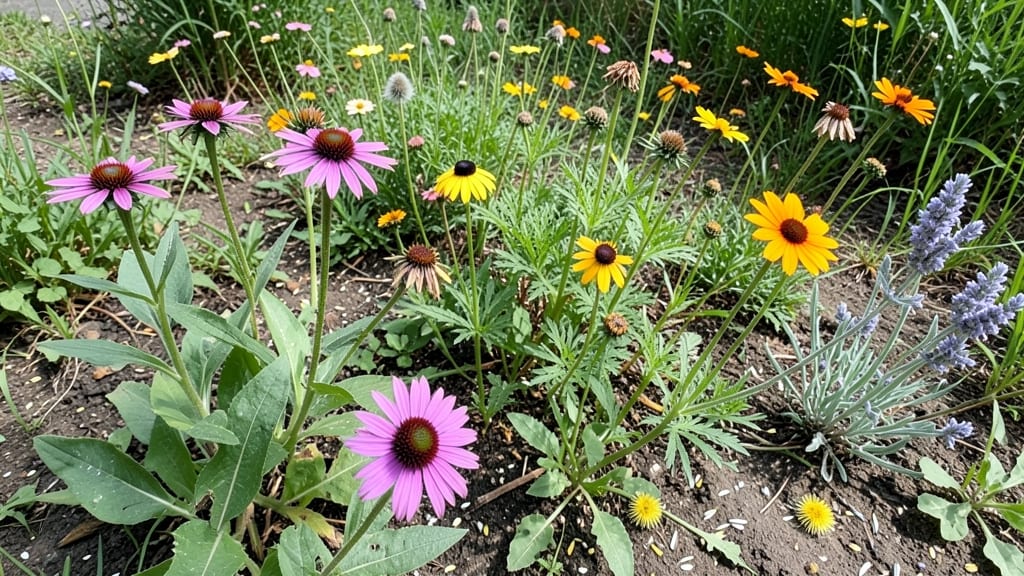
Mixing wildflower seeds transforms your yard into a buzzing pollinator paradise with less effort than you'd expect. ✨ I've planted these mixes in everything from sunny backyards to rocky slopes, and the results—vibrant blooms from spring to frost—always surprise me.
The key isn't fancy tools or perfect timing, but understanding how these seeds need sunlight, soil, and water to thrive.
You'll need just three things: a seed mix tailored to your region, a spot that gets at least six hours of sun, and a simple scattering technique. No tilling, no fuss—just toss the seeds in early spring or fall, let nature do the rest.
Even my black thumb can't kill these, and the first year's growth will have bees, butterflies, and hummingbirds visiting by midsummer.
What starts as a handful of tiny seeds becomes a meadow of color and life. You'll watch clover, coneflowers, and black-eyed Susans emerge in waves, their fragrance filling the air as they attract pollinators all season.
The best part? Once established, these plants need almost no maintenance—just occasional watering and an occasional trim to keep things tidy.
Works in containers, along fences, or across entire fields—adjust the seed mix for your climate and watch your space come alive. Here's how to get started without the overwhelm.
📚 In This Guide
- What you need
- Instructions
- Tips and common mistakes
- Wrapping up and next steps
What you need
- ● Wildflower seed mix: Choose a pre-mixed blend (e.g., 50% native annuals, 30% perennials, 20% biennials) or a species-specific mix (e.g., milkweed, coneflower, black-eyed Susan). Quantity: 1–5 lbs, depending on area size (1 lb covers ~1,000 sq. ft.).
- ● Garden soil: Well-draining, loamy soil (amend with compost if clay-heavy). pH: 6.0–7.5 (most wildflowers thrive in neutral soil).
- ● Water: Hose with adjustable nozzle or watering can (for precision).
- ● Garden rake: 8–12" with fine tines (to loosen soil and level seedbed).
- ○ Handheld or broadcast spreader: For even seed distribution (optional but highly recommended for large areas).
- ● Garden gloves: Heavy-duty (to protect hands from prickly stems or thistles).
- ● Twine or stakes: For marking rows (if direct-sowing in rows).
- ● Seed starter tray: For indoor sowing (if starting early or in cold climates).
- ● Mulch or straw: Light layer (¼") to retain moisture (skip if sowing in fall/winter).
- ● Pollinator-friendly fertilizer: Low-nitrogen, phosphorus-rich (e.g., 5-10-10) for established plants.
- ● Wildflower seed tape: Pre-spaced seeds on biodegradable tape (great for precision!).
Step-by-step instructions for mixing wildflower seeds
Here's the simple method I use to create a thriving pollinator garden that blooms all year.
🌱 Step 1: Select and Combine Your Seed Mix
Choose a pre-mixed wildflower blend designed for your climate zone—this ensures you'll get a variety of blooms that thrive together. I like to include seeds that flower at different times, like early spring black-eyed Susans alongside summer coneflowers and fall goldenrod. Spread the seeds evenly across a clean, flat surface, like a large sheet of newspaper or a baking sheet.
Gently mix the seeds by hand, ensuring no single type dominates. I use this moment to check for any debris or empty seed packets—toss those out before planting. The goal is a balanced mix where no one flower type takes over. If you're using multiple seed packets, measure equal portions by volume rather than weight to avoid planting too many of one variety.
💧 Step 2: Prepare the Soil for Planting
Choose a sunny location that receives at least 6 hours of direct sunlight daily—wildflowers thrive where other plants often struggle. Loosen the top 4-6 inches of soil with a garden fork or tiller, breaking up any compacted layers. This helps roots penetrate easily later. If your soil is heavy clay, mix in 2-3 inches of compost to improve drainage and fertility.
Rake the area smooth, removing any rocks or weeds. The surface should be level, but not packed down—you want it loose enough for seeds to make contact with the soil. Lightly water the area until the top inch feels damp but not soggy. This prepares the bed for planting and ensures seeds won't dry out immediately after sowing.
✂️ Step 3: Sow and Maintain for Year-Round Blooms
Scatter the mixed seeds evenly over the prepared soil, aiming for about 10-15 seeds per square foot. Lightly press them into the soil with your hand or a rake—just enough to ensure good soil contact, but don't bury them more than ¼ inch deep. Most wildflower seeds need light to germinate, so keep them on or near the surface.
Water gently but thoroughly after planting to settle the seeds into the soil. Use a fine mist setting on your hose or watering can to avoid dislodging them. Once seeds are in the ground, maintain consistent moisture for the first 4-6 weeks, keeping the soil evenly damp. After that, wildflowers are remarkably drought-tolerant—water only when the top inch of soil feels dry.
Watch for the first sprouts in 7-21 days, depending on the mix and weather. Thin seedlings to 6 inches apart once they reach 2-3 inches tall, giving each plant room to grow. This step prevents overcrowding and ensures stronger, healthier plants that will attract more pollinators.
Tips & tricks for perfect wildflower seed mixing
A few simple tricks will help you create the perfect pollinator-friendly garden that thrives all year round.
Climate Zone Matters: Always choose seeds specifically labeled for your climate zone—this ensures your wildflowers will grow strong and healthy. For example, if you're in a hot, dry region, look for drought-tolerant varieties like black-eyed Susans or coneflowers. In cooler climates, consider adding goldenrod or aster for fall color. I've learned this the hard way after planting seeds that weren't suited to my area!
Mixing Technique: When combining your seeds in Step 1, use a clean, flat surface like a baking sheet or large piece of newspaper. Spread them out evenly to check for any empty packets or debris—this is your chance to catch any mistakes before planting. I like to use a small whisk or clean spoon to gently stir the seeds, ensuring no single type dominates. This balanced approach creates a beautiful, diverse garden that blooms throughout the season.
Soil Preparation Secret: In Step 2, pay special attention to soil depth when loosening—aim for 4-6 inches to help roots establish properly. If your soil is particularly heavy clay, mix in 2-3 inches of compost to improve drainage. This step makes all the difference in preventing waterlogged roots that can stunt growth. I've seen gardens flourish where others struggled because of proper soil prep.
Thinning Strategy: When thinning seedlings in Step 3, wait until they reach 2-3 inches tall and space them 6 inches apart. This gives each plant room to grow strong and prevents overcrowding. I use small scissors to snip unwanted seedlings at the base—it's cleaner than pulling and less likely to disturb nearby plants.
Pro Tips for Mix Wildflower Seeds
- A few simple tricks will help you create the perfect pollinator-friendly garden that thrives all year round.
- Climate Zone Matters: Always choose seeds specifically labeled for your climate zone—this ensures your wildflowers will grow strong and healthy.
- Mixing Technique: When combining your seeds in Step 1, use a clean, flat surface like a baking sheet or large piece of newspaper.
Frequently asked questions
Got questions about creating your own wildflower paradise?
Here are some of the most common ones—plus quick, practical answers to help you get started with confidence!
When is the best time to plant wildflower seeds?
For most regions, early spring (just before the last frost) or late summer/early fall (6-8 weeks before the first frost) are ideal. Fall planting gives seeds time to establish roots before winter, while spring planting aligns with natural blooming cycles. Check your seed packet for specific timing—some varieties thrive in cooler seasons!
How often should I water my wildflower seeds after planting?
Keep the soil consistently moist (not soggy!) for the first 2-3 weeks, watering lightly once or twice daily if the top inch of soil feels dry. After germination, reduce watering to 2-3 times per week (or when rainfall is light). Once established, wildflowers are drought-tolerant—overwatering can harm them!
Will wildflower seeds attract bees and butterflies immediately?
Not right away! Most wildflowers take 6-12 weeks to bloom, depending on the mix. Start with native species (like milkweed or coneflowers) for the fastest pollinator action. Once blooming begins, you’ll see bees, butterflies, and hummingbirds flocking in—it’s magical! Patience pays off for a buzzing, fluttering garden.
Can I mix wildflower seeds with grass seed?
Yes, but with caution! Use a low-coverage wildflower mix (like 10-20% wildflowers to 80-90% grass) to avoid competition. Choose tough, grass-friendly wildflowers (e.g., clover, self-heal) that tolerate mowing. For full sun, skip the grass—wildflowers thrive in open spaces and create a low-maintenance, pollinator-friendly alternative.
What do I do if weeds take over my wildflower patch?
Weeds are a sign your soil is fertile—great for wildflowers too! Hand-pull weeds early (before they seed) or use a mulch layer (straw or leaves) to suppress them. Avoid herbicides, as they’ll kill your wildflowers. Let wildflowers compete naturally—once established, they’ll outgrow weeds with their deep roots and rapid growth.
Are there wildflower seed mixes that bloom year-round?
No single mix blooms all year, but you can layer species for seasonal color! Plant spring bloomers (like phlox), summer stars (coneflowers, black-eyed Susans), and fall/winter interest (goldenrod, asters). Add perennials (like bee balm) for multi-year blooms. Check local nurseries for extended-season mixes tailored to your climate.
Wrapping up and next steps
Transforming your space into a buzzing, blooming paradise with a wildflower seed mix is easier—and more rewarding—than you think! 🌸 From preparing the soil to nurturing your garden, every step brings you closer to a vibrant, pollinator-friendly oasis.
Now that you’re armed with the know-how, there’s no time like the present to grab your seeds and get planting—your local bees, butterflies, and future self will thank you!
Ready to take the next step? Start small—even a tiny patch of wildflowers makes a difference! Share your progress with fellow gardeners or dive deeper into native plant varieties for an even more impactful garden. Happy growing! 🌱