Pests
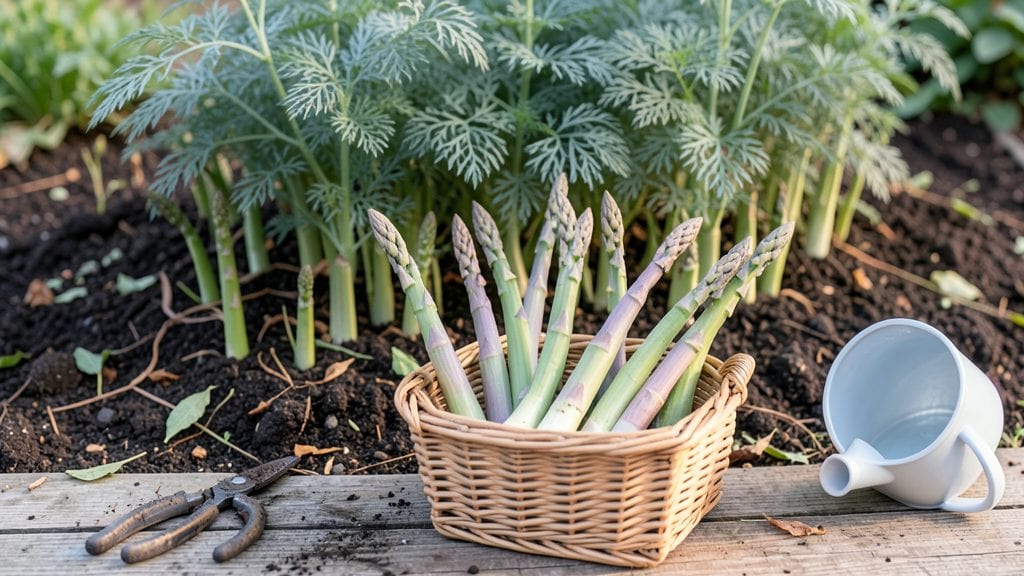
If you skip the asparagus seeding out step, your patch will end up with weak, crowded spears—just like my first year when I ignored thinning and ended up with a bed of spindly, underperforming plants. 🌱 Now I know better.
The secret to bushier harvests lies in giving each plant enough space to thrive from the start, and it all begins with proper seeding out.
Start by preparing your soil with plenty of compost to give young plants the nutrients they need. Once seedlings reach about 6 inches tall, gently pull out the weakest ones, leaving only the healthiest 6-8 inches apart.
This spacing prevents overcrowding and encourages thicker spears. The key is to do this early—before roots get too established—so plants don’t shock easily when you thin them.
After thinning, water deeply to help roots recover, and mulch around the remaining plants to retain moisture. Within weeks, you’ll see stronger growth, and by next year, your asparagus patch will reward you with thick, tender spears.
The difference between a crowded mess and a productive bed comes down to this simple step—one that turns weak plants into harvest-worthy giants.
This method works in most climates, though cooler regions may need an extra layer of mulch for winter protection. Whether you’re starting from seed or transplanting, proper spacing now means fewer headaches later. Let’s get those asparagus plants growing like they should!
Root Causes Of Unwanted Spread
When your asparagus beds start producing more shoots than you can manage, it’s often a sign of natural seeding out—a process where the plant intentionally spreads to ensure survival.
While this can lead to a lush, wild-looking patch, understanding the why behind it helps you control it effectively. Here’s a breakdown of the key triggers:
Asparagus crowns thrive when given space, but when planted too closely, they compete aggressively for nutrients, water, and sunlight. This stress triggers the plant to produce seed stalks as a survival mechanism. The plant essentially "gambles" on spreading its genes rather than investing energy in crown growth.
- Why it happens: Crowded roots signal to the plant that the current environment is unsustainable, prompting it to reproduce via seeds.
- Actionable fix: Thin seedlings to 6–12 inches apart (depending on variety) during the first growing season. Mature crowns should have 18–24 inches of space between rows.
- Pro tip:💡 If you’re starting from seed, do not thin too late—once seed stalks form, the plant has already decided to spread.
Asparagus prefers partial shade, especially in hot climates. When exposed to intense sunlight or prolonged heat waves, the plant’s metabolism shifts toward seed production as a way to cool down and adapt. Seed stalks act like natural "cooling towers," dissipating excess energy.
- Why it happens: High temperatures (85°F+) and full sun trigger ethylene production, a plant hormone that accelerates flowering and seeding.
- Actionable fix:
- Provide 4–6 hours of morning sun and afternoon shade (use shade cloth or nearby trees).
- Mulch heavily with straw or wood chips to keep roots cool.
- Avoid planting in south-facing beds unless your region has mild summers.
- Pro tip:🌡️ If your area has hot, dry summers, consider growing asparagus near taller crops (like corn or sunflowers) to naturally shade the crowns.
Asparagus is drought-tolerant once established, but inconsistent watering—whether too much or too little—can send the plant into survival mode. Both waterlogging and drought stress disrupt root growth, prompting the plant to focus on seed production instead.
| Issue | Why It Triggers Seeding | Solution |
|---|---|---|
| Overwatering | Soggy soil suffocates roots, reducing oxygen and nutrient uptake. The plant perceives this as a "hostile" environment. | Improve drainage with raised beds or sand amendments. Water deeply but infrequently (1–1.5 inches per week). |
| Underwatering | Drought stress forces the plant to conserve water, redirecting energy to seed stalks for future generations. | Use drip irrigation to deliver water directly to roots. Mulch to retain moisture. |
Pro tip:✨ Never let asparagus beds dry out completely—even established plants need consistent moisture during the first 2–3 years.
Asparagus is a heavy feeder that demands well-draining, fertile soil. When grown in nutrient-poor, compacted, or acidic soil, the plant struggles to thrive, leading to compensatory seeding. Additionally, low phosphorus (a key nutrient for root development) can trigger early flowering.
- Why it happens:
- Compacted soil restricts root growth, signaling stress.
- High nitrogen (N) without phosphorus (P) or potassium (K) skews growth toward top-heavy seed stalks.
- Soil pH below 6.0 or above 7.5 limits nutrient absorption.
- Actionable fix:
- Test soil and amend with compost, bone meal (for P), and wood ash (to raise pH).
- Avoid fresh manure—it can burn roots and disrupt microbial balance.
- Plant in sandy loam with a pH of 6.5–7.0.
- Pro tip:🎯 Side-dress with compost in early spring to boost root health before seeding season.
By addressing these root causes, you can reduce unwanted seeding while still enjoying a productive asparagus patch. The key is balance—give your plants the right conditions, and they’ll focus on spears, not seeds!
Stop the Spread Now
Unwanted asparagus seedlings popping up everywhere? Don’t let them take over your garden—here’s how to control and prevent them naturally, so you can focus on a lush, productive harvest.
If your asparagus crowns are too close together, they’ll compete for nutrients and space, leading to weak stalks and more seedlings. Fix it fast:
- 🔪 Snip or Pull Early – Once seedlings reach 2–3 inches tall, cut or tug them out by hand. The smaller they are, the easier they are to remove. - 🌿 Leave the Best – Keep only the healthiest, strongest stalks (3–5 per crown for bush varieties).
Thin in rows, not clusters, to improve airflow. - 🕰️ Time It Right – Do this in early spring (before new growth) or late summer (after harvest). Avoid thinning during peak growth—it stresses the plants.
💡 Pro Tip: Mark thinned areas with stakes or mulch to avoid accidentally replanting later.
If your asparagus bed has too many crowns (from old plants or accidental spread), it’s time to split and relocate some.
- 👨🍳 Dig Carefully – In early spring or fall, dig up healthy, established crowns (3–4 years old).
Shake off excess soil to expose roots. - 🪓 Split the Clumps – Use a sharp knife to divide the crown into 2–3 smaller sections, ensuring each has healthy roots and buds. - 🌱 Replant or Compost – Move the best sections to a new spot (at least 12–18 inches apart).
Compost the rest—never throw away asparagus crowns!
⚠️ Warning: If replanting, sterilize tools with rubbing alcohol to prevent disease spread.
Asparagus self-seeds aggressively—if it’s creeping into lawns or paths, containment is key.
- 🛡️ Barrier Method – Install landscape fabric or cardboard around the bed, buried 6 inches deep to block rhizomes from spreading.
- 🔥 Solarize or Smother – For stubborn seedlings in driveways or sidewalks, cover the area with clear plastic for 4–6 weeks in summer to kill them with heat.
- 🌿 Mulch Heavily – Apply 3–4 inches of mulch (straw or wood chips) around the bed to suppress new shoots before they emerge.
🌡️ Heat Hack: A black plastic tarp left for a week in hot sun can instantly kill unwanted seedlings without chemicals.
Stop the cycle before it starts with these long-term fixes:
| Problem | Solution | When to Do It |
|---|---|---|
| Too many crowns | Divide & relocate every 3–4 years | Early spring or fall |
| Weedy seedlings | Hand-pull or mulch monthly | Spring & summer |
| Spread to lawns | Install rhizome barriers | Before planting season |
| Poor airflow | Thin rows to 12–18" spacing | Early spring or late summer |
✨ Bonus Tip: Plant fast-growing cover crops (like clover) between rows to outcompete weeds naturally.
By acting now, you’ll save time, space, and energy—so your asparagus patch stays productive, not invasive! 🚀
Frequently asked questions
What’s the best time of year to thin asparagus seedlings?
Thin seedlings in early spring (before new growth) or late summer (after harvest). Avoid thinning during peak growth—it stresses plants. The goal is to remove weak shoots when they’re small (2–3 inches) to minimize root disturbance.
How close can I plant asparagus crowns without causing overcrowding?
Start with 6–12 inches apart for young plants, then space mature crowns 18–24 inches apart in rows. Crowding triggers seed stalks, so give them room to spread naturally. Proper spacing improves airflow and reduces disease risk.
Will mulching help prevent asparagus from spreading?
Yes! Apply 3–4 inches of mulch (straw or wood chips) around beds to suppress new shoots. Mulch also retains moisture and keeps roots cool, reducing stress that leads to seeding. For stubborn spread, add a 6-inch-deep barrier of landscape fabric.
Can I transplant asparagus seedlings from one bed to another?
Dig up healthy crowns in early spring or fall, split clumps with a sharp knife, and replant sections 12–18 inches apart. Sterilize tools to prevent disease, and water deeply after transplanting. Avoid moving plants during hot weather—they’re sensitive to root shock.
Why do my asparagus plants keep producing seed stalks even after thinning?
Seed stalks often appear due to stress factors like poor soil, inconsistent watering, or too much sun. Test soil pH (6.5–7.0 ideal) and amend with compost. Water deeply but infrequently (1–1.5 inches/week) and provide afternoon shade in hot climates. These fixes redirect energy to spears, not seeds.