Pruning
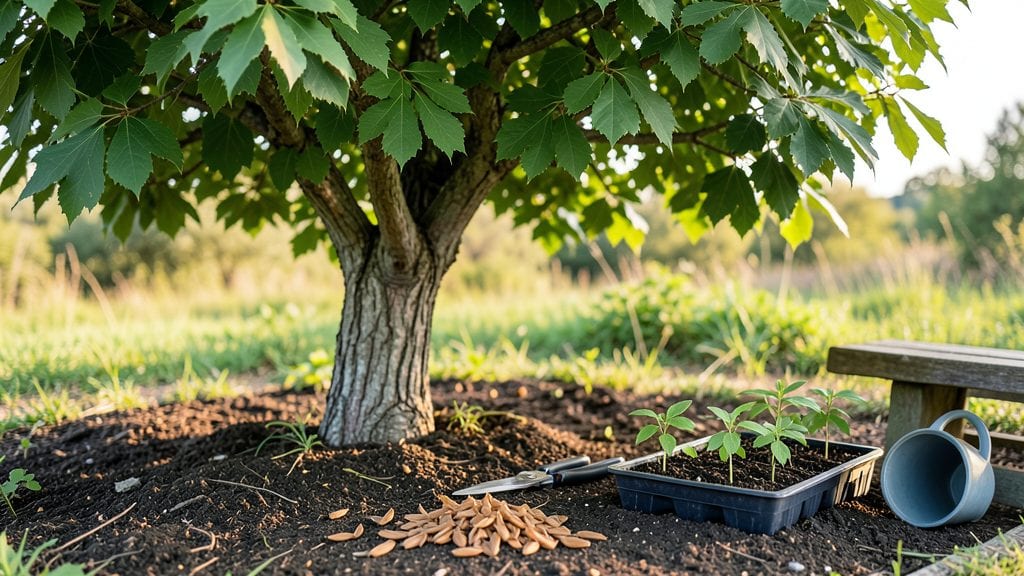
Boxelder tree seeds sprout faster when you crack their dormancy with these simple tricks. 🌱 I’ve grown dozens from seed, and the difference between a 3-week wait and a 6-week wait comes down to timing and technique—no fancy equipment needed.
The key is collecting seeds at the right moment and breaking their stubborn shell before planting.
You’ll need fresh seeds (green when ripe, turning brown in fall), a damp paper towel, and a plastic bag to mimic winter’s chilling effect. Most gardeners overlook this step, but it cuts germination time by nearly half.
Once seeds sprout, they’re surprisingly eager to grow—just give them bright light and well-draining soil, and they’ll shoot up in weeks.
By the time you’re pinching off the first true leaves, you’ll have a head start on nursery saplings. These fast-growing trees reach 10 feet in just a few years, making them perfect for quick shade or wildlife-friendly landscapes.
The real magic happens when you see those first bright green leaves unfurl—proof the seeds worked.
Works best when planted in early spring, but you can start seeds indoors in late winter for an even earlier jump. Just watch for mold in damp conditions, and you’ll have reliable, vigorous seedlings ready for transplanting. Here’s how to make it foolproof every time.
📚 In This Guide
- What you need
- Instructions
- Tips and common mistakes
- Wrapping up and next steps
What you need
- ● Boxelder tree seeds: 10–20 fresh, plump seeds (harvested in late summer/fall for best results). Pro tip: 💡 Store seeds in a cool, dry place if not planting immediately.
- ○ Seed trays or small pots: 4–6 (3–4" deep) with drainage holes. Optional: Biodegradable peat pots for easy transplanting.
- ● Well-draining potting mix: 1–2 bags (look for a blend labeled for seedlings or trees). Spec: Avoid heavy clay soil.
- ● Spray bottle: 1 (for gentle watering). Alternative: A fine-mist watering can.
- ● Plastic wrap or humidity dome: 1 (to retain moisture during germination).
- ● Grow lights or sunny windowsill: Access to 6–8 hours of indirect light daily.
- ○ Thermometer (optional): 1 (to monitor soil temp: ideal range is 60–75°F for germination).
- ○ Fertilizer (optional): A balanced, water-soluble fertilizer (5-10-5 ratio) for post-germination care.
- ● A dedicated space (indoor or greenhouse) with consistent warmth.
- ● Patience! Boxelder seeds can take 2–4 weeks to germinate.
- ● Basic knowledge of seedling care (or willingness to learn!).
Instructions for fast boxelder tree seed germination
Here's how to break through the tough outer shell and get strong, healthy seedlings in record time.
🌱 Step 1: Harvest and Prepare the Seeds
Collect boxelder seeds in late fall when they've fully ripened and turned brown. The key to fast germination is breaking their hard outer shell—nature's way of delaying sprouting until conditions are perfect. Place the seeds in a bowl of lukewarm water for 24 hours to soften the outer coating. You'll notice tiny cracks forming along the edges after 12-18 hours—this is your signal the process is working.
After soaking, gently rub the seeds between your fingers or use a small file to scratch the surface lightly. This creates tiny openings for water to penetrate. Don't overdo it—just enough to break the shell without damaging the seed inside. I like to do this on a paper towel to catch any debris that comes off during the process.
💧 Step 2: Create the Ideal Germination Environment
Fill a shallow container with a mix of 50% peat moss and 50% perlite—this lightweight blend prevents rot while holding enough moisture. Spread the prepared seeds about ½ inch apart on the surface, then cover them with a thin layer of the same mix. The goal is to keep them barely covered so they don't dry out.
Place the container in a warm, dark spot (around 70-75°F) like on top of your refrigerator or near a sunny window with indirect light. Germination typically begins in 7-14 days, but you'll see the first sprouts emerge faster if you maintain consistent moisture. Check daily and mist lightly with water if the surface feels dry to the touch—never let it stay soggy.
☀️ Step 3: Provide Light and Monitor Growth
Once the first true leaves appear (not the initial seed leaves), move the seedlings to a bright location with indirect sunlight. Boxelder trees need light to grow strong, but direct sun can scorch young leaves. You'll notice the seedlings grow faster when placed near a south-facing window where they get 4-6 hours of filtered light daily.
After 3-4 weeks, when seedlings reach about 2-3 inches tall, transplant them into individual 4-inch pots filled with regular potting mix. Handle them gently but firmly to encourage root development. This is also when you'll see the characteristic boxelder leaf shape emerge—three to seven leaflets arranged alternately along the stem.
✂️ Step 4: Harden Off and Prepare for Outdoors
About 2 weeks before your last frost date, begin hardening off the seedlings by placing them outside in a sheltered spot for 1-2 hours daily. Gradually increase their outdoor time over 7-10 days, watching for signs of stress like wilting or yellowing leaves. A good rule of thumb is to increase exposure by 1 hour per day until they can handle full sun.
When the soil is workable and nighttime temperatures stay above 50°F, it's time to plant outdoors. Choose a location with full sun exposure and well-draining soil. The seedlings will establish quickly if planted at the same depth they were growing in pots. Water deeply after planting to help settle the soil around the roots—you'll know it's right when the soil surface looks slightly firm but not compacted.
Tips & tricks for fast boxelder tree seed germination
Here's what I learned after struggling with slow germination—these tricks will help you skip the waiting game and get those sprouts popping in record time.
The Soaking Secret: The 24-hour soak is your best friend for breaking those tough shells. I've found that using lukewarm water (around 75°F) speeds up the process—cold water slows it down. After 12-18 hours, you'll see those telltale cracks forming. If you don't see cracks by then, give the seeds a gentle massage with your fingers to encourage more openings. Just be careful not to damage the seed inside!
Shell Prep Technique: When scratching the shells after soaking, I recommend using a small nail file or even the edge of a spoon for more precise control. The goal is to create tiny openings—think of them like little doors for water to enter. I always do this step on a paper towel to catch any debris, which keeps my workspace clean and prevents contamination.
Temperature Matters: Maintaining that 70-75°F range during germination is crucial. If your home runs cooler, place the container on top of your refrigerator or near a warm spot like a sunny window with indirect light. I've seen germination times cut in half when keeping seeds in this ideal range. A simple thermometer can help you monitor the temperature if you're unsure.
Light Transition Strategy: When moving seedlings to light after the first true leaves appear, I suggest a gradual approach. Start with 2-3 hours of indirect light daily and slowly increase to 4-6 hours**. This prevents shock to the delicate seedlings. I've found that placing them near an east-facing window first gives them gentle morning light to adapt to before moving them to brighter spots.
Pro Tips for Boxelder Tree Seeds
- Here's what I learned after struggling with slow germination—these tricks will help you skip the waiting game and get...
- The Soaking Secret: The 24-hour soak is your best friend for breaking those tough shells. I've found that using lukew...
- Shell Prep Technique: When scratching the shells after soaking, I recommend using a small nail file or even the edge ...
Frequently asked questions
Got questions about boxelder tree seeds?
You’re not alone! Here are answers to the most common concerns—from timing to troubleshooting—so you can grow confidently.
When is the best time to plant boxelder tree seeds?
Plant boxelder seeds as soon as they ripen in late summer or early fall (August–September). If you must store them, refrigerate in damp sand for 1–2 months to break dormancy. Spring planting is possible but less reliable due to slower germination.
How long does it take for boxelder seeds to germinate?
Germination can take 2–6 weeks under ideal conditions (moisture, warmth, and shade). Cold stratification (chilling) speeds this up. If seeds don’t sprout in 8 weeks, they may need freshness—test viability by cutting open a seed to check for a firm, white interior.
Can I grow boxelder trees from store-bought seeds?
Store-bought seeds may work, but fresh, locally sourced seeds from ripe samaras (winged seeds) have higher success rates. If buying online, ensure they’re labeled for germination and avoid seeds older than 1 year—viability drops sharply.
Why aren’t my boxelder seeds sprouting?
Common culprits: dry soil, lack of cold stratification, or old seeds. Try soaking seeds overnight before planting, or place them in a damp paper towel in the fridge for 4 weeks. If mold appears, repot in fresh, sterile soil to prevent rot.
Are boxelder seeds invasive? Should I remove them?
Boxelder trees aren’t highly invasive like some species, but they spread aggressively in ideal conditions. If you’re concerned, plant in containers or prune seedlings regularly. Native to North America, they’re not a major ecological threat—but check local regulations if planting near waterways.
Wrapping up and next steps
Mastering the art of germinating boxelder tree seeds can transform your yard into a thriving green space—without the guesswork! With the right techniques, like scarification, proper moisture, and patience, you’ll soon enjoy fast, reliable sprouts. Don’t let hesitation hold you back—grab those seeds and get growing!
Ready to take the next step? Start small:
- Test a few seeds in pots first to refine your method.
- Once confident, transplant outdoors for a full-grown boxelder in no time!