Planting
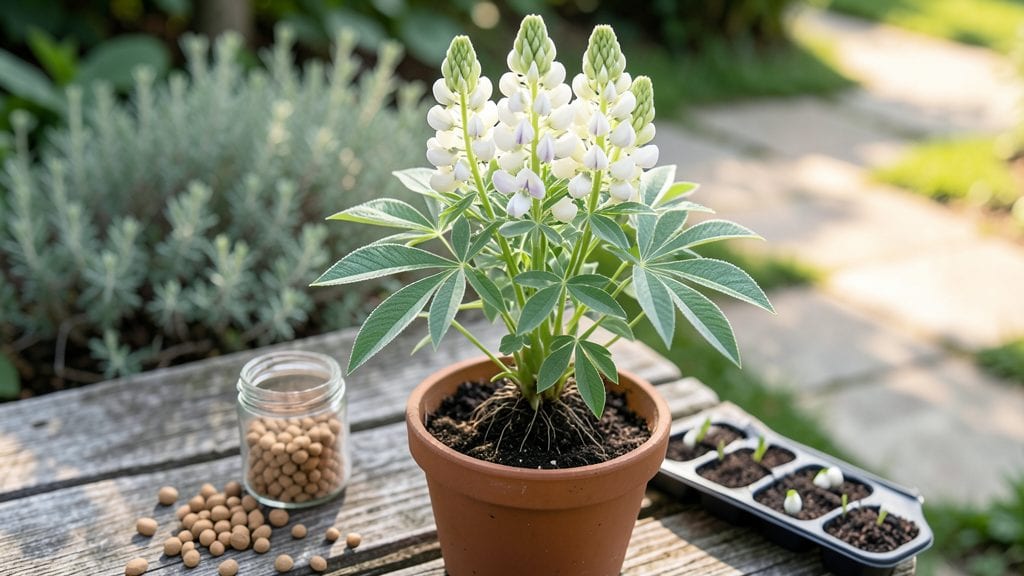
Biological seed coatings improve germination rates and root development by surrounding seeds with live microbes, essential nutrients, and protective polymers that create ideal conditions for early growth. This process strengthens seedlings and speeds up emergence compared to untreated seeds.
These specialized coatings work by introducing beneficial bacteria like Rhizobium or Pseudomonas that form symbiotic relationships with plant roots, unlocking nutrients while suppressing harmful pathogens.
The protective polymers also help maintain moisture levels and shield seeds from physical damage during planting. 🌱 For gardeners dealing with poor soil quality or drought-prone conditions, biological coatings can be a game-changer—often outperforming chemical alternatives without the environmental trade-offs.
What sets this approach apart is its dual functionality: it doesn't just feed the seed, it actively prepares the soil environment for optimal growth. Many commercial brands now offer strain-specific coatings tailored to different crops, making it easier than ever to customize your planting strategy.
The key is matching the microbial blend to your specific growing conditions—whether you're dealing with sandy soils or compacted clay.
💡 In This Article
- How Biological Seed Coatings Work: Microbial and Nutritional Mechanisms
- Selecting and Applying Biological Seed Coatings for Optimal Results
How biological seed coatings work: microbial and nutritional mechanisms
The magic of biological seed coatings lies in their dual-action approach: combining living microorganisms with nutrient-rich polymers to create a protective microenvironment around each seed. At the core, beneficial bacteria like Rhizobium leguminosarum form nitrogen-fixing symbiotic relationships with plant roots, while Pseudomonas fluorescens strains produce antibiotics that suppress soil-borne pathogens.
These microbes don't just hitch a ride—they actively colonize the seedling's root zone within 7-14 days of germination, creating a biological shield that can reduce fungal infections by up to 60% compared to untreated seeds.
The polymer matrix—often made from chitosan (derived from crustacean shells) or sodium alginate (seaweed extract)—serves multiple critical functions. First, it acts as a moisture reservoir, maintaining 85-95% humidity around the seed for up to 2 weeks, which is crucial in dry conditions where untreated seeds might desiccate.
Second, these polymers create a physical barrier that protects delicate seed coats from mechanical damage during planting and from soil toxins like aluminum ions in acidic soils. The texture of these coatings ranges from fine powder to gel-like consistency, depending on the polymer blend used.
What makes symbiotic strains like Bradyrhizobium japonicum (used for soybeans) different from non-symbiotic strains like Bacillus subtilis is their ability to establish permanent relationships with plant roots. Symbiotic strains actually induce root hair curling and nodule formation, creating specialized structures where nitrogen fixation occurs.
This biological nitrogen fertilizer can supply 50-100 kg/ha of nitrogen annually—equivalent to 100-200 lbs per acre—eliminating the need for synthetic fertilizers in many cases. Non-symbiotic strains, while excellent at pathogen suppression, don't form these permanent structures but still boost growth through nutrient solubilization and phytohormone production.
The chemical signaling between coated seeds and soil microbes creates a cascade effect that transforms the rhizosphere (root zone). Coated seeds release specialized compounds called flavonoids that attract beneficial microbes while repelling pathogens. This microbial "calling card" can increase beneficial bacterial populations by 3-5 times in the surrounding soil.
The result? Seedlings emerge with 20-40% more robust root systems and 10-30% faster than uncoated seeds, even in stressed conditions. The visual difference is striking—coated seedlings often show darker green leaves within 10 days, indicating enhanced chlorophyll production from improved nutrient uptake.
One fascinating application is in bio-priming techniques where seeds are pre-treated with microbial coatings 24-48 hours before planting. This allows the microbes to begin colonizing the seed surface before soil contact, creating an immediate competitive advantage.
For example, Pseudomonas putida strains coated on corn seeds have shown 25% higher early-season vigor and 15% greater yield potential in field trials, even when planted in marginal soils with pH 5.5 or below.
The key is selecting strain combinations that complement each other—like pairing phosphorus-solubilizing bacteria with nitrogen-fixers for comprehensive nutrient support.
Understanding these mechanisms helps explain why biological coatings outperform chemical alternatives in organic systems. While chemical coatings might provide temporary moisture retention, they lack the living component that actively improves soil health over time.
The microbial communities established by biological coatings persist in the soil, creating long-term benefits that accumulate with each planting cycle. This ecological approach mirrors natural processes where plants and microbes have co-evolved for millions of years—just accelerated and optimized for modern agriculture. 🌱